Slow loris
Search by topic
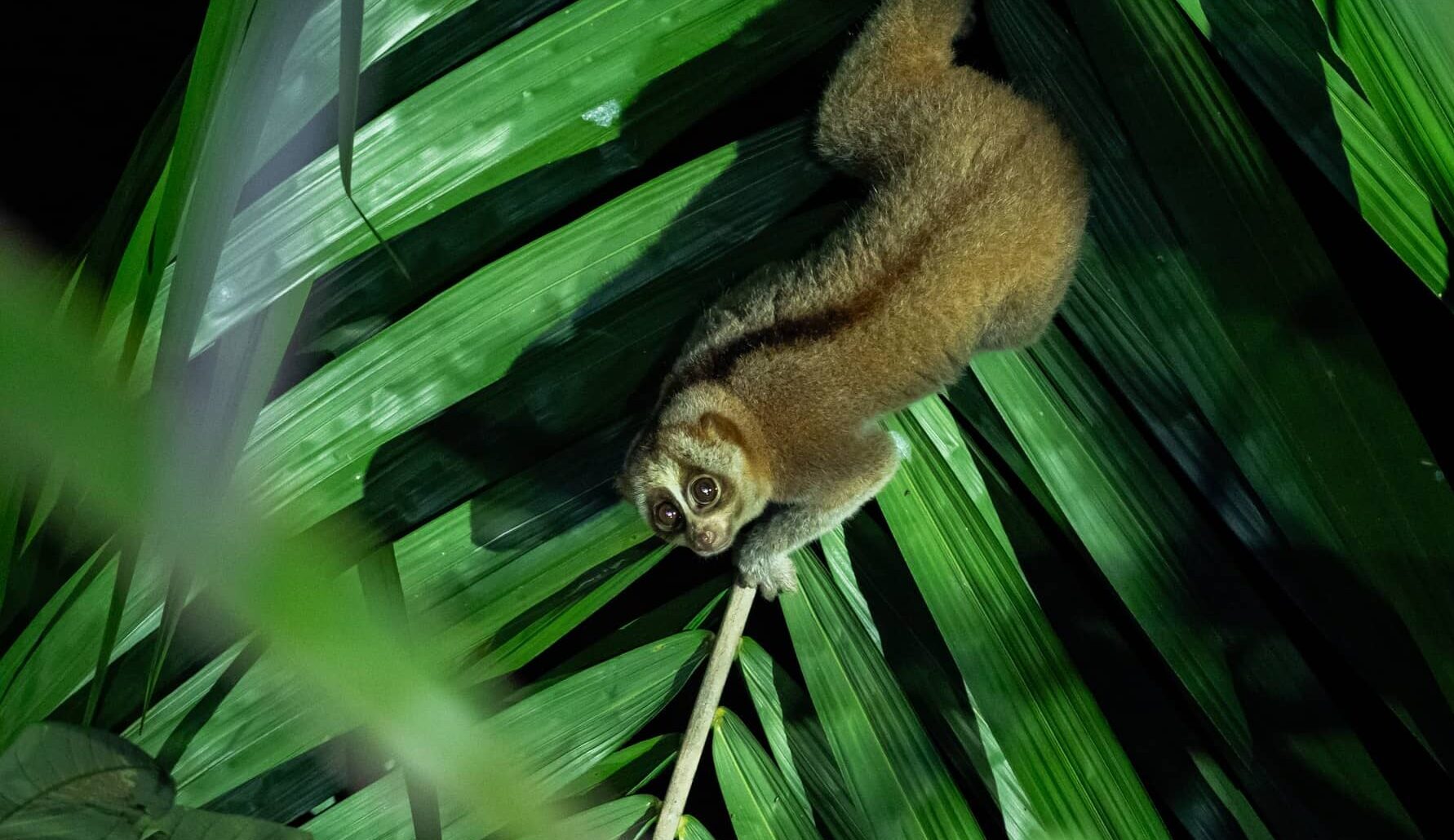
Slow lorises live almost entirely unseen by humans. Active only at night and hidden high in the forest canopy, they are notoriously difficult to study. But researchers are now using …
Read article...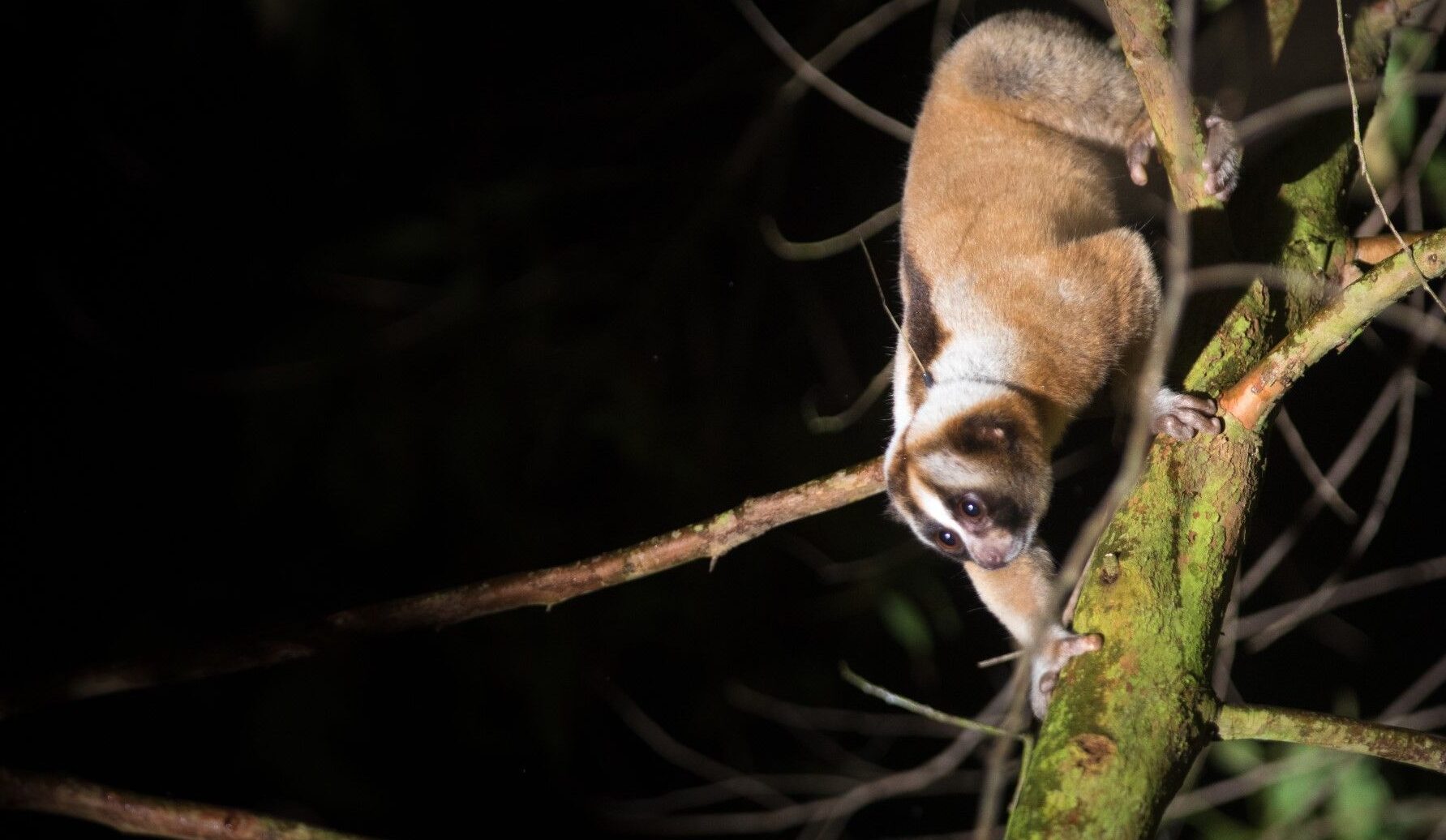
Professor Anna Nekaris, a world-leading primate conservationist, global expert on nocturnal primates, and one of wildlife charity People’s Trust for Endangered Species (PTES)’ five Conservation Partners, has been listed on …
Read article...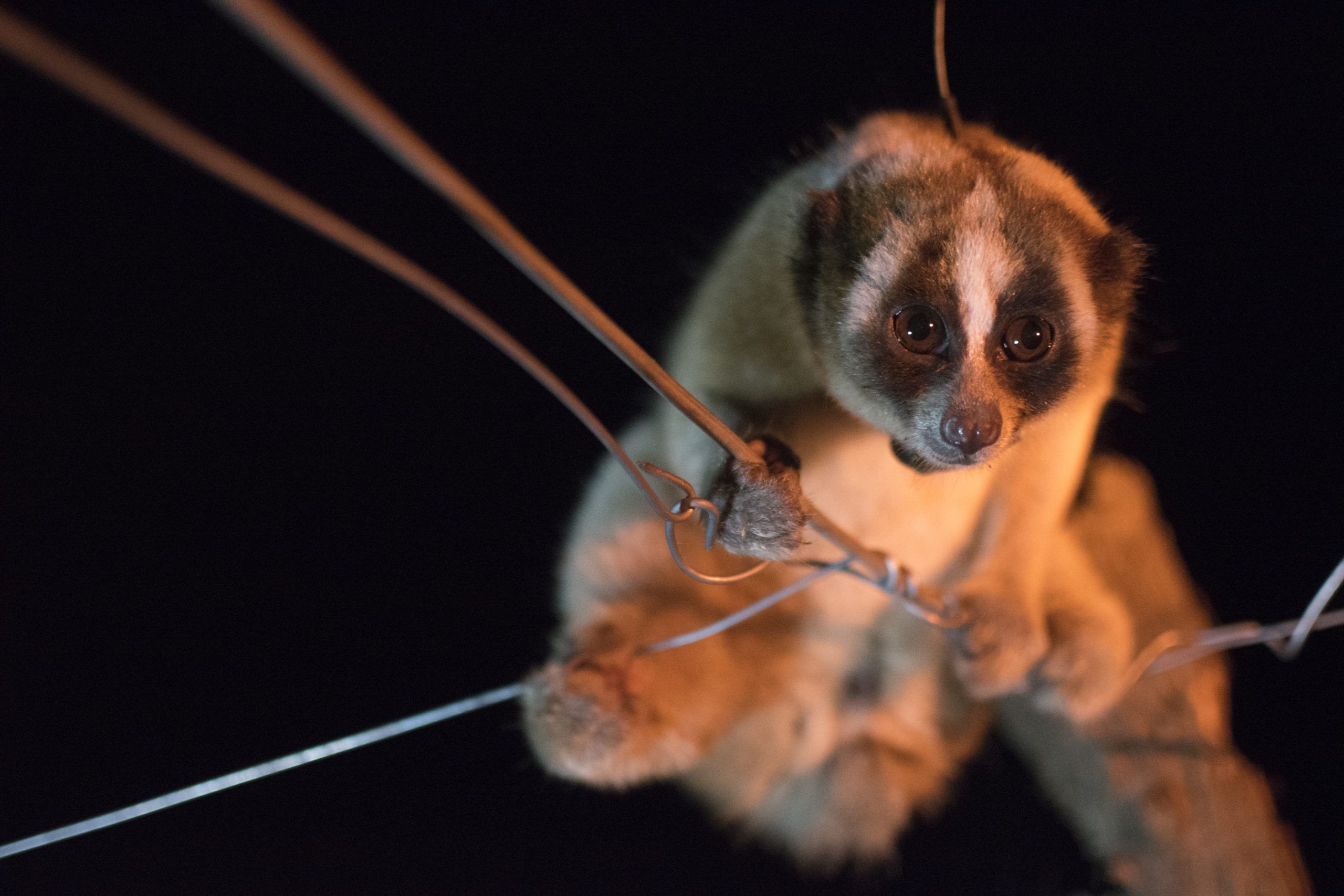
In Western Java our Conservation Partner, Anna Nekaris, has been learning more about slow lorises. Slow lorises are one of the few mammals around the world that have a toxic …
Read article...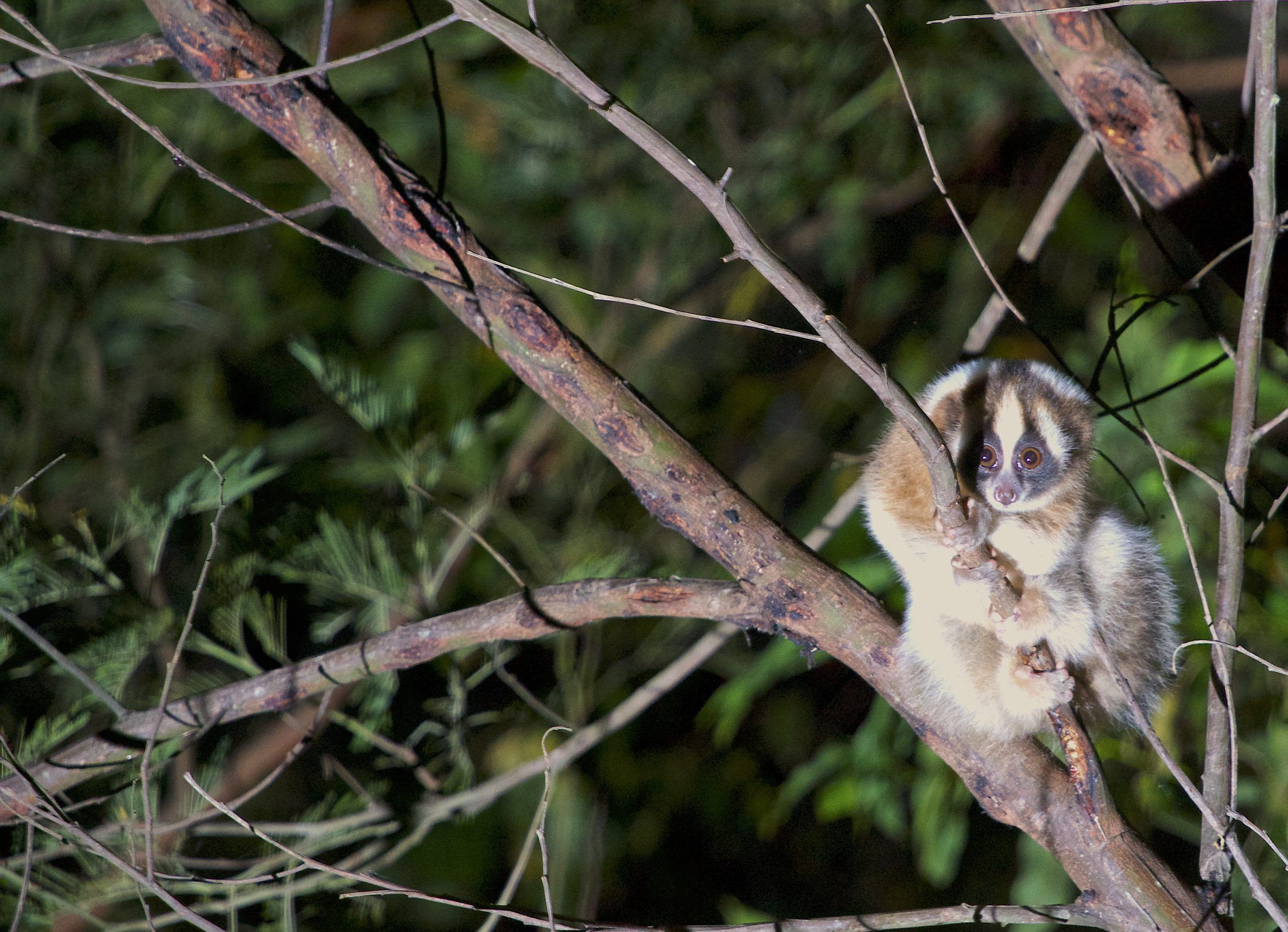
Slow lorises may look cute and cuddly but these large-eyed primates are deadly and use venom to injure and even kill other slow lorises. Recent research has shown that slow …
Read article...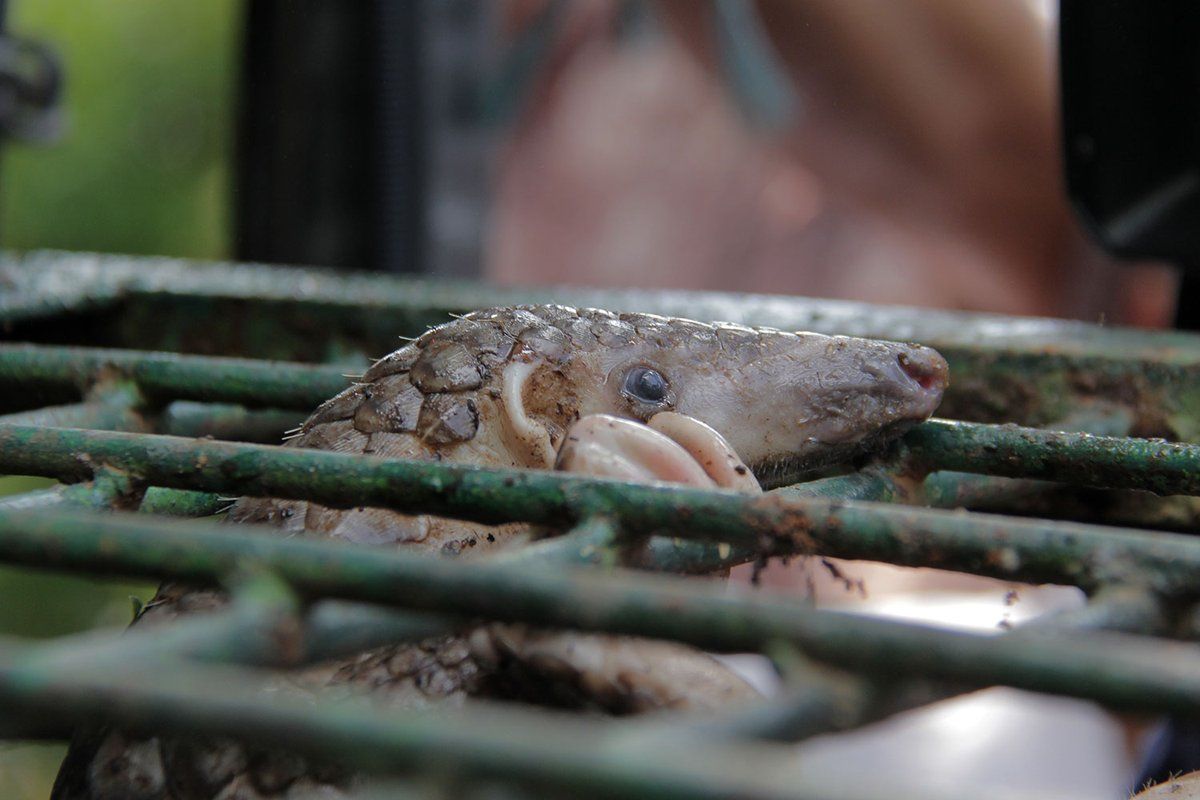
People’s Trust for Endangered Species (PTES) is calling on supporters to sign a petition to address the global wildlife trade. The global wildlife trade can be cruel and a hotbed …
Read article...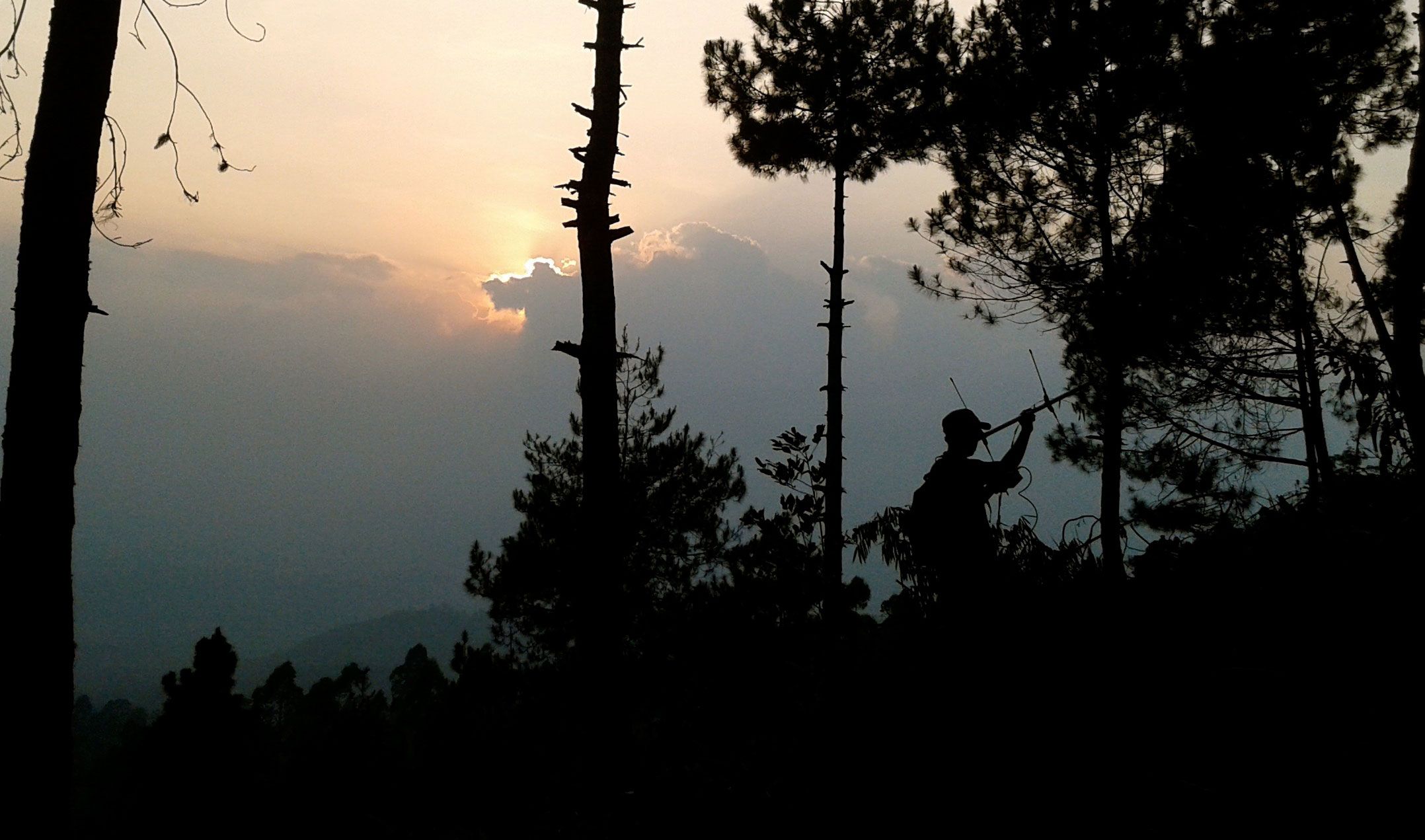
Over the past few months, we have had quite a few new slow loris additions into our LFP family. It all really started with the sighting of Xena, a female …
Read article...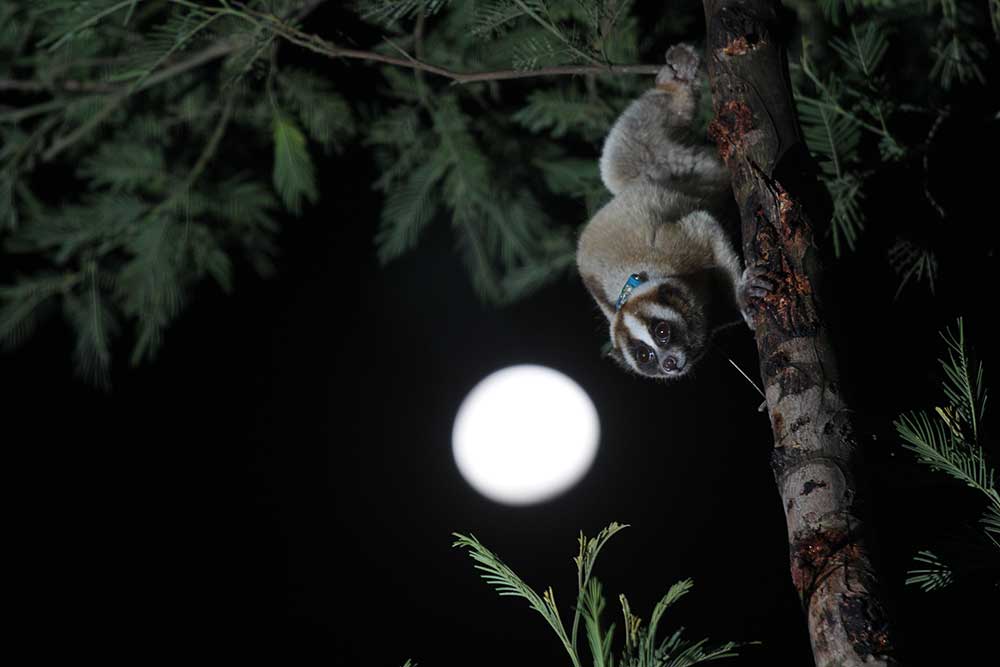
Farmed landscapes Island of Java is home to 60% of Indonesia’s population but only has 10% of its natural forest left. This means that the native animals have to adapt …
Read article...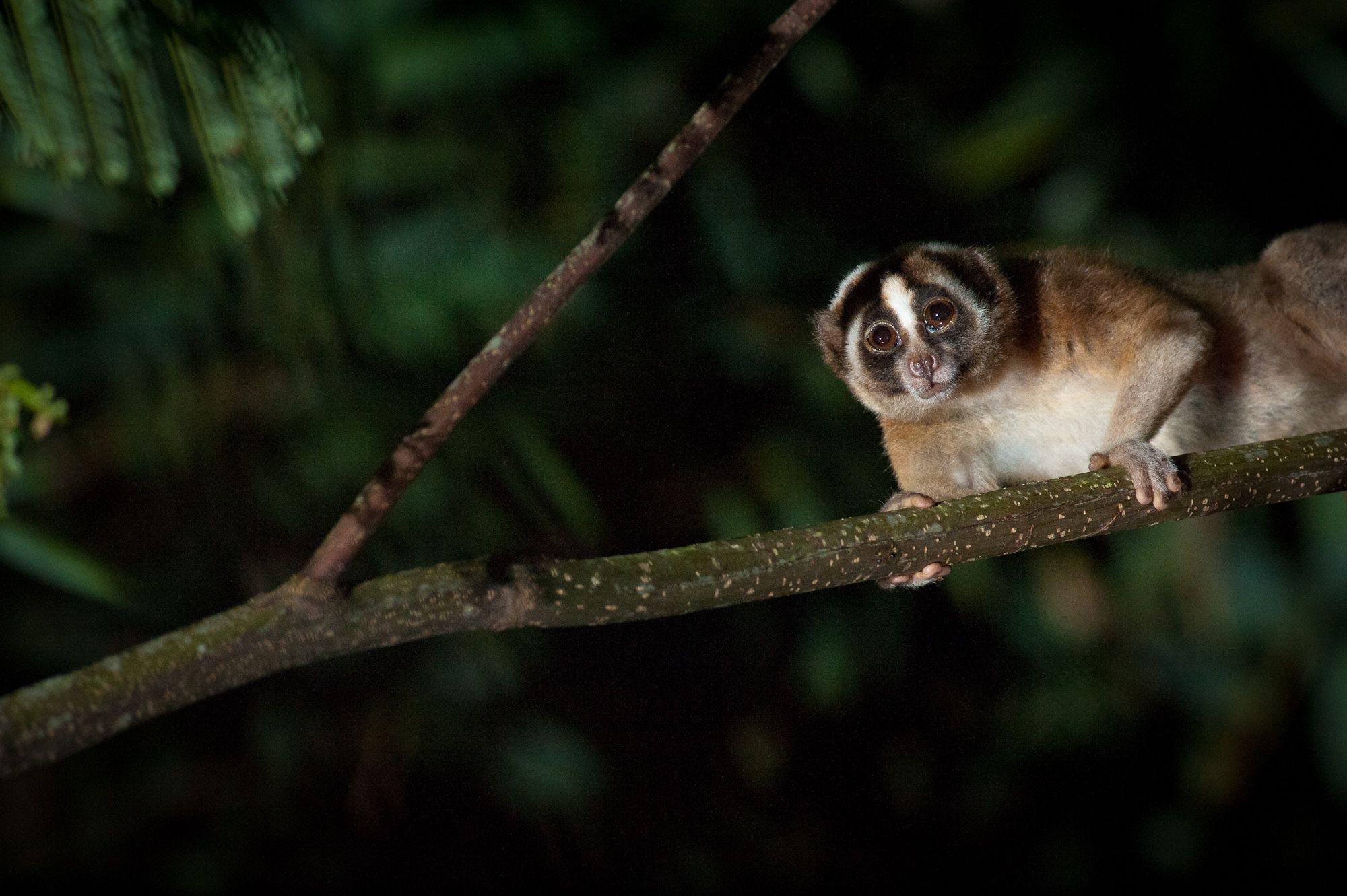
Slow lorises are under threat for many reasons. They are targeted for the illegal pet trade because they look so appealing; their forest habitat is being degraded and cut down; …
Read article...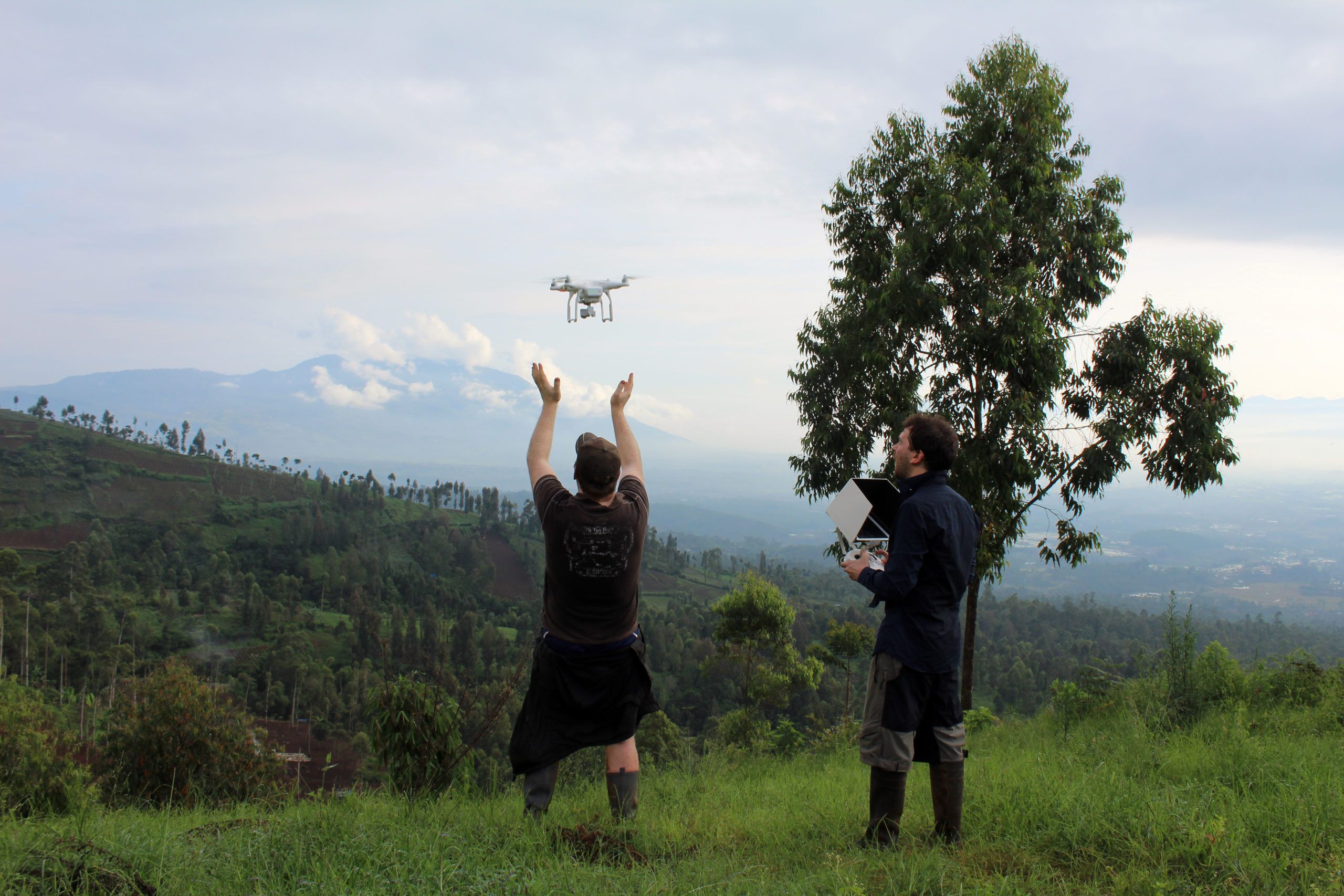
The slow loris is now among the world’s top 25 most endangered primates. Having lost 90% of their tropical forests, exposed and vulnerable lorises are captured and sold illegally through …
Read article...