
Dormice
Search by topic

Hazel dormice class licence CL10a, CL10b survey returns are due to be sent to Natural England from 4th January 2022. This year Natural England is introducing two changes which include new …
Read article...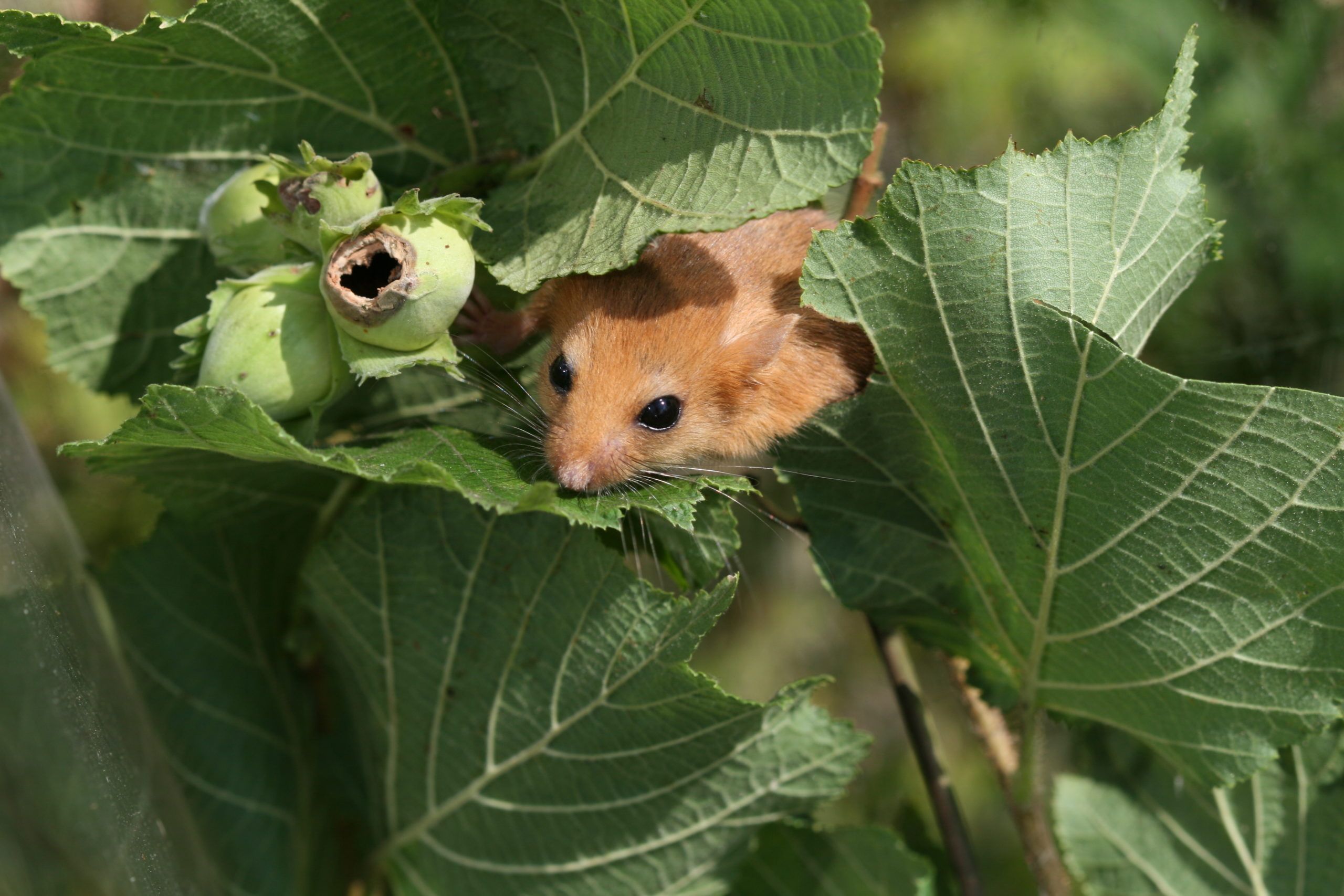
Windsor Safari Park Hazel dormice have always been secretive creatures. Not much was known about them until Dr Pat Morris and Dr Paul Bright began studying the species in the …
Read article...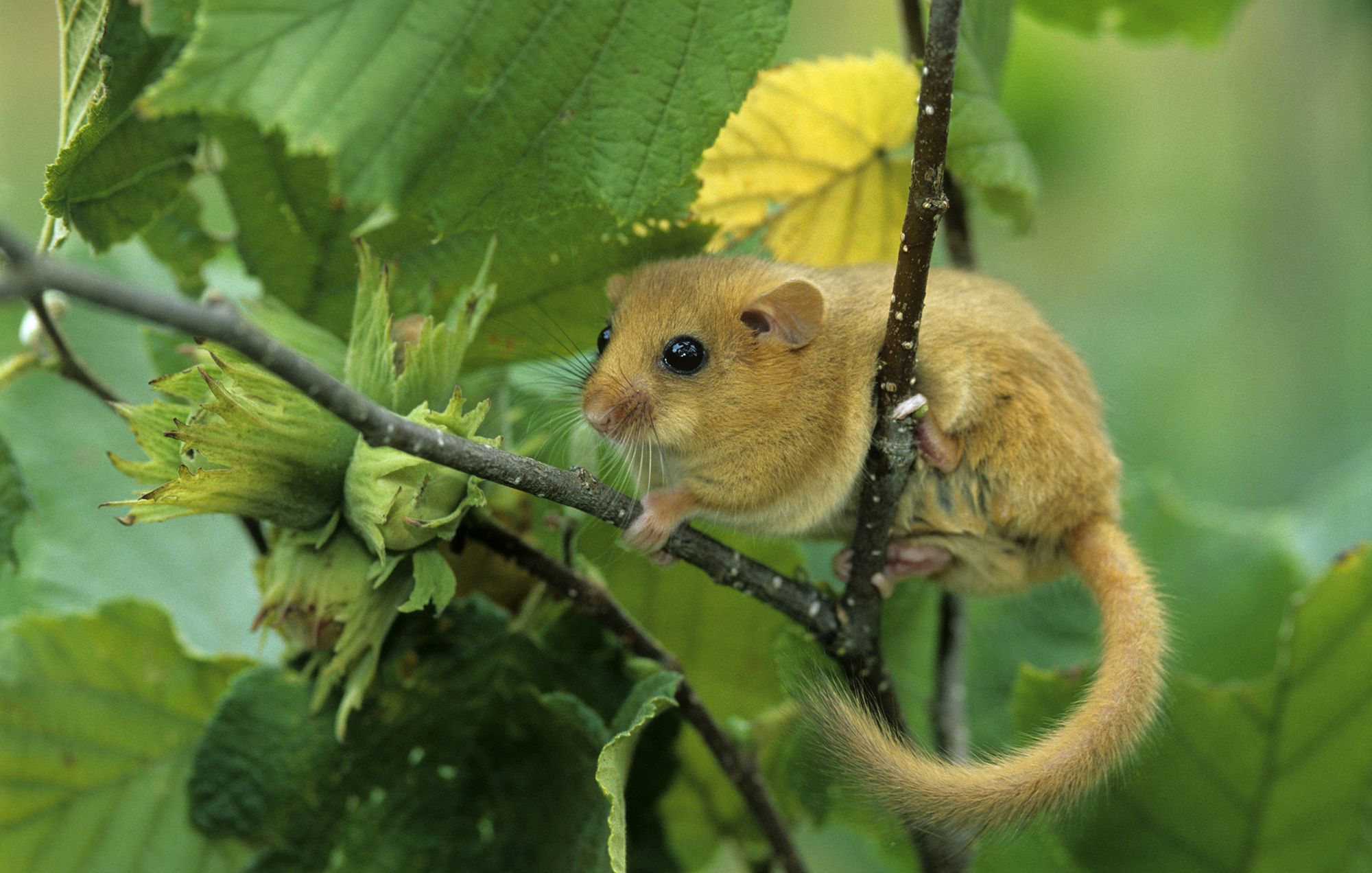
The woodland home Hazel dormice are well-known for their sleepy habits and are always on the look out for somewhere to snooze. We put wooden nest boxes in woodlands where …
Read article...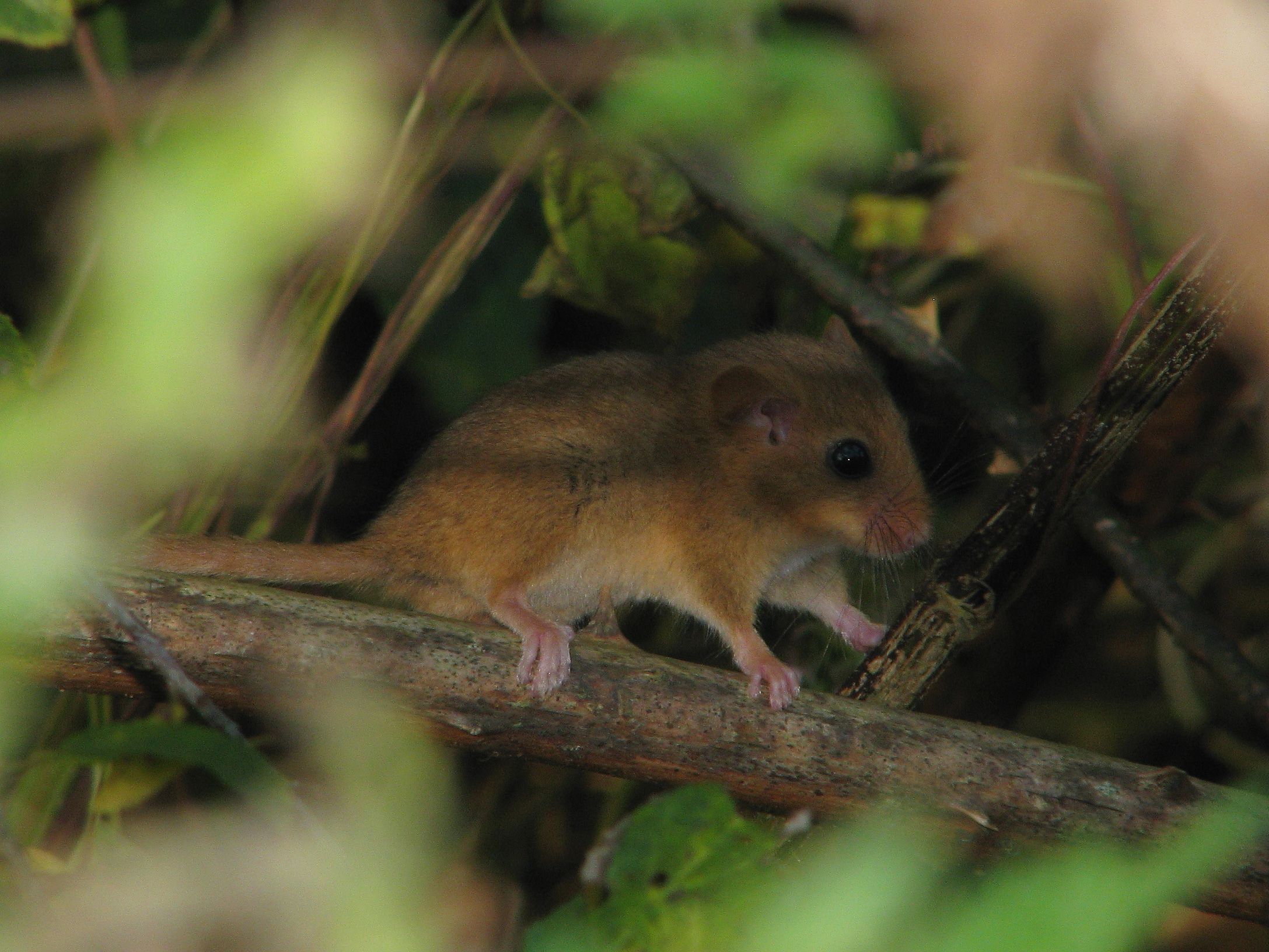
Last summer we put out our Fingle Woods CCTV wildlife camera kits once again, to learn more about our hazel dormice. Last time we set them up, in 2018, we …
Read article...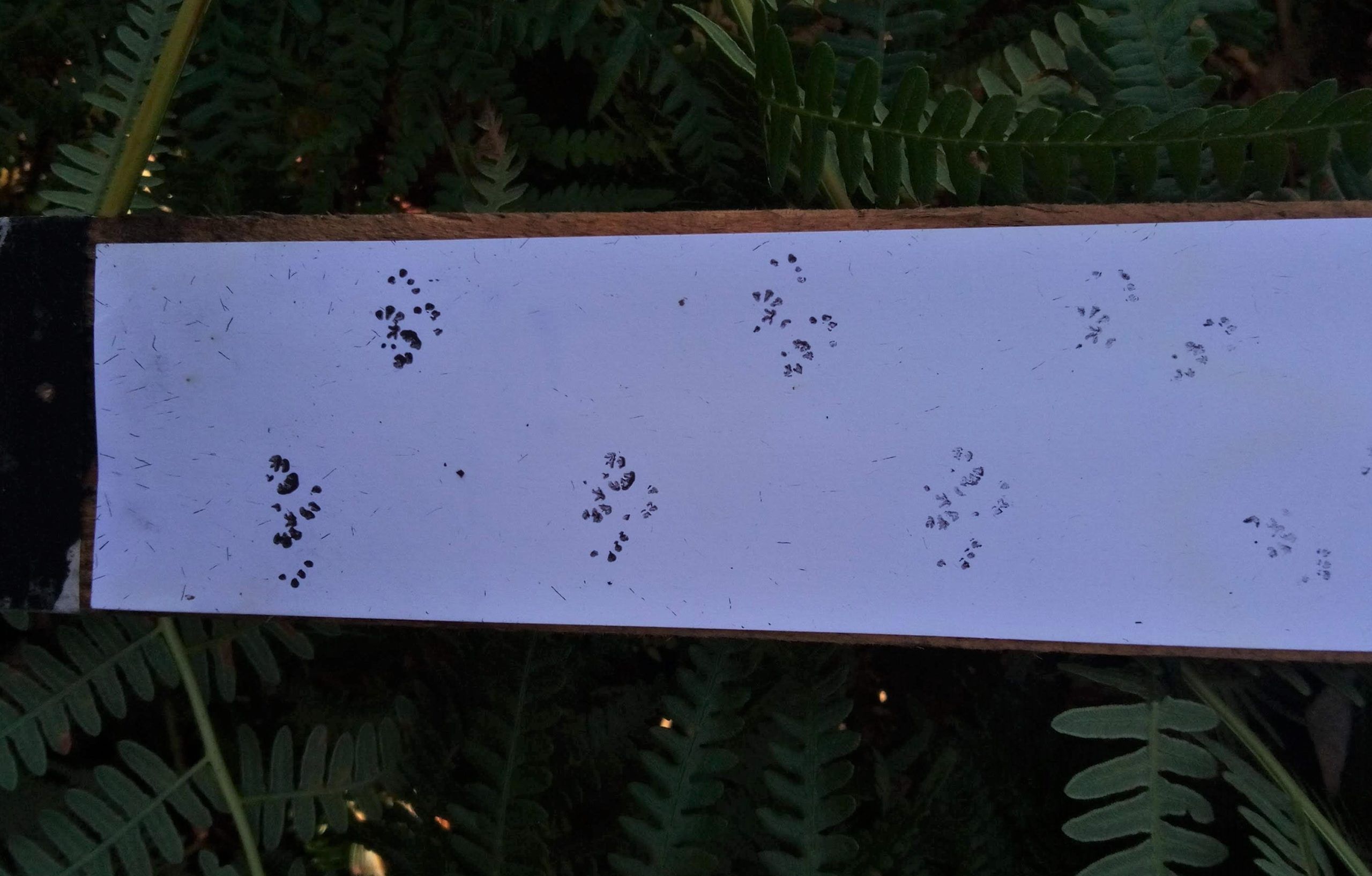
Negative records are important Finding hazel dormice isn’t easy. And it’s even more difficult to prove that they’re absent from a particular patch. But dormice are protected in law. So, …
Read article...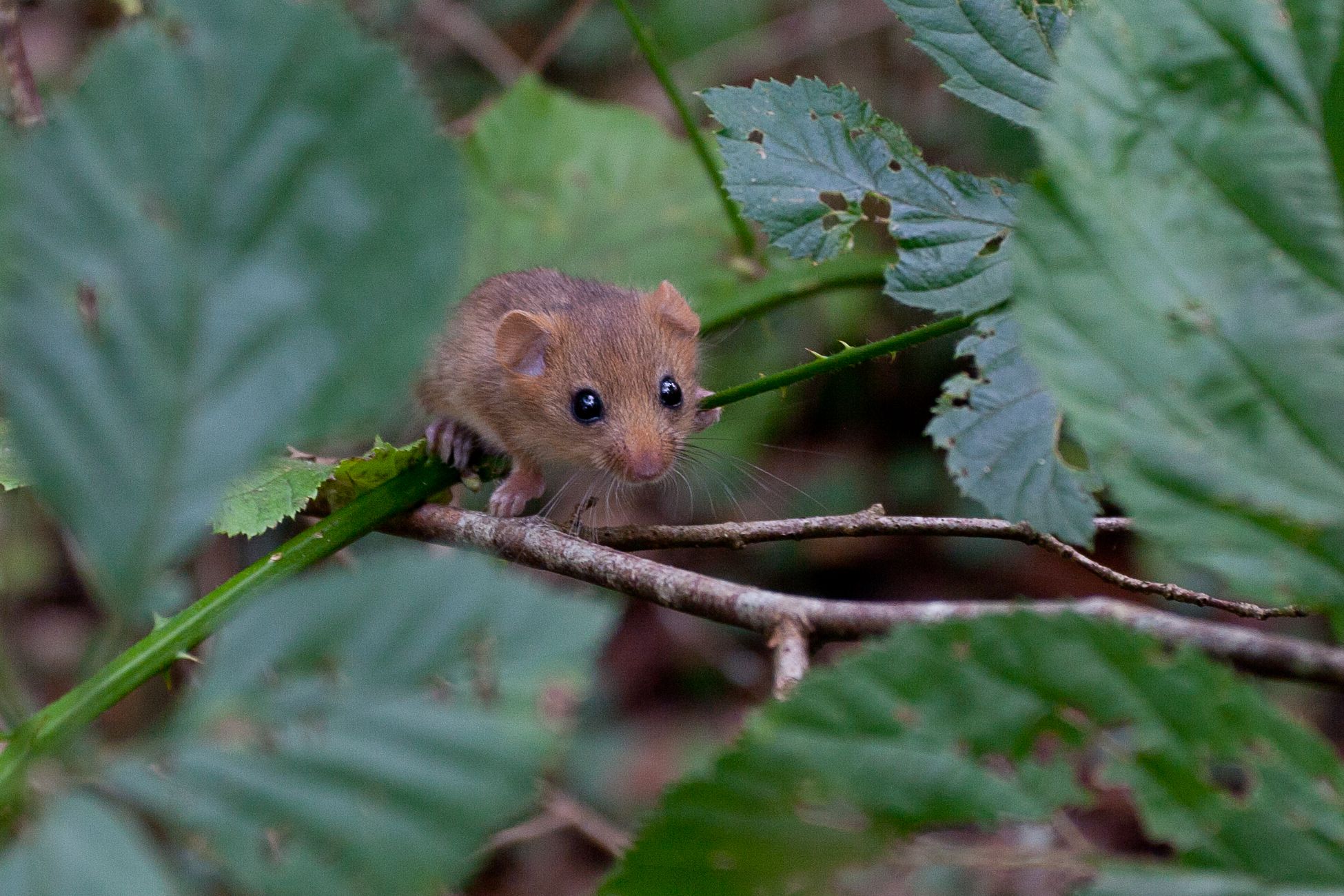
David Talbot describes his experience volunteering this summer with the Back On Our Map (BOOM), Natural England and Morecambe Bay Partnership (MBP) during the landmark release of the 1000th hazel …
Read article...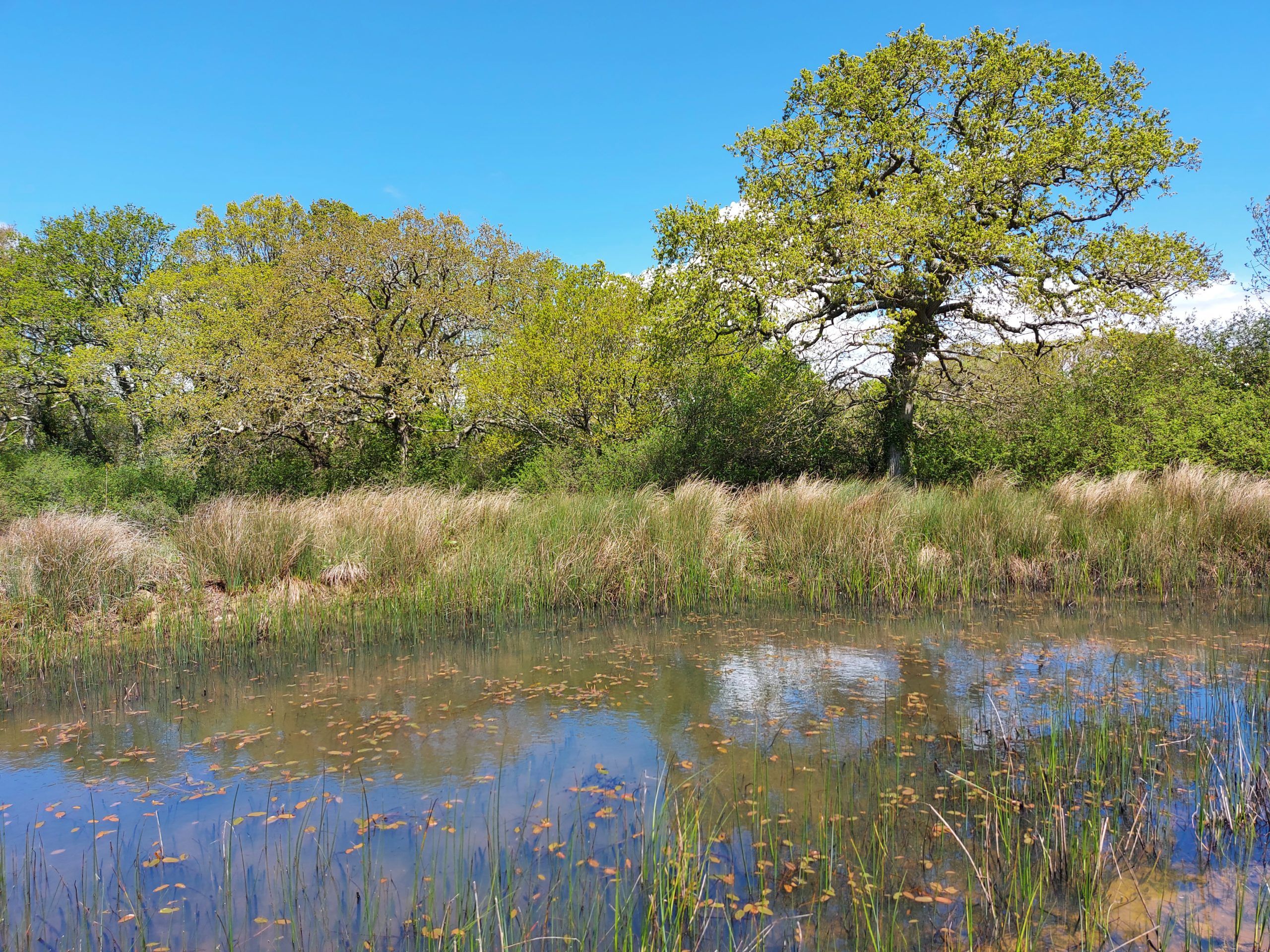
Our nature reserve on the Isle of Wight, Briddlesford Woods, is an ancient woodland which has a rich array of woodland flora and rare invertebrates, but is best known for …
Read article...
Dormice reintroduction June 2021 We were delighted to team up with various partners to release the 1000th hazel dormouse in Lancashire last week. Thirty animals were released into a woodland …
Read article...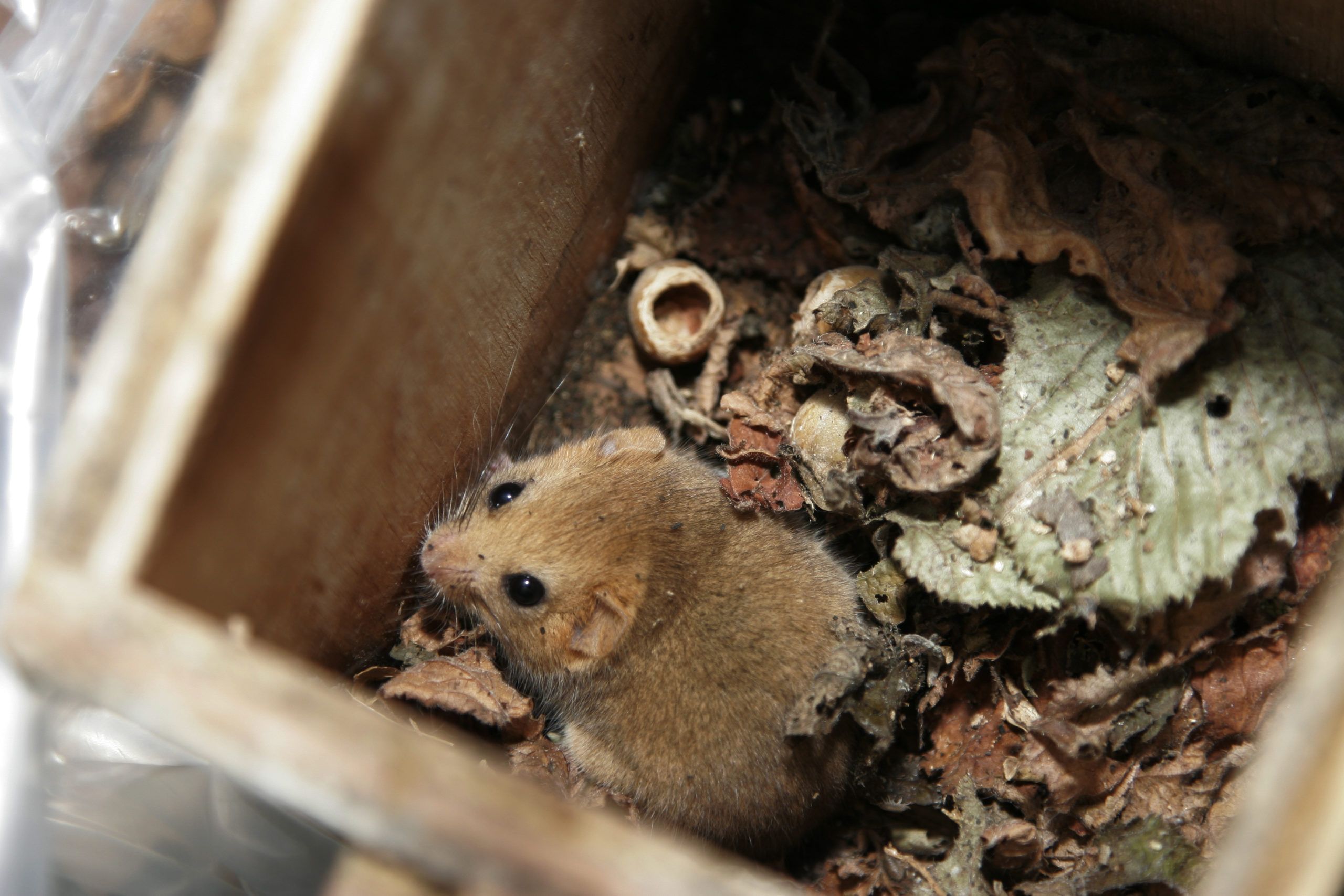
Along with our partners at Natural England, PTES collate records from over 400 dormouse monitoring sites across the UK. The NDMP now has hundreds of trained monitors regularly checking dormouse boxes …
Read article...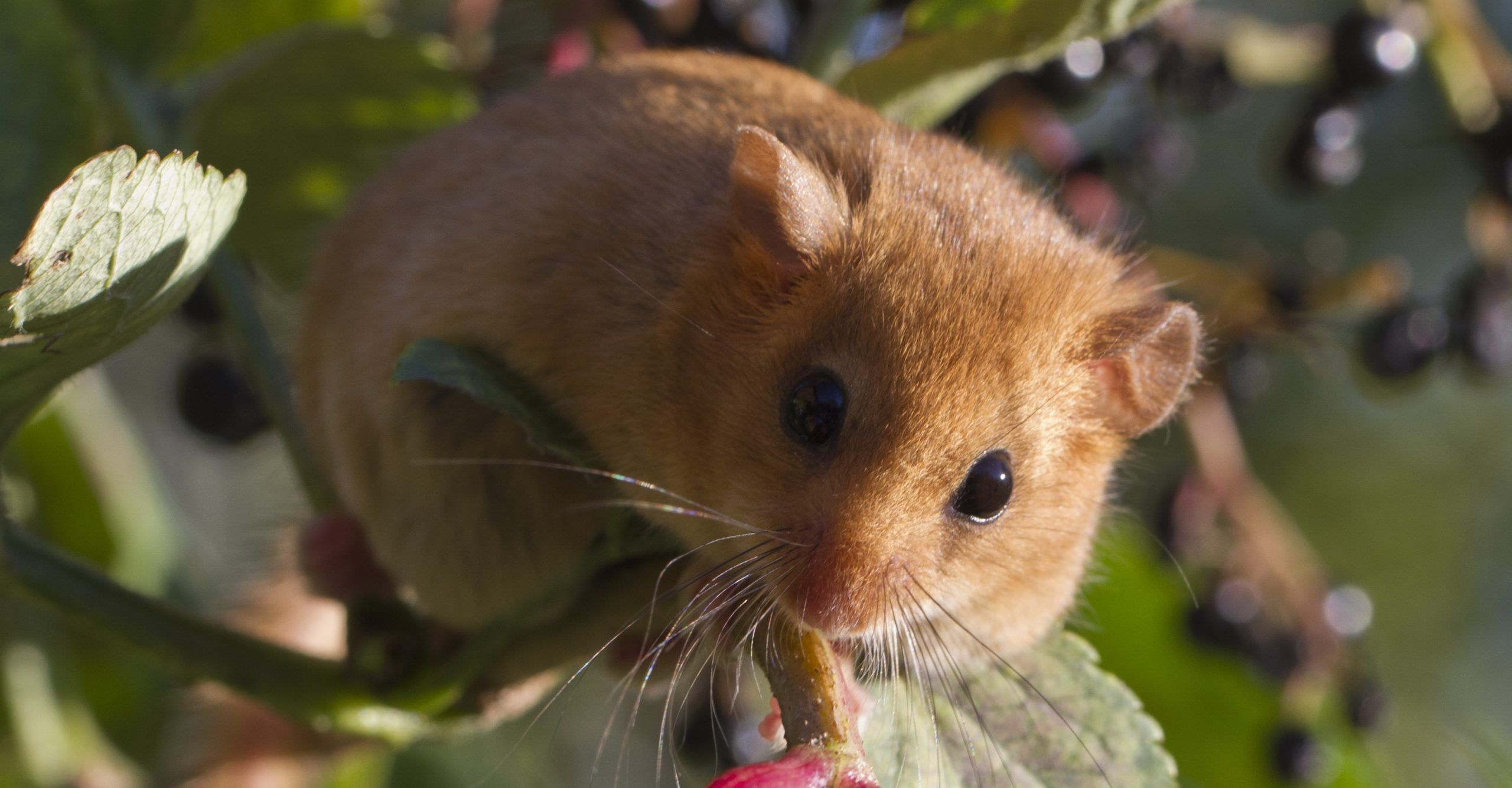
All organisms shed DNA into the environment. Sources of DNA include mucus, hair or fur, skin, urine and faeces. This environmental DNA, or eDNA, can be extracted from samples taken …
Read article...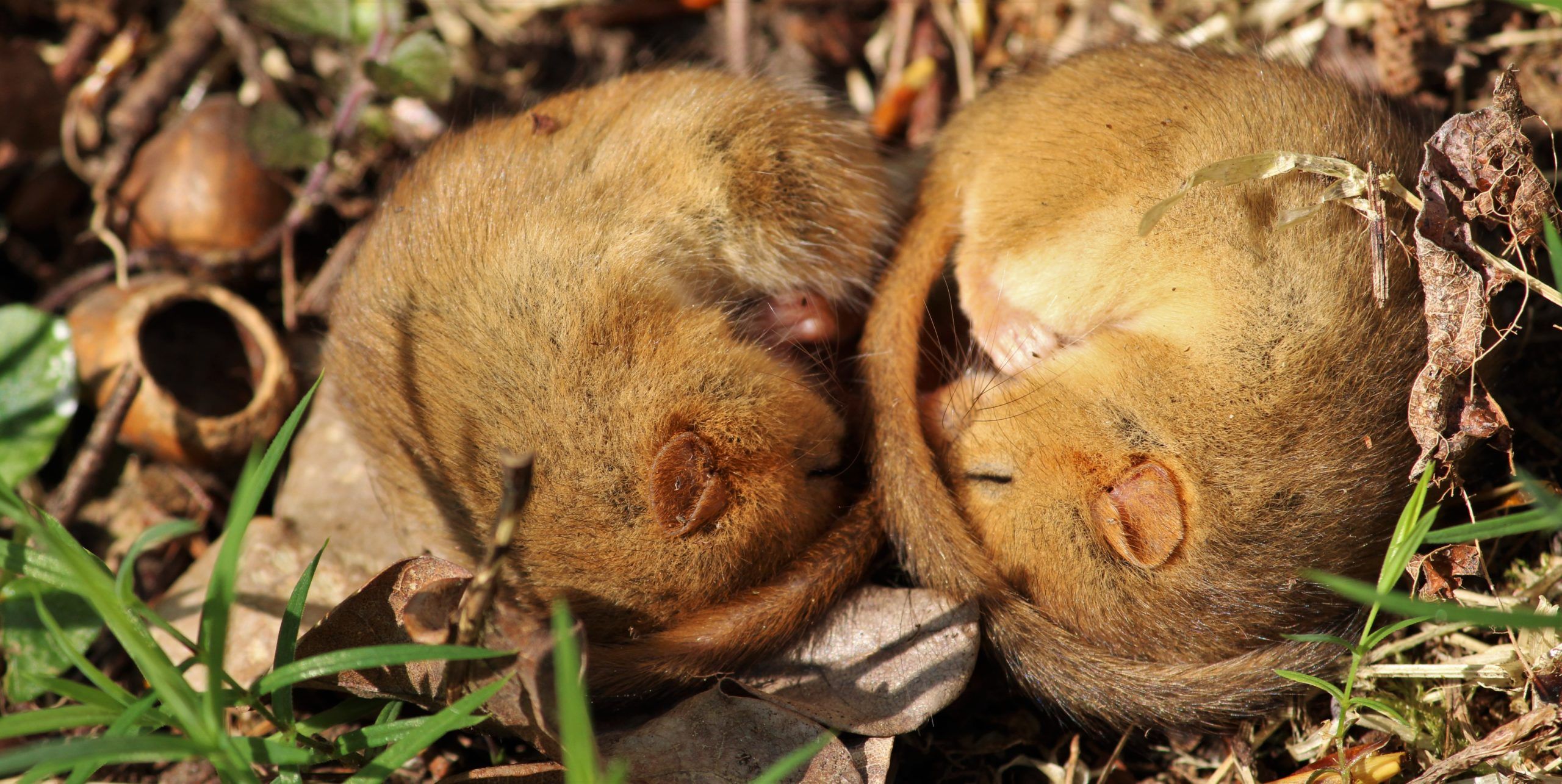
A project at Fingle Woods A woodland conservation scheme that PTES is funding in partnership with the Heritage Lottery Fund is making new discoveries about how dormice colonise recovering habitat. …
Read article...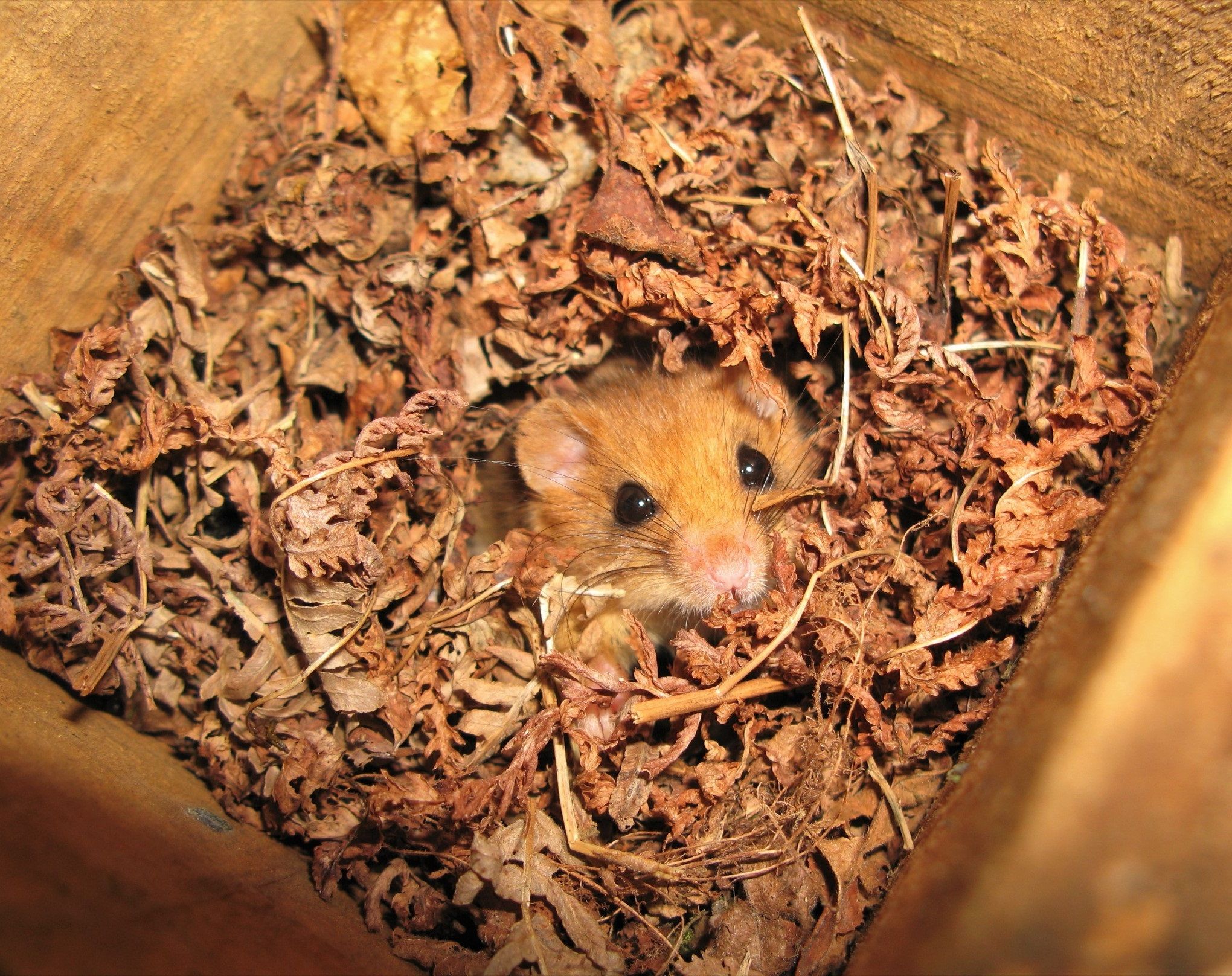
Hazel dormice build different nests for different purposes: hibernating, breeding or just resting. Sometimes they don’t build a nest at all. But the different types of nests they do build …
Read article...