
Climate change is altering the lives of UK wildlife, from hotter, drier summers and changing rainfall patterns to shifts in the seasonal availability of food. For dormice and other wild mammals, these changes can affect everything from feeding and hibernation to survival. Our gardens and green spaces can also play an important role in helping wildlife adapt.
Breaking records
British summers are becoming hotter and drier. In 2025, the UK experienced its hottest summer since records began in 1884, only for that record to be broken again this year.
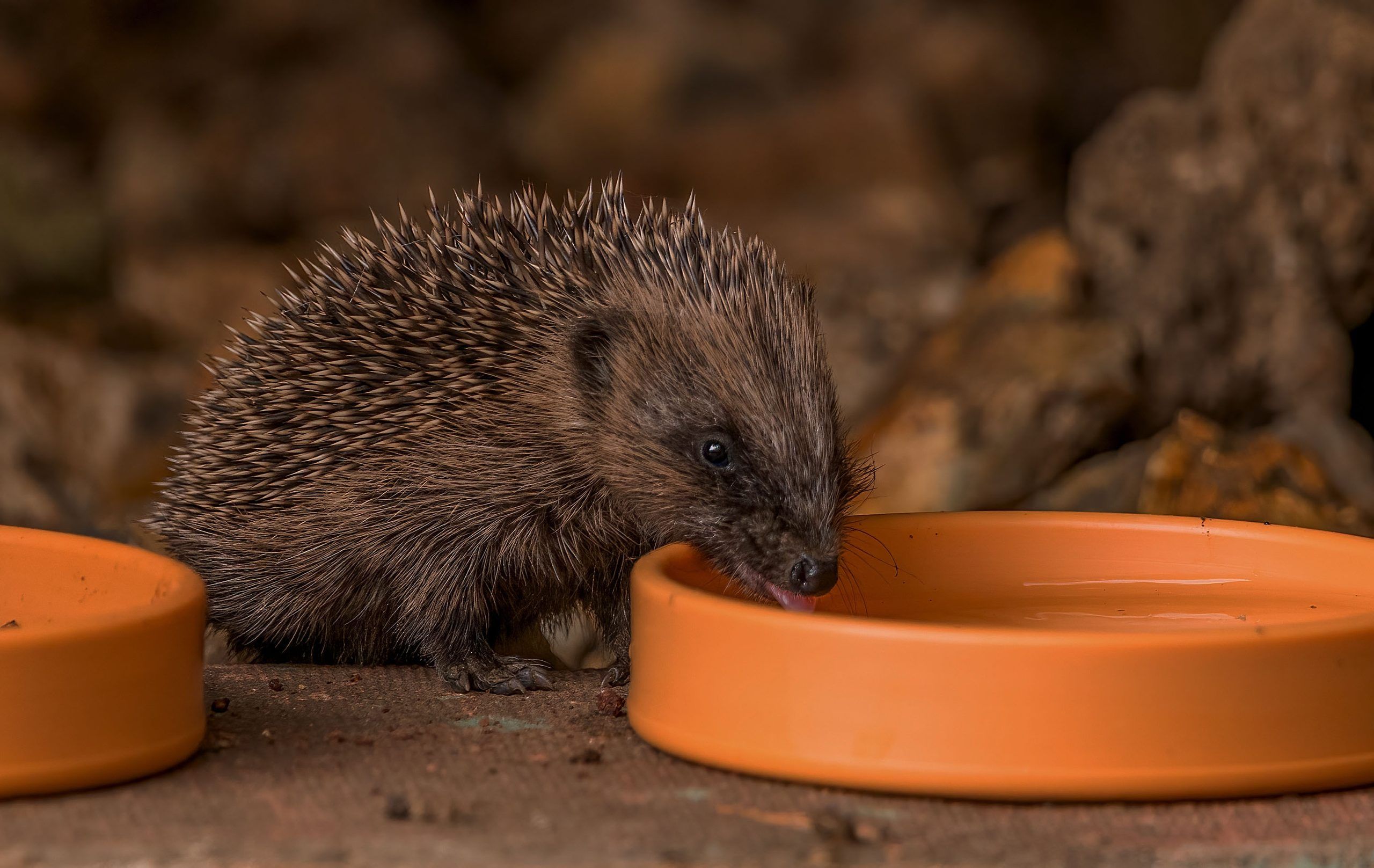
And as our gardens, towns and cities change to adapt to a new climate, so too will our wild neighbours. While autumn has brought some welcome rain, many parts of the country remain in drought after the summer. For wild mammals particularly, water is an important resource. Most of the water that they need comes from drinking (some is obtained from food, and a small amount is made by the body), so surface water sources, such as ponds and shallow dishes, are important. Almost any patch of water, from a puddle to an ornamental water feature, will be used by one animal or another. It’s important that it’s shallow and that the sides are rough or textured, so that anything that climbs in can climb out again. Tips for providing water for wildlife can be found on the Wildlife Trusts’ website.
The changing climate and environment can also affect wildlife in other, sometimes surprising, ways.
It’s all in the timing
A changing climate may affect when, and how much, food is available, as well as its quality. What dormice eat depends on what is seasonally available. In spring, they feed on flowers and pollen from hawthorn, oak, honeysuckle and sycamore as the season progresses. In summer, insect prey such as caterpillars and aphids are on the menu, before autumn berries and nuts ripen.
Warmer springs have meant trees come into blossom earlier. If this doesn’t coincide with when dormice come out of hibernation, it could mean less food is available. A warmer summer, on the other hand, might produce an abundance of caterpillars and an all-you-can-eat buffet for dormice.
Rainfall, too, apart from providing drinking sources, can affect dormice in other ways. Rather than brave the elements, dormice sometimes opt for an energy-saving strategy instead, slowing their metabolic rate and going into a state of torpor for the day, a little like a mini hibernation. On colder, wetter days, dormice are found in torpor more often and foraging for less of the time. In years when torpor is more frequent, fewer adult dormice and fewer litters tend to be found.
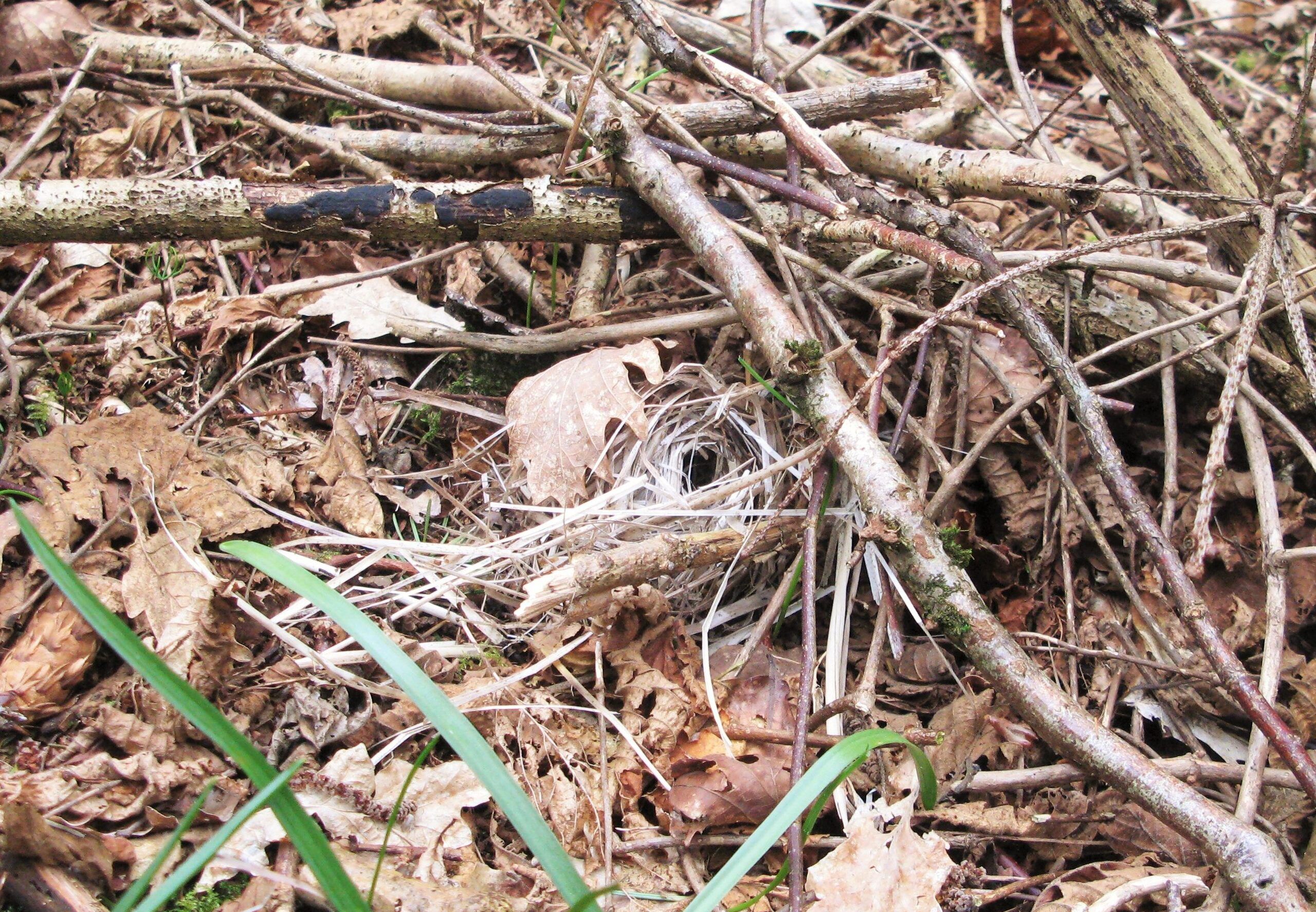
The wet weather can have other effects as well. In winter, when dormice are hibernating on the woodland floor, snow cover acts as an insulating blanket, but if it melts or falls as rain, in milder winters, hibernation nests can get soaked. As a result, they lose heat more quickly and dormice use up more of their reserves, emerging in poorer condition in the spring.
Heavy rainfall might also cause flooding, putting hibernating dormice at risk of drowning.
Weathering change
Four of the warmest years on record for the UK have been in the last five years. Rainfall patterns, too, have broken records: 2025 saw both the driest spring in England for over a century and a wet, stormy autumn and winter, while winter 2023/24 was the wettest ever recorded in England and Wales for over 250 years.
More extreme, less predictable weather is likely to affect our wildlife in many ways, both positively and negatively. How we think about gardens and green spaces—the sorts of plants we grow and the ways we can make the best use of water—and ensuring there’s a place for our wild neighbours, will determine how well we weather a changing climate.
For tips on making your garden more wildlife-friendly, have a look at our website.
Get involved with our mammal watching survey, Living with Mammals today or visit our mammal fact files to learn more about British mammals:
Image credits: Joanne Charwood, Liz Miller | shutterstock