
Weird, wonderful and slightly spooky: species in need of a helping hand
Halloween is the perfect time to celebrate the weird, wonderful and slightly spooky side of the natural world. From mysterious orchids with dragon-inspired names to frogs living in tiny, isolated habitats, some of the species most in need of our help are also those we know least about.
Protecting endangered species isn’t just about saving famous ‘flagship’ animals such as giant pandas and tigers. Some of the world’s most threatened species receive far less attention, despite playing important roles in their ecosystems. That’s why research and practical conservation action are so important, particularly for species that are little studied or easily overlooked.
This Halloween, meet some of the weird and wonderful species we’re helping to protect, and discover the conservation work giving them a fighting chance.
Dracula Vampira orchids: flowers that need a helping hand
Dracula Vampira orchids are perfectly named for Halloween. With their extraordinary, dark flowers, they’re among the most unusual plants in the natural world. Their striking appearance also makes them highly sought after by collectors, putting them at risk from illegal collection and habitat loss.
But these threats aren’t limited to Dracula orchids. Other rare orchids are also lost when the trees they grow on are cut down or fall naturally. Unlike animals, orchids can’t simply move out of harm’s way when a tree comes crashing down. Once they fall, they can be left to die.
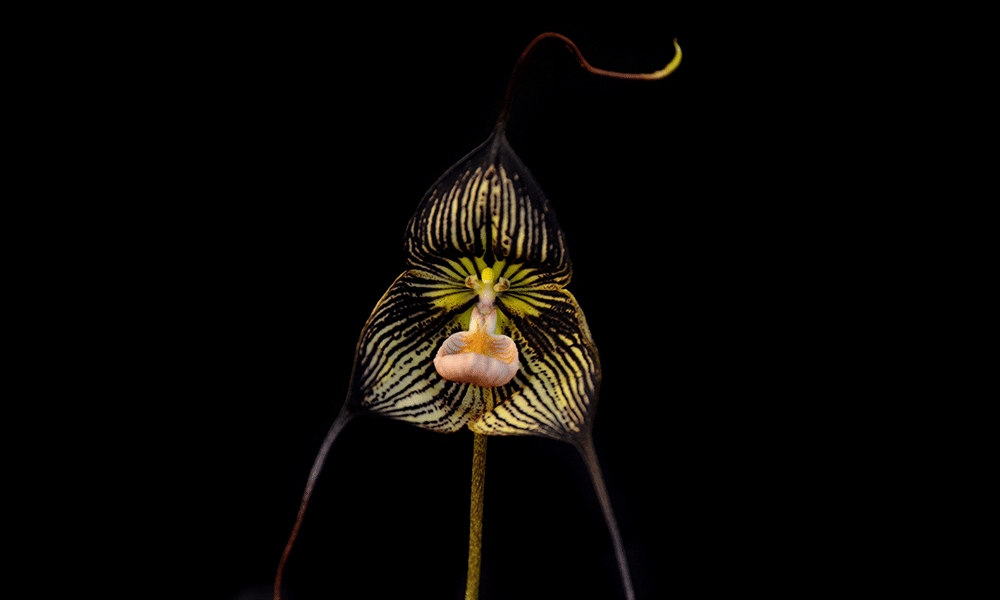
In Colombia, Ana María Benavides and her team are investigating whether fallen rare orchids can be rescued and relocated to regenerating forests, offering hope for threatened species that might otherwise be lost. Perhaps these dark and mysterious flowers aren’t so spooky after all.
A frog called Bilbo
Frogs and toads around the world have evolved to survive in very particular habitats. But when those habitats are damaged, entire species can disappear. Take Bilbo’s rain frog – a brilliantly named and extremely rare species found in a tiny patchwork of grasslands in South Africa. Its habitat is surrounded by timber plantations, making the remaining grasslands especially important.

We’re funding a team to map Bilbo’s rain frog populations and working with landowners and forestry companies to create agreements that improve the management and care of the grasslands. For a species confined to such a small area, protecting every patch of suitable habitat could make a huge difference.
The frog fighting an underwater invader
The Valcheta frog has an even smaller home: a handful of springs in a Patagonian stream. Its biggest threat comes from an unlikely invader – introduced rainbow trout. These non-native fish can prey on the frogs and disrupt their fragile habitat.

We’re funding a team at Fundación Somuncura that’s working to remove the invasive trout and prevent them returning, while restoring the stream banks and protecting the springs from livestock. Previous work has already shown that these remarkable little frogs can return to areas where their habitat has been restored. With their aquatic nemeses kept at bay, these rare frogs have a chance to recolonise their stream.
Zombie hedges and ghostly boundaries
Not all the spooky stories are found in distant forests or remote streams. Some are hiding in Britain’s hedgerows.
Hedgerows are steeped in folklore, with many plants traditionally believed to have mystical, poisonous or magical properties. Hazel was used for water divination, rowan for protection and ash for healing. Holly trees were left alone to help stop witches practising their magic, while historically, people asked permission from the fairies before cutting elder.
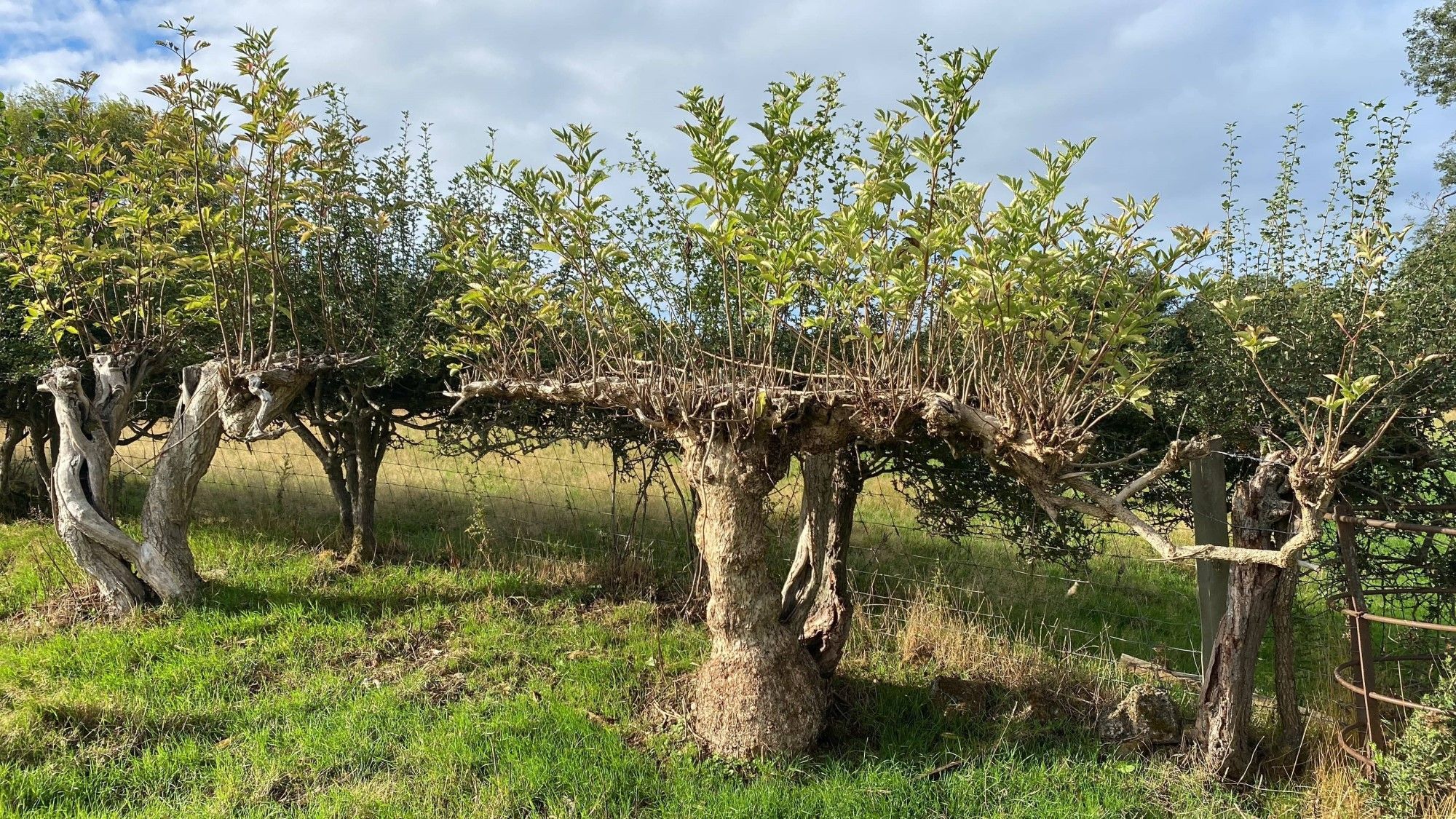
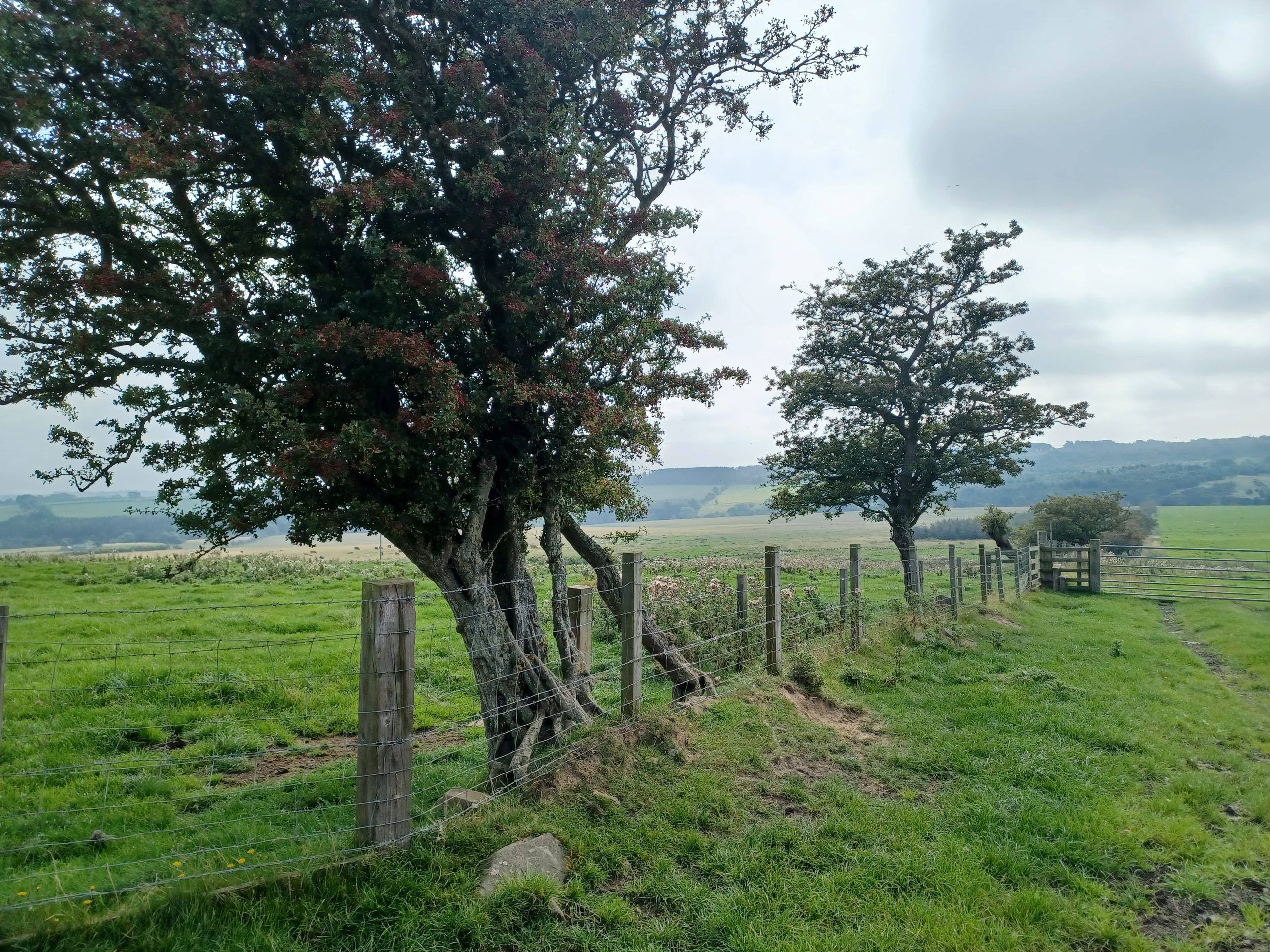
Today, Britain’s hedgerows face a less supernatural threat: neglect and poor management. A hedge that has been repeatedly trimmed for too long without being laid or rejuvenated can become a ‘zombie’ hedge. And where a hedge has disappeared altogether through lack of management, traces of the old boundary can remain – known as a ‘ghost’ hedge.
At PTES, our hedgerow conservation programme is working to restore these precious habitats to their former glory. If you can see a hedge slowly disappearing from the landscape, you’re watching a habitat vanish before your eyes. Now that really is scary.
From extraordinary orchids to tiny frogs and Britain’s disappearing hedgerows, there’s nothing frightening about giving wildlife a future. Discover more about the conservation projects we’re supporting and how you can help.
Image credits Tiaan Botha, Coulanges | shutterstock, Leela Mei | shutterstock, Emily Pennifold.