
A new chapter for Leicestershire’s dormice
There’s some exciting wildlife news from Bradgate Park this week as more than 40 hazel dormice have been released into one of the park’s woodlands by People’s Trust for Endangered Species and partners.
The tiny golden-coated mammals are joining the 21 dormice released last year, helping to strengthen what is now Leicestershire’s only known dormouse population.
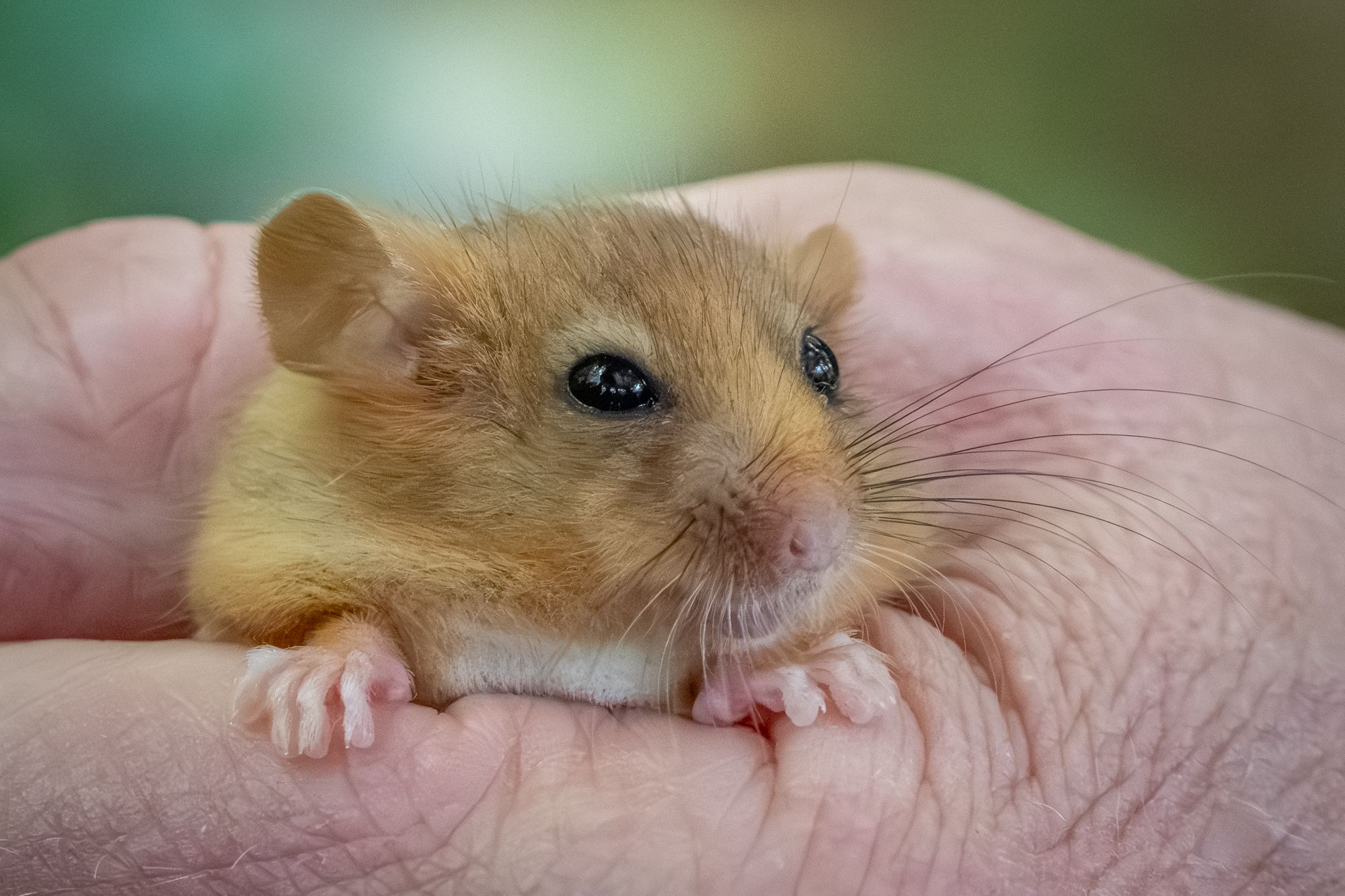
And there’s already plenty to celebrate. The first population appears to have settled in remarkably well. By autumn 2025, volunteers monitoring specially installed nest boxes had recorded 46 dormouse nests in the woodland, along with several litters of young – clear signs that the population is thriving.
A welcome boost for a rare species
Hazel dormice were once found across much of England, but their numbers have fallen dramatically due to habitat loss, declining hedgerow quality and climate change. Today, they are one of Britain’s most threatened native mammals, with national numbers declining by more than 70% since 2000.
This year’s release is part of People’s Trust for Endangered Species’ (PTES) long-running dormouse reintroduction programme. For more than 30 years, PTES has led efforts to restore native dormice to suitable woodlands across Britain, working with conservation organisations, land managers, breeders and volunteers to help reverse the species’ decline.
The charity has reintroduced dormice to woodlands across the country since the programme began in 1993, with Bradgate Park becoming one of the latest success stories.
“We’re thrilled that more dormice will be joining our existing population this year,” said James Dymond, Director of Bradgate Park Trust. “We’re looking forward to another summer of nest box checks with our fantastic volunteers and, hopefully, finding even more evidence of breeding.”
Creating a woodland home
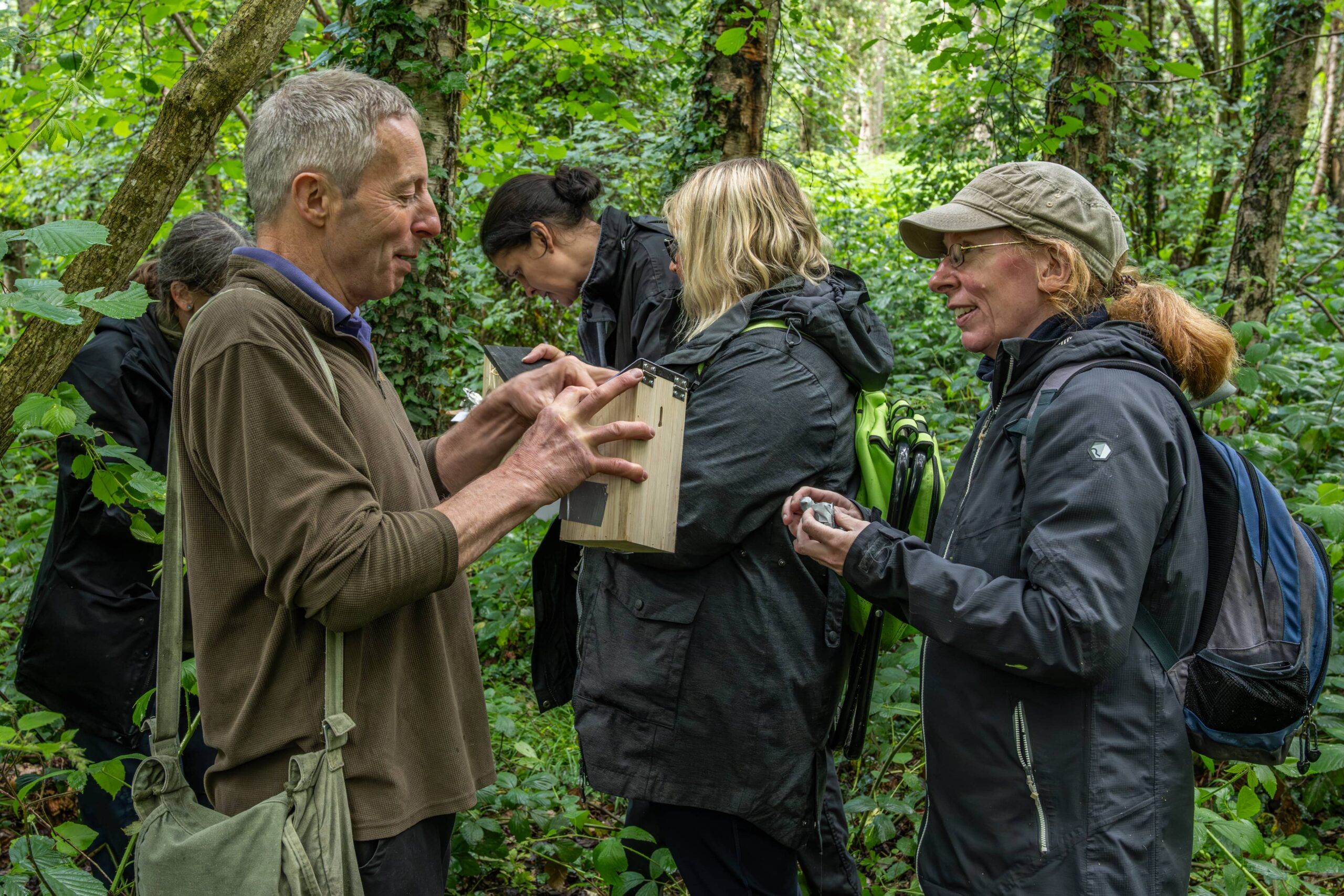
While the releases themselves are an important milestone, they are just one part of a much bigger conservation effort. PTES carefully oversees every stage of the reintroduction programme, from breeding and health screening to post-release monitoring, helping give each new population the best possible chance of success.
At Bradgate Park, that work is supported by years of habitat management. Rangers have spent more than a decade improving woodland connectivity and creating the dense, diverse habitat dormice need to thrive.
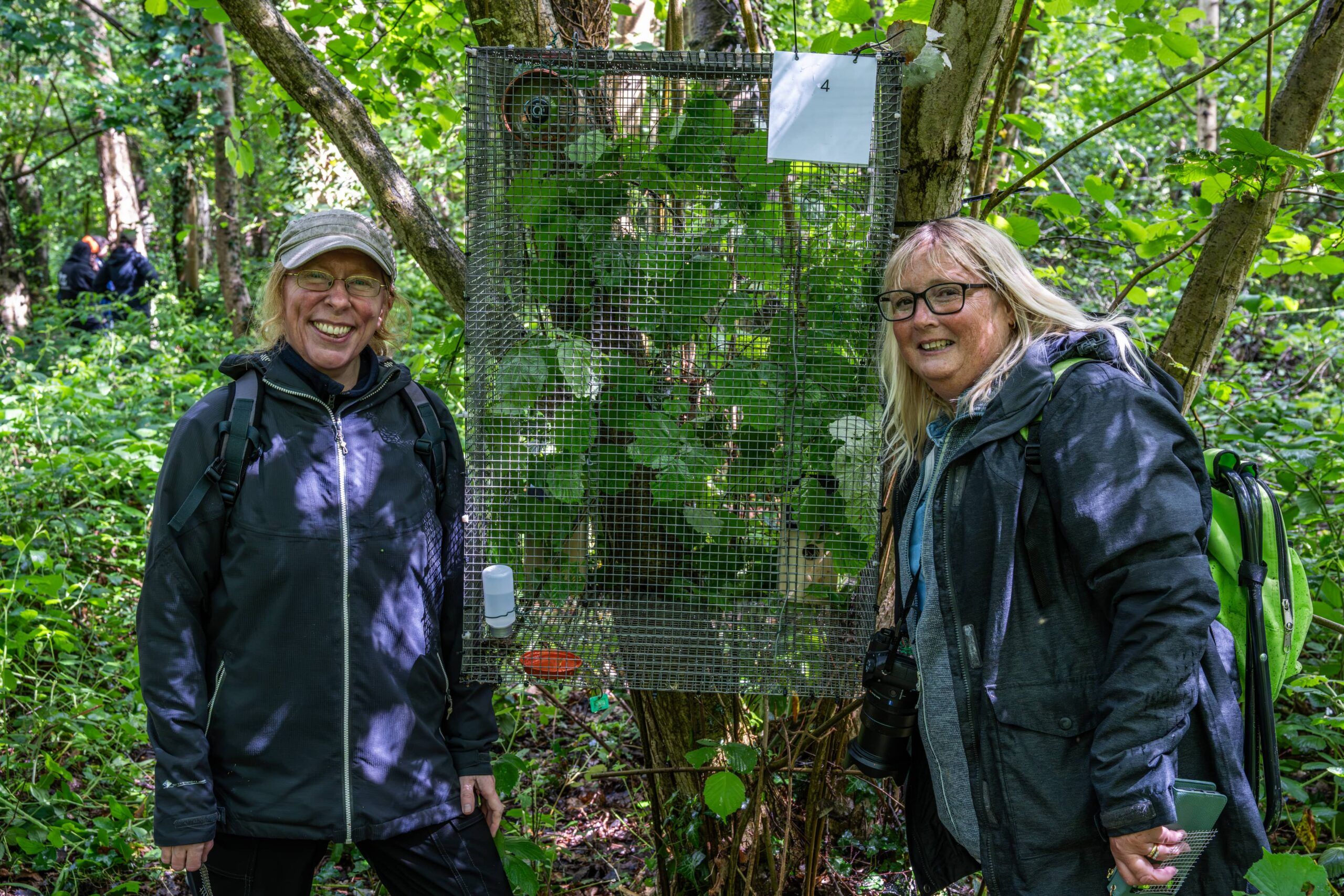
Before release, every dormouse receives health checks and spends time settling into specially designed enclosures where they can get used to their new surroundings. Volunteers then help care for them until they’re ready to venture out into the woodland.
Since the national reintroduction programme began, more than 1,100 dormice have been released into woodlands across Britain. Thanks to the leadership of PTES and the support of conservation partners, Bradgate Park is now helping secure a future for this much-loved native mammal in Leicestershire.
For anyone lucky enough to spot one, hazel dormice are unmistakable: golden-brown fur, large black eyes, long whiskers and a wonderfully fluffy tail. Mostly active at night, they’re rarely seen, but their growing presence at Bradgate Park is a hopeful reminder that with the right expertise, habitat and long-term commitment, threatened species can make a comeback.
To find out more about PTES’ dormouse conservation work, visit www.ptes.org/dormice.
June 12th, 2026

Images: Angyalosi Beata | shutterstock, People’s Trust for Endangered Species, Malcom Heaven, Andrzej S Jablonski.