Red squirrels are one of the UK’s most threatened native mammals, their range now limited to a handful of strongholds where suitable habitat remains and pressure from non-native grey squirrels is kept at bay. Their future depends on carefully managed woodland, long-term conservation action, and a clear understanding of the challenges they face.
At People’s Trust for Endangered Species (PTES) we’re working to protect threatened wildlife by safeguarding habitats and managing nature reserves where species can thrive. Practical conservation, including our work at Briddlesford Woods on the Isle of Wight, is helping to secure a future for endangered species, including red squirrels.
Red squirrels in the UK today

With their tufted ears, warm red colouring and expressive tails, red squirrels are among our most charming mammals. Today, however, they are rarely seen across much of the UK due to their restricted distribution.
In southern England, red squirrels are now largely confined to island populations on the Isle of Wight and Brownsea Island. In Wales and parts of northern England, they survive in isolated pockets where grey squirrels have yet to establish. Scotland remains their main stronghold, but even here red squirrels face ongoing pressure from the spread of grey squirrels and the loss and fragmentation of suitable woodland habitat.
The challenges facing red squirrels
The greatest threat to red squirrels in the UK is the non-native grey squirrel. Grey squirrels are larger and more adaptable, allowing them to outcompete red squirrels for food and space. More significantly, they carry squirrelpox virus, a disease to which grey squirrels are largely immune but which is often fatal to red squirrels.
Once introduced to an area, squirrelpox can spread rapidly through red squirrel populations via direct contact or contaminated surfaces, causing sudden and severe population declines.
Conservation in practice: Briddlesford Woods
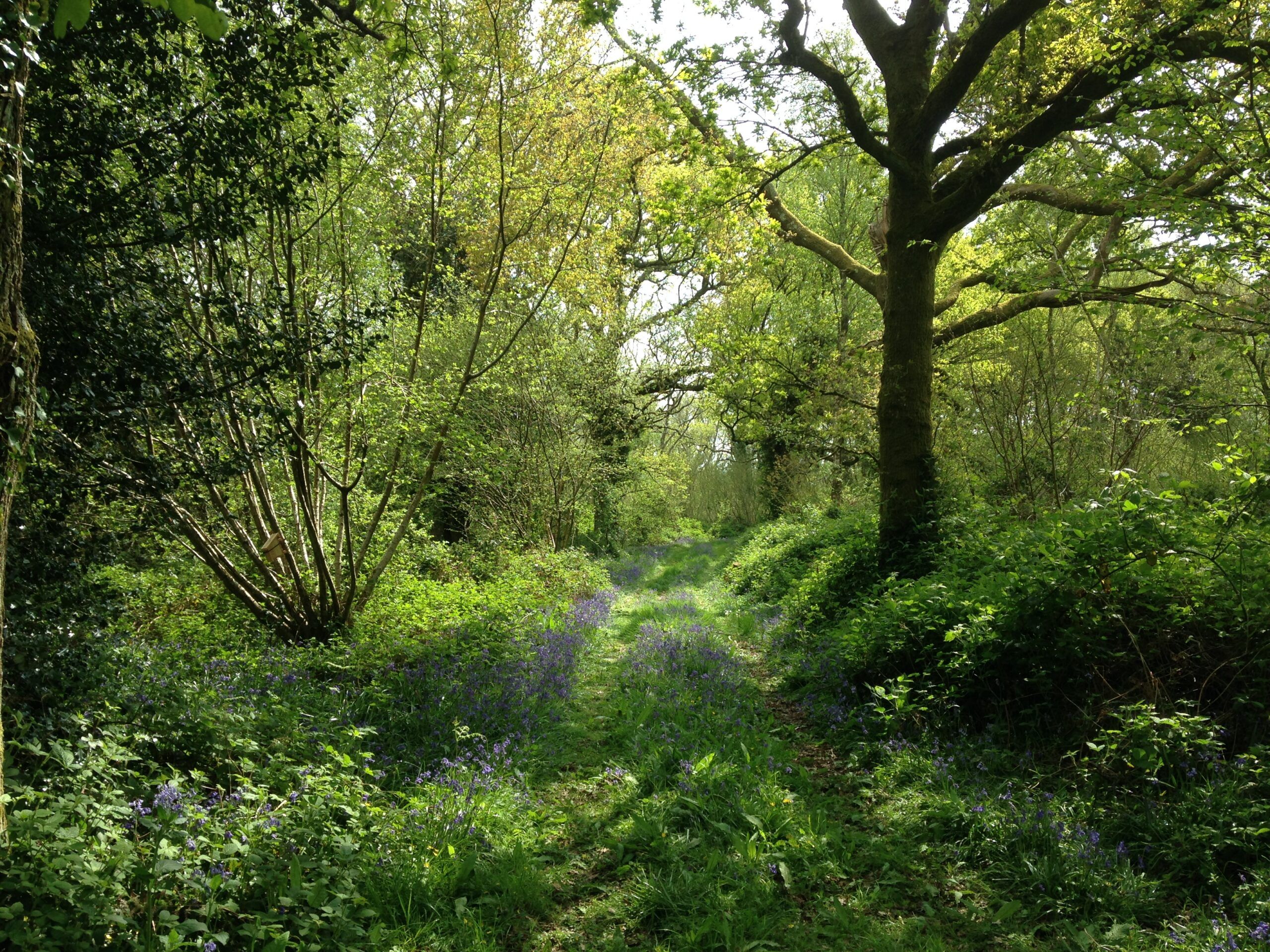
At Briddlesford Woods, a PTES nature reserve on the Isle of Wight, we manage woodland habitat to support red squirrels alongside other important and rare species, including hazel dormice and bats. The reserve covers 100 hectares of semi-natural ancient woodland and is carefully managed to balance the needs of multiple woodland mammals and other species.
When widening woodland rides (paths), we retain pinch-points where the canopy almost meets, allowing species such as red squirrels and dormice to move through the woodland without interruption. Hazel is managed through traditional coppicing on a long rotation of around 15–20 years, ensuring a reliable supply of nuts – an important food source for woodland wildlife.
Visits involving large survey teams or practical work need to be carried out quietly, as red squirrels are quick to retreat if disturbed. Our small team of regular contractors, who carry out planting, felling and fence repairs, often encounter red squirrels more frequently. On one occasion, a red squirrel even lingered at eye level on a pile of brash in a coppice coupe (an area of woodland where trees are periodically cut to encourage regrowth) while the team ate lunch – a rare and memorable sighting, even for those accustomed to regular glimpses.
Although Briddlesford Woods benefits from its island location, vigilance remains essential. The accidental or deliberate introduction of grey squirrels to the Isle of Wight would be catastrophic for the island’s red squirrel population, making monitoring and prevention critically important.
Looking ahead: hope for red squirrels
There is cautious optimism for the future of red squirrels. In several areas of the UK, targeted grey squirrel control has helped slow their spread and protect key red squirrel strongholds, whilst scientific research continues to explore new solutions.
Promising progress has been made in the development of a vaccine against squirrelpox virus, although researchers are still investigating how it could be delivered effectively in wild populations. Other approaches, including contraceptive control for grey squirrels, are being explored as potential long-term management tools. Research has also shown that the presence of pine martens might suppress grey squirrel numbers, offering further hope as pine marten populations continue to expand.
Protecting red squirrels in the long term
Protecting red squirrels requires long-term commitment, evidence-led conservation, and collaboration across sectors. While significant challenges remain, targeted habitat management, ongoing research, and natural ecological processes are beginning to offer cautious optimism for the species’ future.
Support from corporate partners, including Marlborough Tiles, helps PTES continue this vital work -protecting habitats, managing nature reserves, and ensuring native species like the red squirrel remain part of our natural heritage for generations to come.
Image credits: Jim Baldwin
23rd February, 2026