
Historical records
Hazel dormice are small, shy, and nocturnal, spending most of their lives in trees and shrubs. These traits make them difficult to find and even harder to monitor regularly. Sites where dormice have been recorded can often be overlooked in future, especially if no further sightings are made. Yet anecdotal evidence suggests that dormice can persist in the same area for decades, perhaps even centuries.
At national and international dormouse conferences, researchers have described using historic records and old maps to identify sites to survey. In several cases, dormice have indeed been rediscovered where they were once thought lost. Two examples from National Dormouse Data submissions include a green lane in Devon and a disused railway line in Kent, both with dormouse records thirty years apart.
A recent footprint tunnel survey in Hampshire also found evidence of dormice using hedgerows along the route of an ancient Roman road. Were these animals recent arrivals, or has this population persisted for two thousand years? We can’t know for sure – but by revisiting sites and using simple survey methods, we can start to build a clearer picture of dormouse persistence across the landscape.
Look out for dormice in your garden
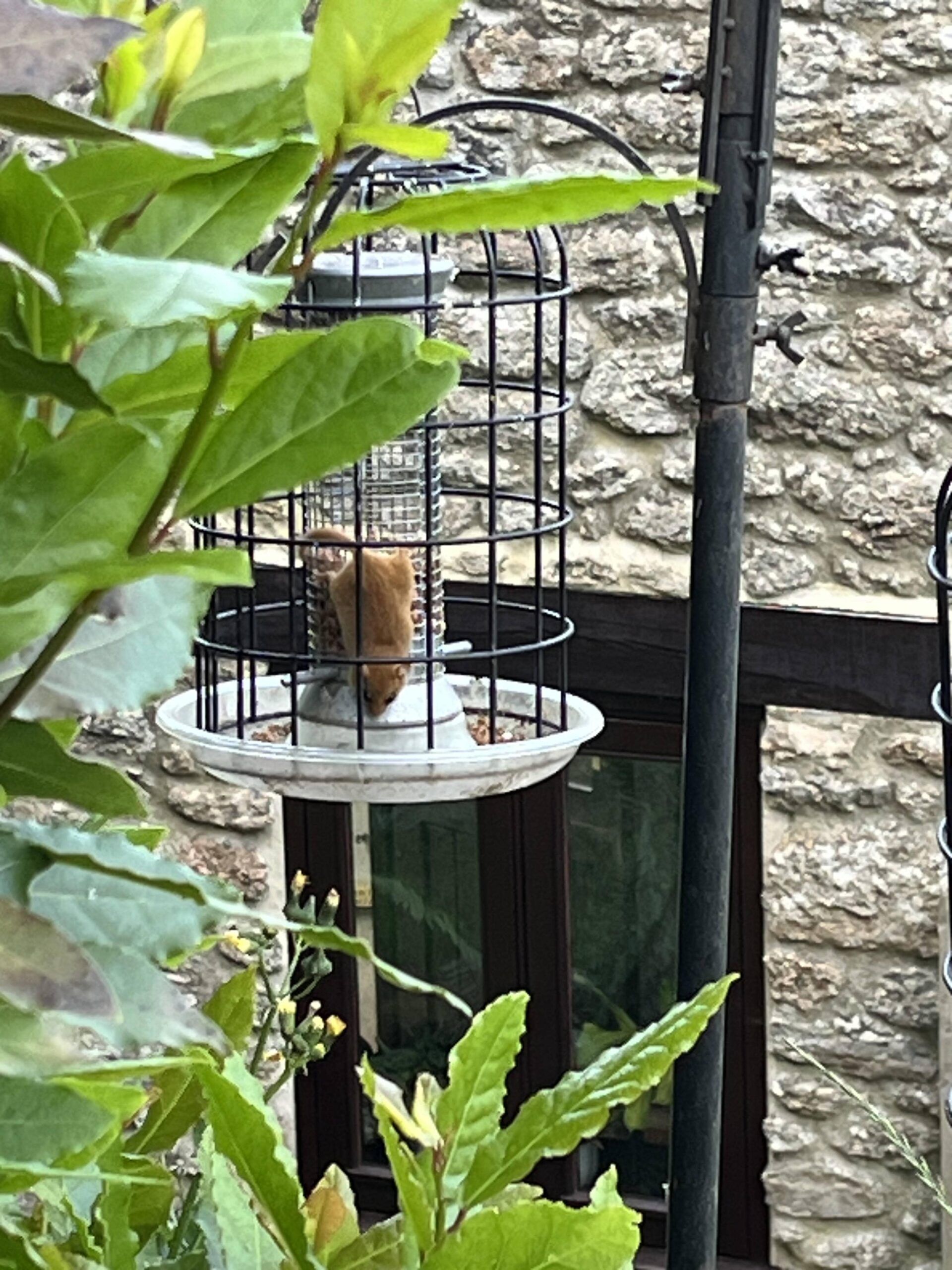
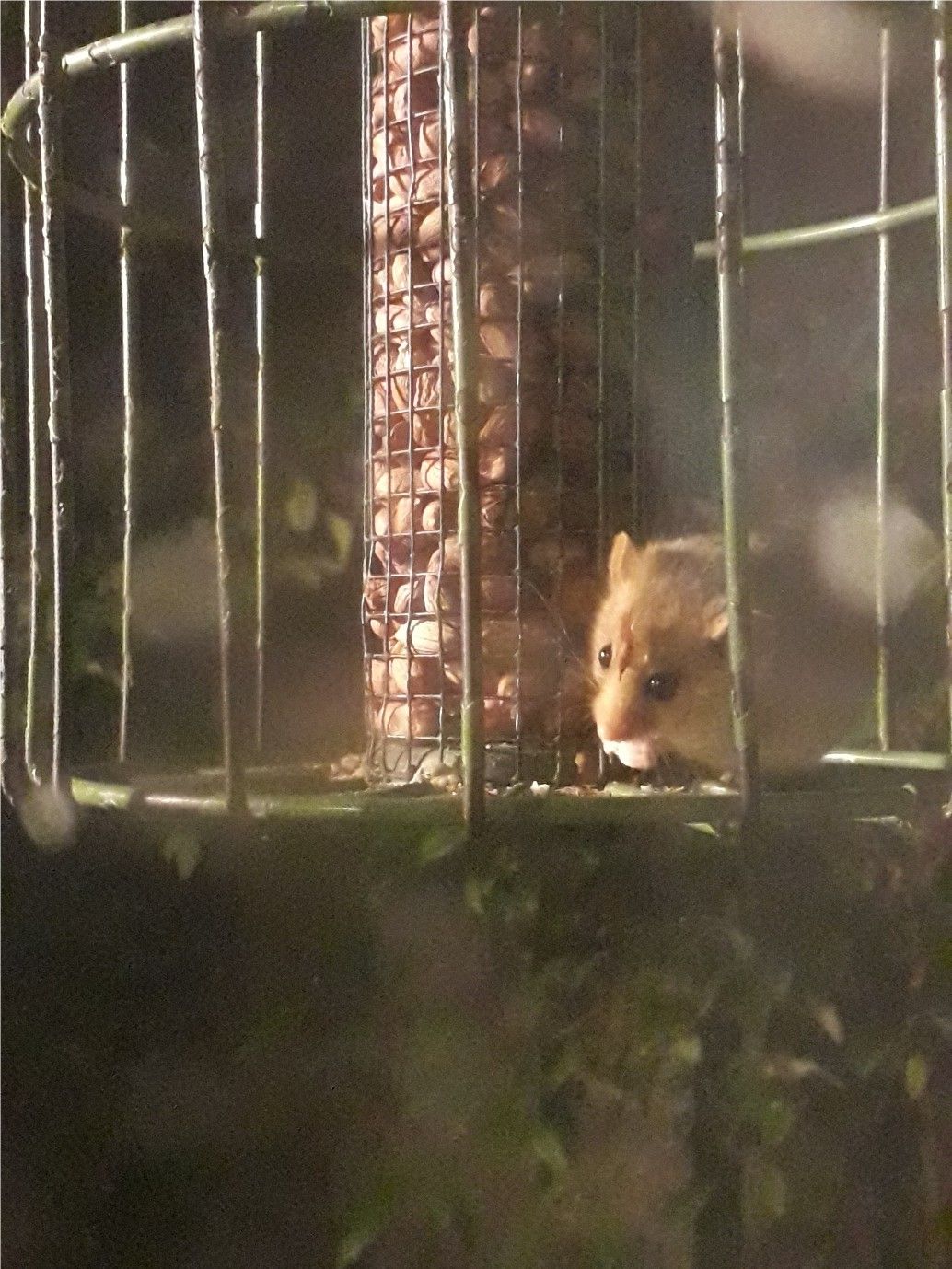
Dormice are known to take advantage of easy food sources, even those outside their usual diet. They occasionally visit bird feeders, though they usually do so under cover of darkness. During the COVID lockdowns, reports of dormice on bird feeders increased, probably not because the animals changed their behaviour, but because more people were watching.
They’re most likely to appear in gardens that are connected to suitable habitat, such as hedgerows, scrub, or woodland edges. Gardens on the outskirts of towns or villages are particularly promising, especially if they link to wider green corridors or are near railway or roadside embankments with scrubby vegetation.
How to take part
You can take part in the bird feeder dormouse survey by watching your garden bird feeders this autumn. Dormice are most active in the late summer and autumn months, when young animals are dispersing and adult numbers are at their highest. This makes September through to November the best time to look.
The ideal time to watch is around dusk, about thirty minutes either side of sunset, or a little later while there’s still enough light to see what’s on your feeder. In October, sunset is around 6pm; by November, once the clocks have changed, it’s closer to 4pm.
Keep a camera handy in case you spot something, or, if you have a wildlife camera, set it to record your feeder overnight through September and October.
How do I submit my results?
If you’re lucky enough to record a dormouse on your feeder, please send your photos and details to ian.white@ptes.org. Include your name and email address, the postcode or address of the sighting, the time it was seen or recorded, and the type of food in the feeder (for example, peanuts or bird seed mix).
Every record helps us understand more about where dormice live, how they use gardens and bird feeders, and where they might have been quietly surviving for years.
Header image credit Shelagh Nelmes, Bruce Wright, Helen Hunter.