A special thank you to Wildwood Kent and Jazz Woollard for contributing this article.
In August, we announced a new project at Wildwood Kent that is improving how small mammals are monitored across the UK. The project aims to develop a faster, non-invasive way to identify small mammal species and understand their population dynamics, without disturbing their natural behaviour.
Funded by People’s Trust for Endangered Species, the project is building a baseline dataset of small mammal footprints. These images will be used to train an existing AI-based Footprint Identification Technology (FIT), developed by US-based non-profit conservation organisation WildTrack. Once trained, the technology could recognise UK small mammal species from their tracks alone.
Moving towards non-invasive tracking
Understanding small mammal populations is a key part of many conservation projects, but the traditional method of trapping and handling animals to gather data on which species are in a given area, is time-consuming, requires specialist skills and is somewhat invasive. A faster, non-invasive alternative to wildlife monitoring will therefore be of great benefit, and so far, we’re on track to achieve this.

While trapping the animals is necessary for this project, as we need to collect data including sex, weight and life stage from known individuals, our aim is to make the data collection process itself as non-invasive as possible.
The project highlights the importance of animal behaviour welfare observations in data collection
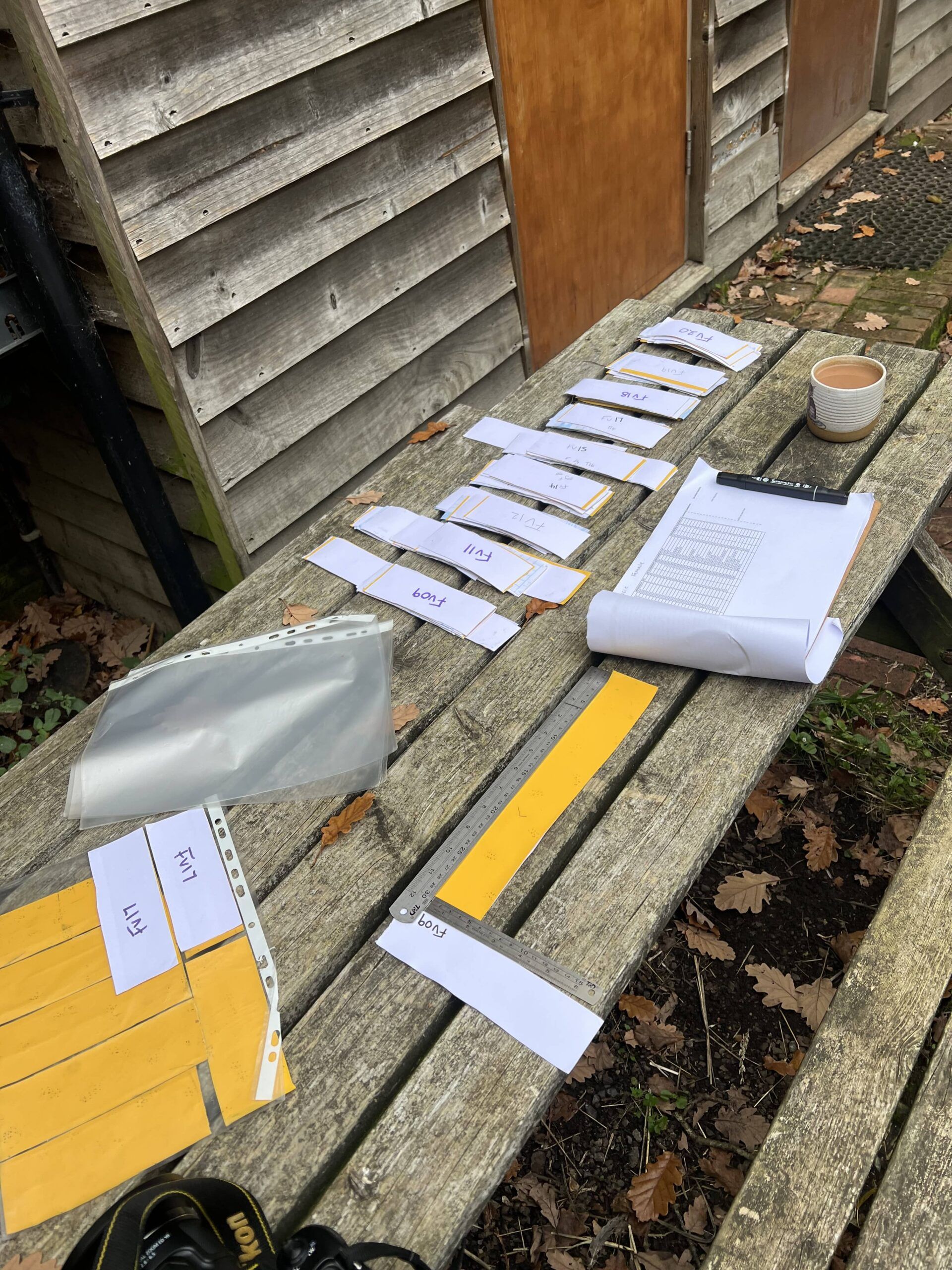
Wildwood intern, Jazz Woollard, is using footprint tunnels to collect the data using charcoal powder and sticky paper. As animals walk through the tunnel, charcoal from their feet is transferred onto the paper, leaving behind clear footprints for analysis. The animals’ behaviour and welfare is Jazz’s top priority, so when she observed some stress related behaviours early on, she redesigned the box tunnel.
The new design has reduced the presence of stress related behaviours and, by enabling them to do two runs at once, also reduced the handling time and doubled the prints being collected. This focus on welfare has improved the animals’ behaviour and the quality of the prints being collected, and won Jazz praise from Wildtrack and PTES. This is a great example of how considering animal behaviour can not only improve animal welfare but also the quality of the data collected.
Six of seven species tracked so far

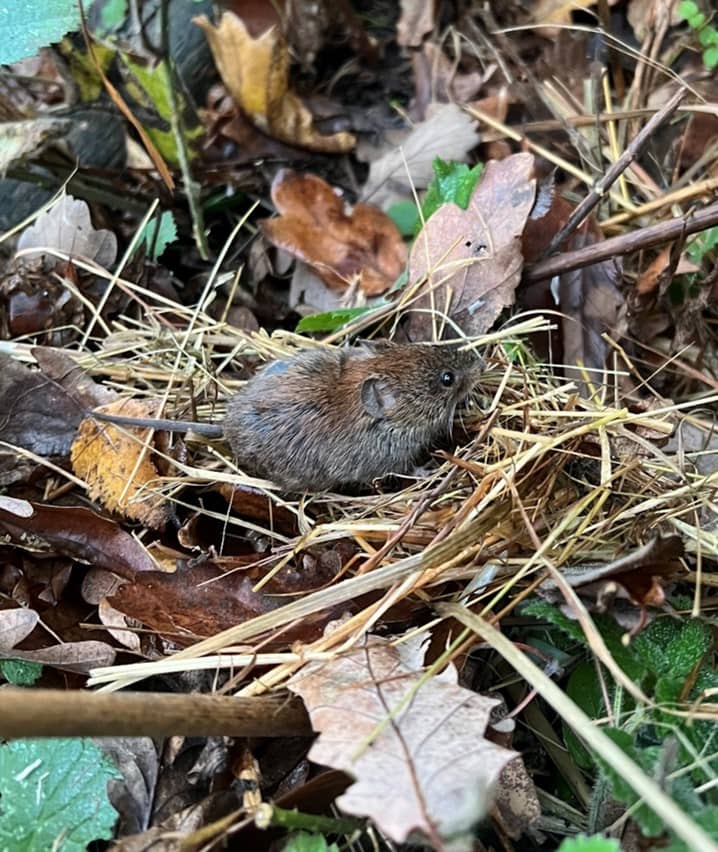
Jazz has already taken 1,600 photos of footprint track plates she has collected and will continue to collect prints until mid-February. While collecting prints, animals are given a little hair cut so we know if we recapture the same individual, this is called capture mark recapture. Jazz has collected prints from 22 individual field voles, one of which has been through the process nine times and been given the name Notch after a notch on his ear! Notch is a great advocate for the methodology, having been trapped so many times, this shows that we haven’t caused a level of stress that would prevent him from entering the trap again and again. Prints have also been collected from 27 bank voles, as well as pygmy shrews, water shrews and wood mice. Jazz is also planning to go to the British Wildlife Centre to collect prints from captive harvest mice there.
We still need data for the common shrew, so to target these, Jazz will be relocating the traps and enticing them with food they’re known to like.
The animals are trapped during the day only, using a Longworth trap filled with plenty of hay and food. They are handled briefly to sex and weigh them then gently encouraged through the footprint tunnel before being released.
For each species, the aim is to collect prints from as many individual animals as we can. Images of the tracks are programmed into the FIT technology to look for patterns and distinctive characteristics between same-species footprints.
The potential impact
If successful, this project could transform small mammal monitoring in the UK. Conservationists could deploy footprint tunnels in survey areas, photograph the tracks collected, and use FIT to quickly and accurately identify species – and potentially, in future, even determine sex.
This would allow researchers to better understand population dynamics while reducing reliance on invasive methods. It could also make small mammal surveying accessible to a much wider audience, opening the door to new citizen science projects.
Wildwood and project partners PTES and WildTrack are delighted with progress so far, and congratulate Jazz on developing a footprint tunnel design that could serve as a model for others. We’re excited to see where the project goes next and will share another update later in the year.
January 6th, 2026