Meet Martin Roche: dormouse monitor
In this series, we chat to the dedicated staff members, conservation partners and volunteers at PTES. We find out why each of them chose a career in wildlife conservation, what they find rewarding about their work and what they love most about what they do.
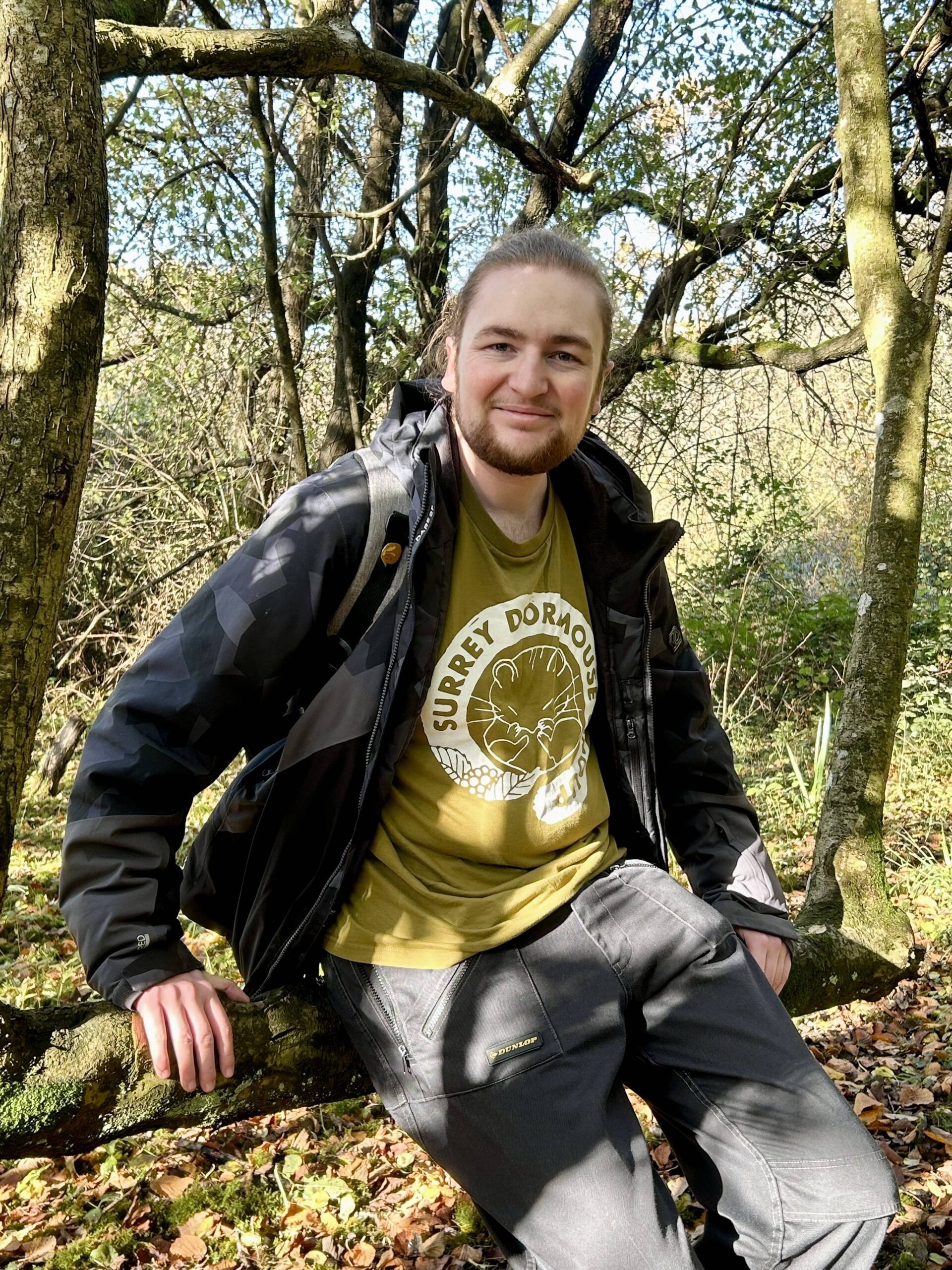
Martin Roche
Dormouse monitor in Surrey
Tell us about yourself and the site you monitor
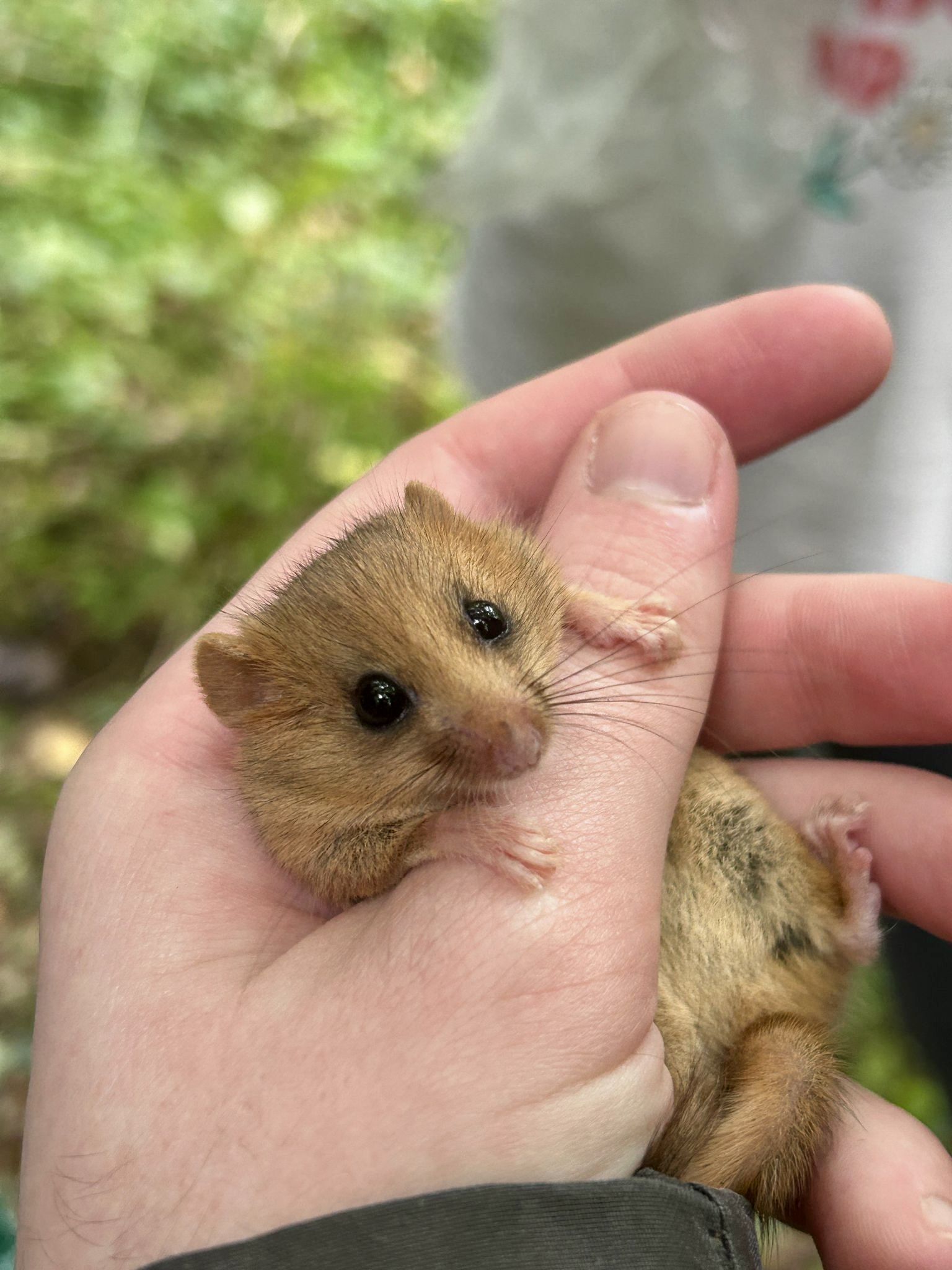
I began my ecology career in 2017 and I joined Surrey Dormouse Group (SDG) at a similar time to learn more about dormice with the aim to get my dormouse licence. I had never even seen a dormouse prior to joining SDG and knew very little about them. I became friends with Kathryn Killner, who monitors a NDMP site at Norbury Park and I went on my first dormouse check with her. I got to see and handle my first dormouse at Norbury Park and I was hooked. It didn’t take long for me to fall in love with dormice and going out to different sites across Surrey with like-minded, enthusiastic SDG members to survey for them.
Norbury Park is located in Surrey, situated within the Mole Gap to Reigate Escarpment SAC/SSSI, which is designated for supporting populations of rare plants, invertebrates, birds, bats, and hazel dormice.
Kathryn became my licence mentor and during my training I became invested in the dormouse population at Norbury Park and felt like I knew the individual dormice personally. I received my dormouse licence in 2019 and when there was an opportunity to establish another NDMP site at Norbury Park in 2022, I jumped at the chance to be the site monitor.
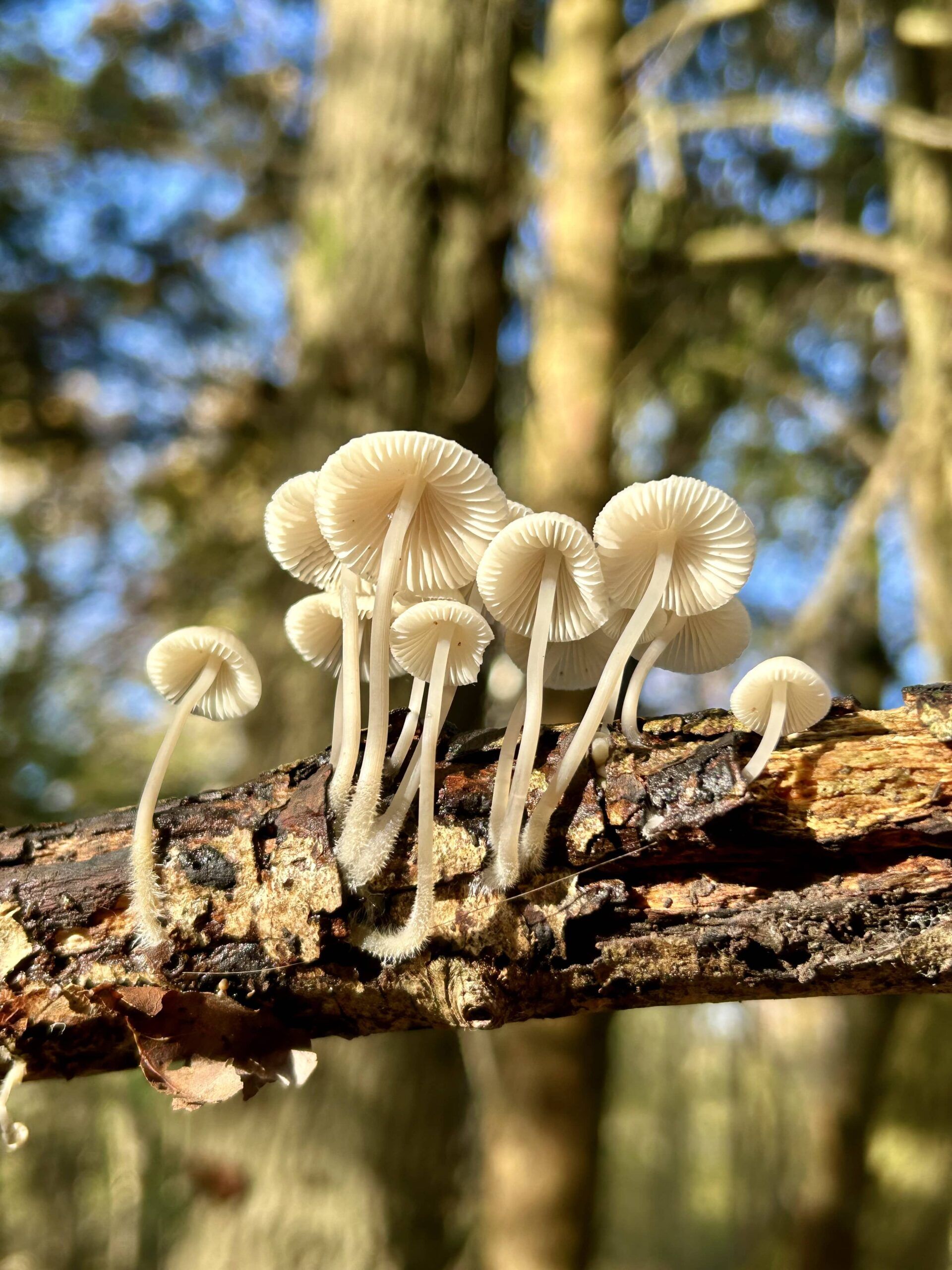

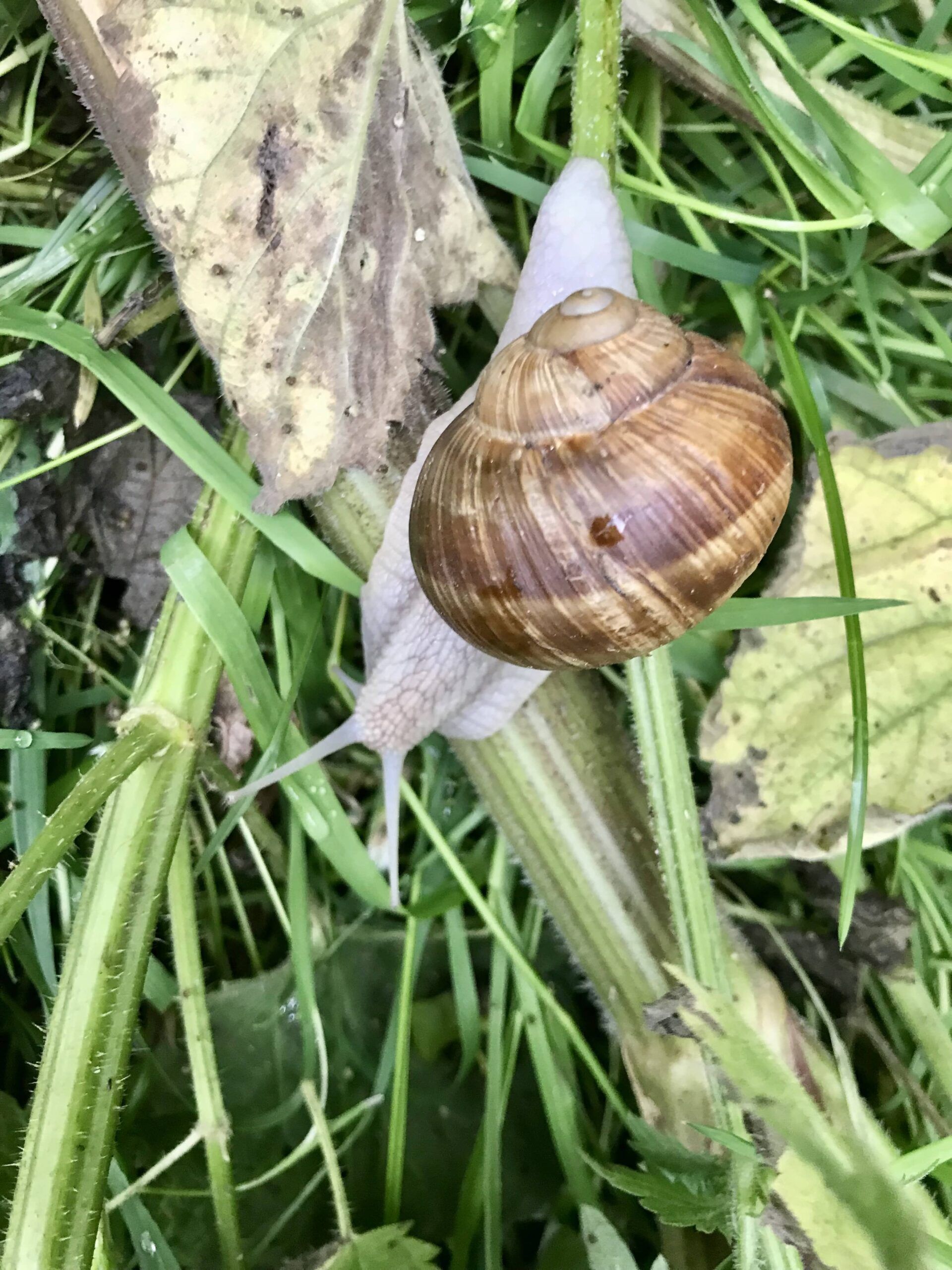
Norbury 2 was established in July 2022 and in November of the same year we found our first dormouse. I was overjoyed and had never expected to find dormice so quickly. In July 2023, we found our first signs of breeding dormice, a female in a nest with three juveniles. Since then, we’ve consistently found dormice at all life stages, from pinks through to adults. The most we’ve found in a single visit was 16 dormice and a further six empty nests. Norbury 2 has been very successful and exceeded all my expectations. It’s not lost on me how valuable and fortunate it is to find such a healthy population of dormice, a species which has seen sharp population declines across the UK over a short period of time. Norbury 2 is also home to Roman snails, fly orchids, and a rich diversity of fungi.
What are the challenges at the site?
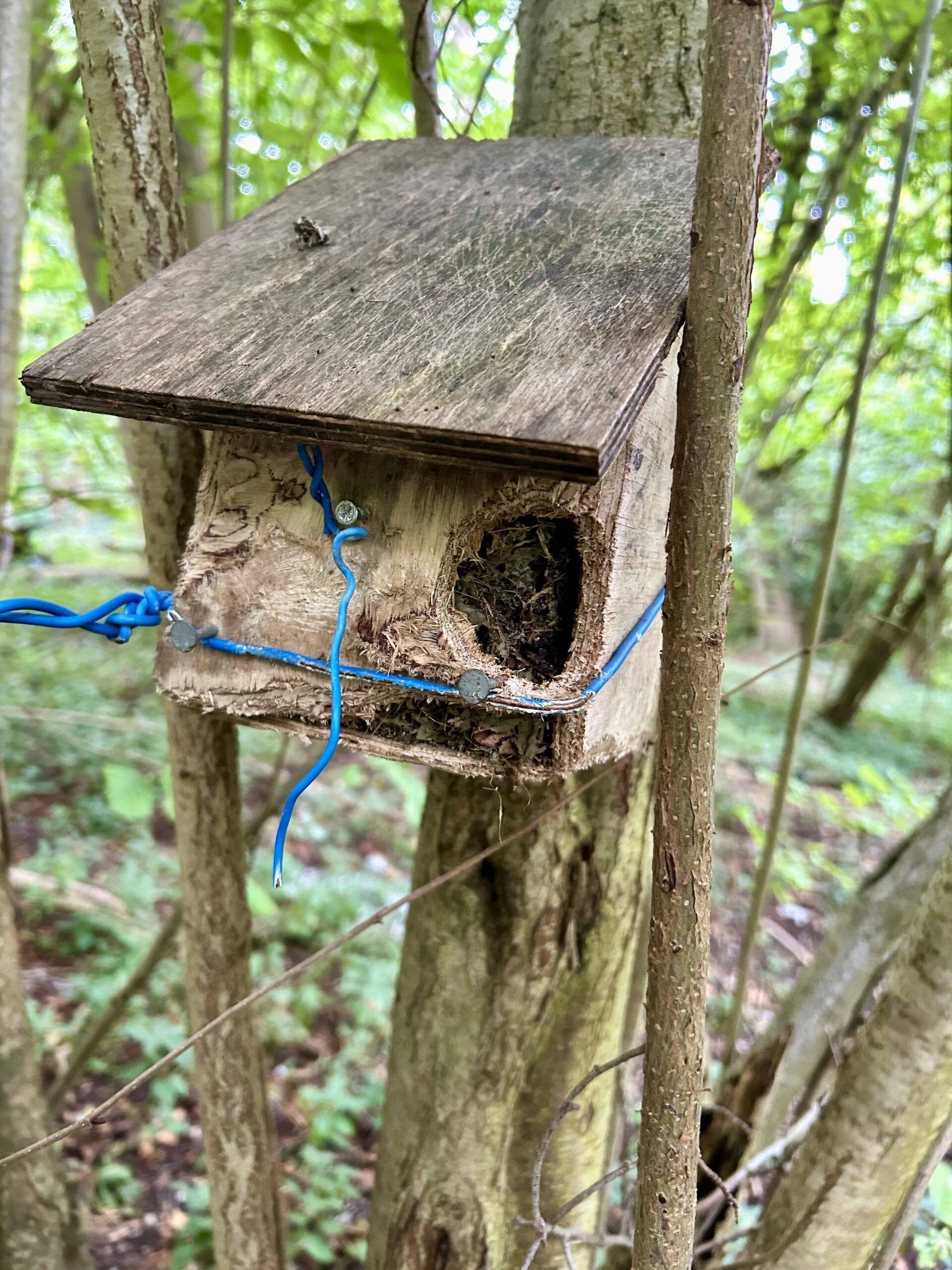
Grey squirrels or as I like to call them ‘tree beavers’! There is a large population of grey squirrels at the site and they like to chew the dormouse boxes. They cause so much damage to the boxes that they need replacing regularly, hence the ‘tree beaver’ moniker. One time I installed a dormouse box and a month later the new box needed replacing because the squirrels had damaged it so badly. I’ve tried installing boxes made by different manufacturers thinking there is something about the boxes I was using that was attracting the squirrels, but they continued to chew the boxes indiscriminately. I’m not sure why this is happening because the squirrels do not touch the boxes at Kathryn’s neighbouring dormouse site. I don’t believe the squirrels are trying to get into the boxes because they even target boxes that have never had any bird or dormouse nest in them. It’s all a bit of a mystery and a massive nuisance.
What’s the most memorable day you’ve had looking for dormice?
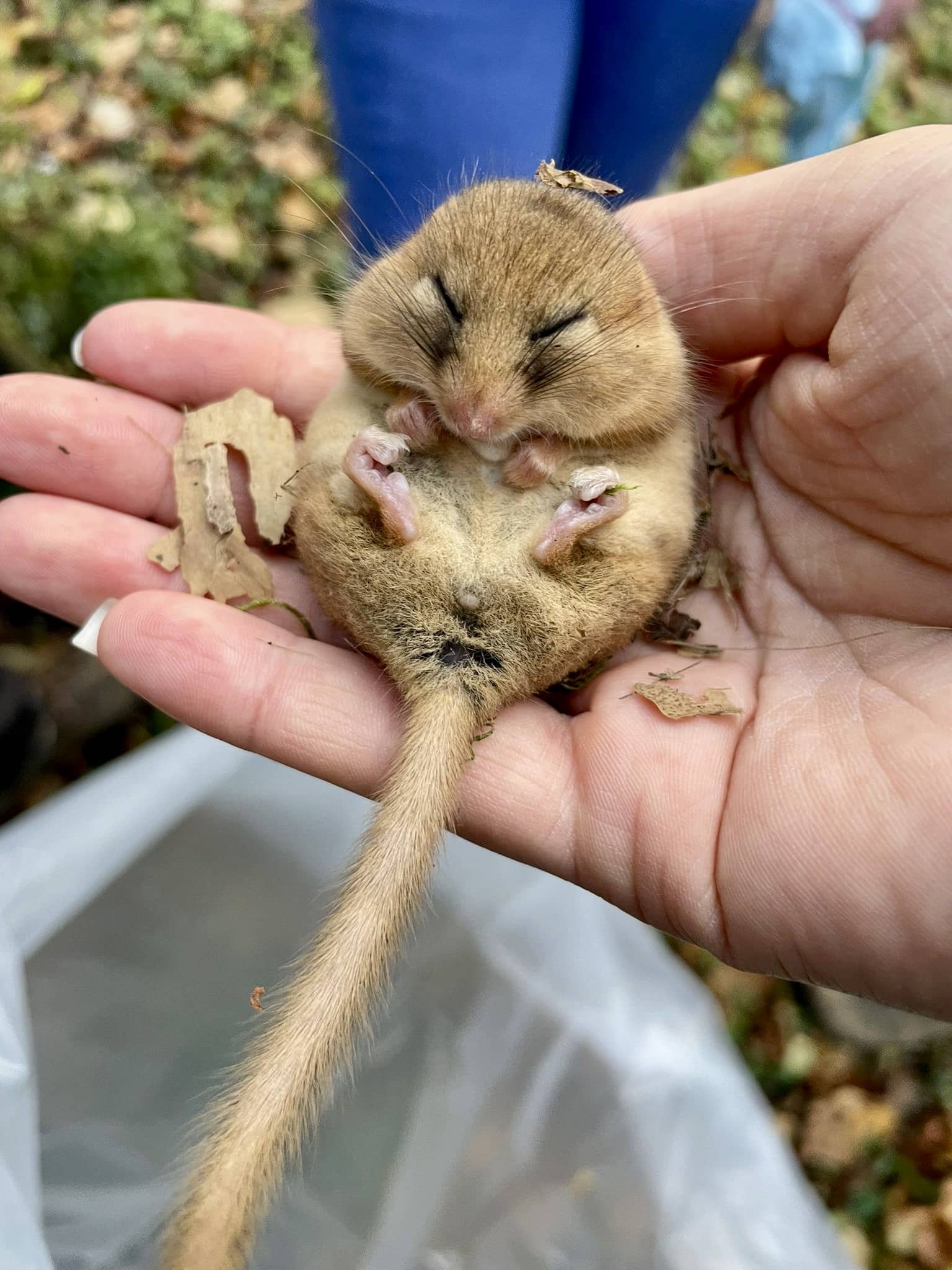

During my licence training, me and my friend were checking a dormouse box that we suspected had dormice inside. My friend placed the box inside the sack, which I was holding open, reached in and opened the box. This dormouse jumped out, shot up my friend’s arm, ran across her shoulders, jumped onto and up my arm, ran across my chest, sat on my shoulder before jumping onto the tree and disappeared up into the canopy. I learned a valuable lesson from this comical escape, which is to not underestimate the speed and climbing ability of a dormouse!
Tell us something about you we wouldn’t expect from a dormouse monitor
I tell people being a dormouse monitor is good for the soul. As an ecologist working for a consultancy, I frequently work on projects that largely see areas of greenery lost to development, which can be disheartening. I get a bittersweet feeling whenever I find a protected species on these projects because although I’m initially excited, I realise more often than not, this species will have to be moved to facilitate the development. Being a dormouse monitor provides that balance, I can walk through the woods with a group of enthusiastic volunteers and find dormice with no bittersweet feeling, just excitement. I find the stresses and worries of working on a difficult project or with a difficult client melt away when I go on dormouse checks, especially when we find dormice! I also find it very rewarding whenever I have a volunteer with me who has never seen a dormouse before and they find their first dormouse. It reminds me of being in their position on Kathryn’s dormouse check back in 2017 and seeing my first dormouse.
Header image credit Kozma 94 | shutterstock.com. In-text images credit Martin Roche.