
Meet Lisa Wood: dormouse monitor
In this series, we chat to the dedicated staff members, conservation partners and volunteers at PTES. We find out why each of them chose a career in wildlife conservation, what they find rewarding about their work and what they love most about what they do.
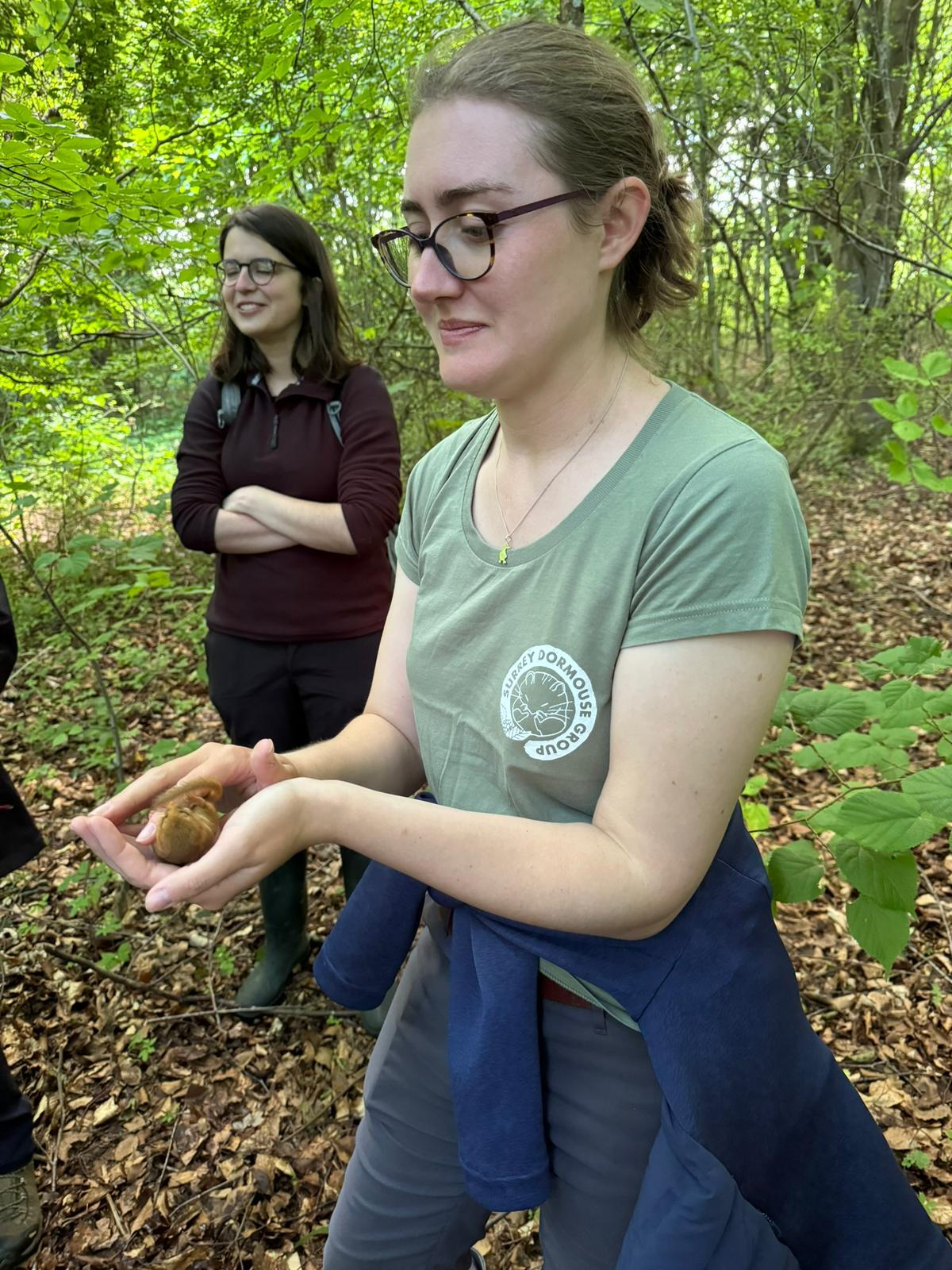
Lisa Wood
Dormouse monitor in Surrey
Tell us about yourself and the site you monitor
I’ve been involved with the Surrey Dormouse Group (SDG) since 2019, steadily gaining experience across many of the SDG sites and under their mentorship programme, before being granted my own survey licence in 2023. I currently work at a local ecological consultancy in Guildford but prior to this I graduated from the University of Exeter with a degree in Biological Sciences, then volunteered for about a year with the Dorset Wildlife Trust. It was at the DWT that I had my first experience in dormouse surveys and saw my first dormouse!
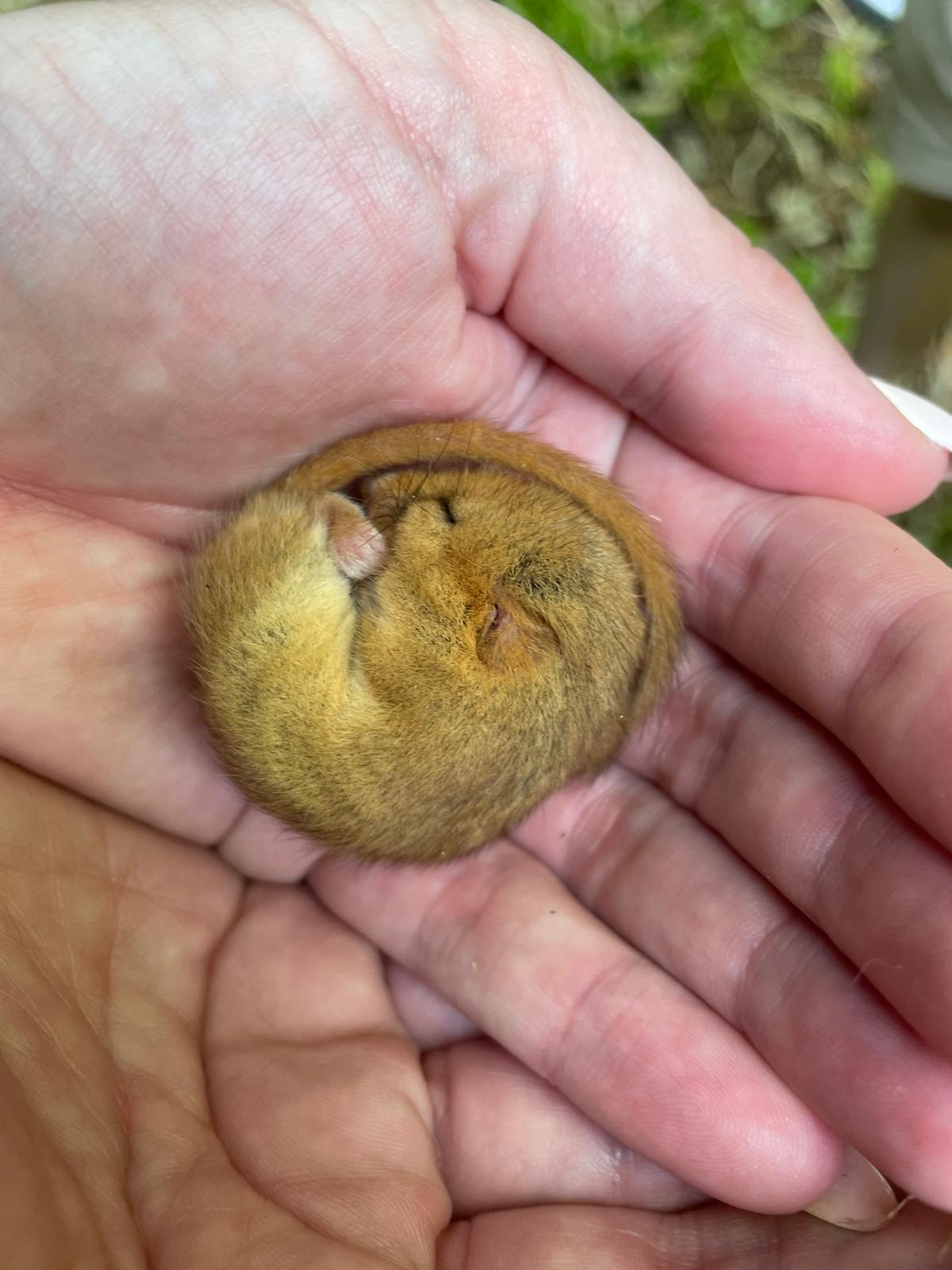
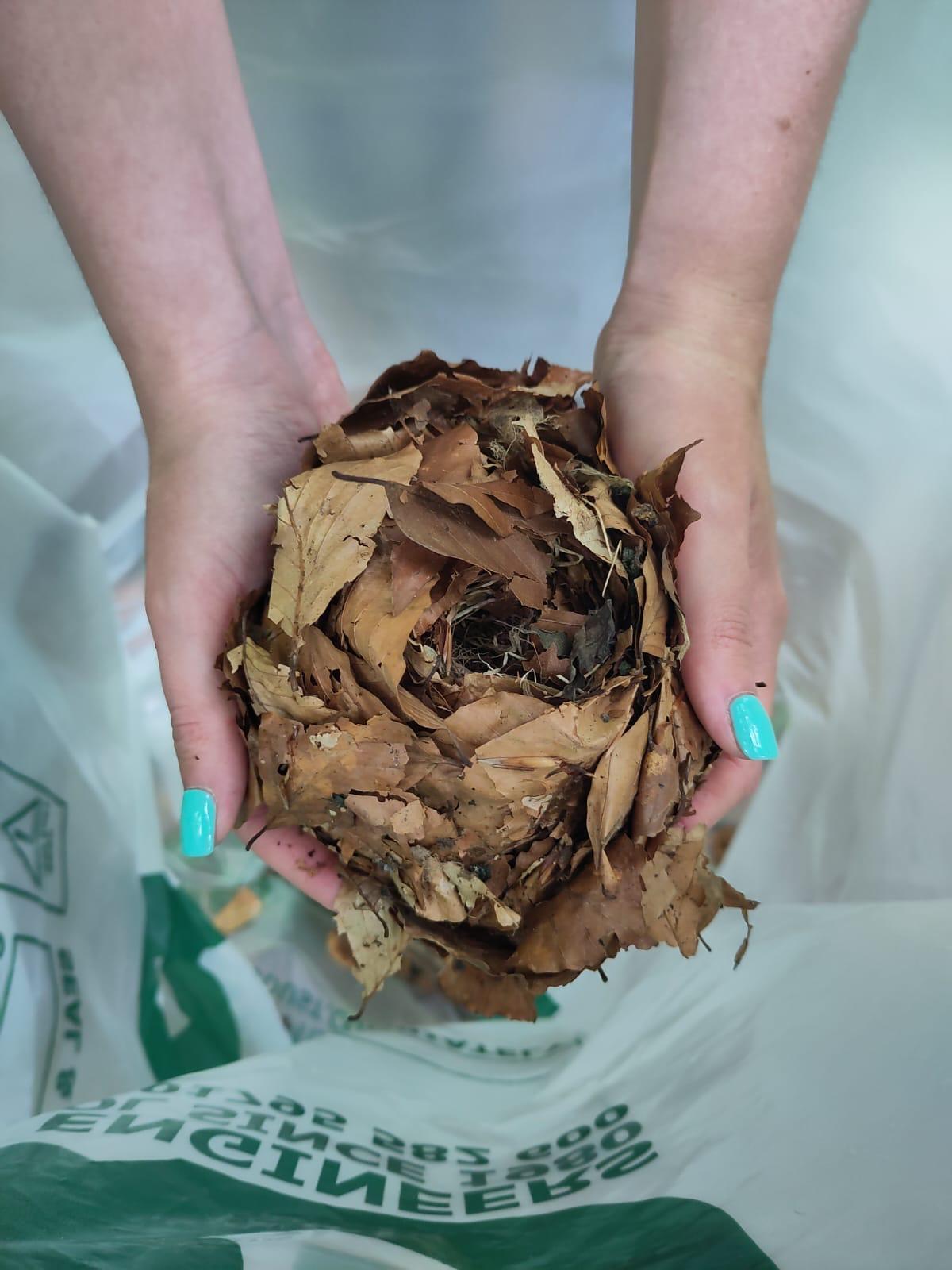
The site I monitor is at the National Trust Hatchlands Park estate, near Guildford. Across 2018 and 2019, only one dormouse and two dormouse nests were recorded at the site. In 2025, we recorded dormouse 25 times across eight checks, and an even larger number of dormouse nests. The boxes are installed across a mixture of younger plantation woodland and hazel coppice. The dormice at Hatchlands seem to enjoy making nests out of moss which I think is quite unusual.
How long have you been monitoring for?
I took up responsibility for the Hatchlands Park dormouse monitoring in May 2024. Roman Zischka, a National Trust Ranger, and I had to find the old nest boxes and install new ones ready to start monitoring afresh! I have been a regular attender of NDMP surveys since 2019 and regularly undertake dormouse nest tube and box surveys as part of my professional life.
Describe your woodland and why it’s special to you
I feel hugely privileged volunteering at Hatchlands, as the monitoring boxes sit within a beautiful and historic estate, where its obvious that Roman and the ranger team care about the local ecology. Their careful management of the site with wildlife in mind, speaks for itself with the sturdy population of dormouse recorded over the last year and a half within the site. The staff on the Hatchlands site could not be more welcoming – at the end of each check, we make sure to show the National Trust staff and volunteers our findings, as they love seeing the photographs of the dormice just as much as we do at the SDG!
What are the challenges at the site?
As the site was not monitored for five years, the dormice may not be so used to disturbance during monthly box checks. We therefore try to be as careful as possible, ensuring no escapees during box checks, and limiting the time we are removing the dormice from the boxes for.
What’s the most memorable day you’ve had looking for dormice?
In 2024 we had 11 dormice (eight babies) recorded on one check! Before I came to Hatchlands, I had rarely seen more than one dormouse on a check, if any, so getting 11 all at once was lovely.
Tell us something about you we wouldn’t expect from a dormouse monitor
Despite growing up in Surrey and only living about 20 minute drive from my current monitoring area, I had no idea of the existence of dormice until I was about 22! Since then I’ve absolutely fallen in love with them and can’t imagine my life without my monthly monitoring checks where I can share my love of dormice with others. I am also (even after this many years) still a bit apprehensive with every dormouse box I open, as there might be an explosion of woodmice out of the box, which makes me jump without fail.
Header image credit a Beata | Shutterstock. In-text images credit Lisa Wood.