
- The State of Britain’s Dormice 2026 report finds native hazel dormice have declined by an average of 3.5% each year since the millennium
- The report also reveals that between 2020-2025 the national population has risen by almost 10%, but despite this glimmer of hope, the baseline population level remains critically low
- The recent upward trend coincides with warmer, drier summer weather, but more research is needed to understand the reasons for this recovery and whether it can be sustained
- Ongoing monitoring of different habitats, the consequences of a changing climate and how habitat management can mitigate these impacts, is critical for long-term recovery
Today, 9th November, a landmark report – the State of Britain’s Dormice 2026 – reveals that Britain’s native hazel dormouse population has declined by 59% since 2000.
The new report, published by wildlife charity People’s Trust for Endangered Species (PTES), also found that despite this stark historical decline, the national population has increased by almost 10% between 2020-2025 potentially due to warmer, drier summer weather patterns. However, despite this glimmer of hope, dormouse numbers remain critically low, underlining the urgent need for continued monitoring and ongoing conservation efforts to understand the reasons for this recovery, and whether it could be sustained.
Data collected for this report is from PTES’ National Dormouse Monitoring Programme (NDMP) – the longest running small terrestrial mammal monitoring programme in the world – and is the most up to date and comprehensive overview of its kind, superseding all previous reports.
Ian White, Dormouse and Training Officer at People’s Trust for Endangered Species said: “Our findings offer grounds for cautious optimism for dormice, and although the recent upturn is welcome good news, we mustn’t lose sight of the bigger picture: populations remain almost 60% lower than they were in 2000. This protected native species still faces significant challenges, and urgent, sustained conservation action is essential. Creating more wooded, species-rich habitat is critical, as is reconnecting the woodlands, scrub and hedgerows that dormice rely on, to give the species the best possible chance of long-term, sustained recovery.”
The reasons for the long-term decline remain unchanged: loss and degradation of woodland, scrub and hedgerow habitat, poor woodland and hedgerow management, and climate change. However, the new report highlights how changing weather patterns may be influencing dormouse populations and offers a possible explanation for the recent recovery in numbers.
Between 2020-2025 central England experienced warmer, drier springs and summers on average than in the previous five years, with spring 2025 being exceptionally warm and dry. It’s possible the higher temperatures and lower rainfall may have increased the availability of fruit and flowers, providing dormice with more food and therefore enabling them to breed more successfully. Research has also found that dormice enter torpor (short periods when they slow their metabolic rate to save energy) more frequently during cold, wet weather. At NDMP sites where torpor was more common, fewer adult dormice and litters were recorded, meaning the milder, drier conditions of recent years may be contributing to the increase in dormouse records.
This idea is supported by a new study by Dr Charlotte Armitage which uses data from the NDMP and was funded by RWE Renewables. Dr Armitage and colleagues investigated how the frequency of short torpor in hazel dormice might change by 2080, and found that warmer, drier summers (like those seen in 2020-2025) could mean dormice enter torpor less frequently. As warmer conditions reduce the need for dormice to use torpor as an energy-saving mechanism, they may be able to allocate more energy to reproduction, potentially leading to higher breeding success under future climate scenarios.
While these findings offer a possible positive outlook as Britain’s summers are projected to become warmer and drier, the authors caution that many other factors such as food availability, habitat and hibernal survival will also determine population persistence. The State of Britain’s Dormice 2026 report similarly cautions that the long-term effects of climate change on dormice remain uncertain, and while warmer weather may offer some benefits, prolonged droughts could reduce food availability before hibernation and unusually mild or wet winters could threaten their over-winter survival.
Dr Armitage’s paper, Climate-driven dynamics of torpor in hazel dormice: implications under future climate scenarios, is due to be published in Oecologia in November.
PTES is at the forefront of hazel dormouse conservation and continues to tackle the decline through a range of conservation initiatives, with help from dedicated volunteers and partner organisations. As well as running the NDMP, PTES leads an annual reintroduction programme that has seen more than 1,200 dormice released into 27 woodlands in 14 counties since 1993, restoring populations in six English counties where dormice had been lost. Wider conservation efforts include large-scale landscape projects to restore and reconnect woodland habitats, planting hedgerows to provide safe passage between sites, monitoring dormice in non-woodland habitats using footprint tunnels, funding vital research and training land managers to create suitable and sustainable environments. PTES is currently developing a National Dormouse Conservation Strategy to support the long-term survival of this threatened native species.
Nida Al-Fulaij, CEO at People’s Trust for Endangered Species said: “The recent population increase offers hope that three decades of conservation efforts are beginning to make a difference. From reintroductions and long-term monitoring to habitat restoration, research and landscape-scale projects, we’ve worked tirelessly to give Britain’s dormice a future. But dormice are far from out of danger. Recovery on this scale takes time, and we need sustained investment and a much greater national effort to build on the recent upturn and progress made so far, to ensure this much-loved mammal has a secure future.”
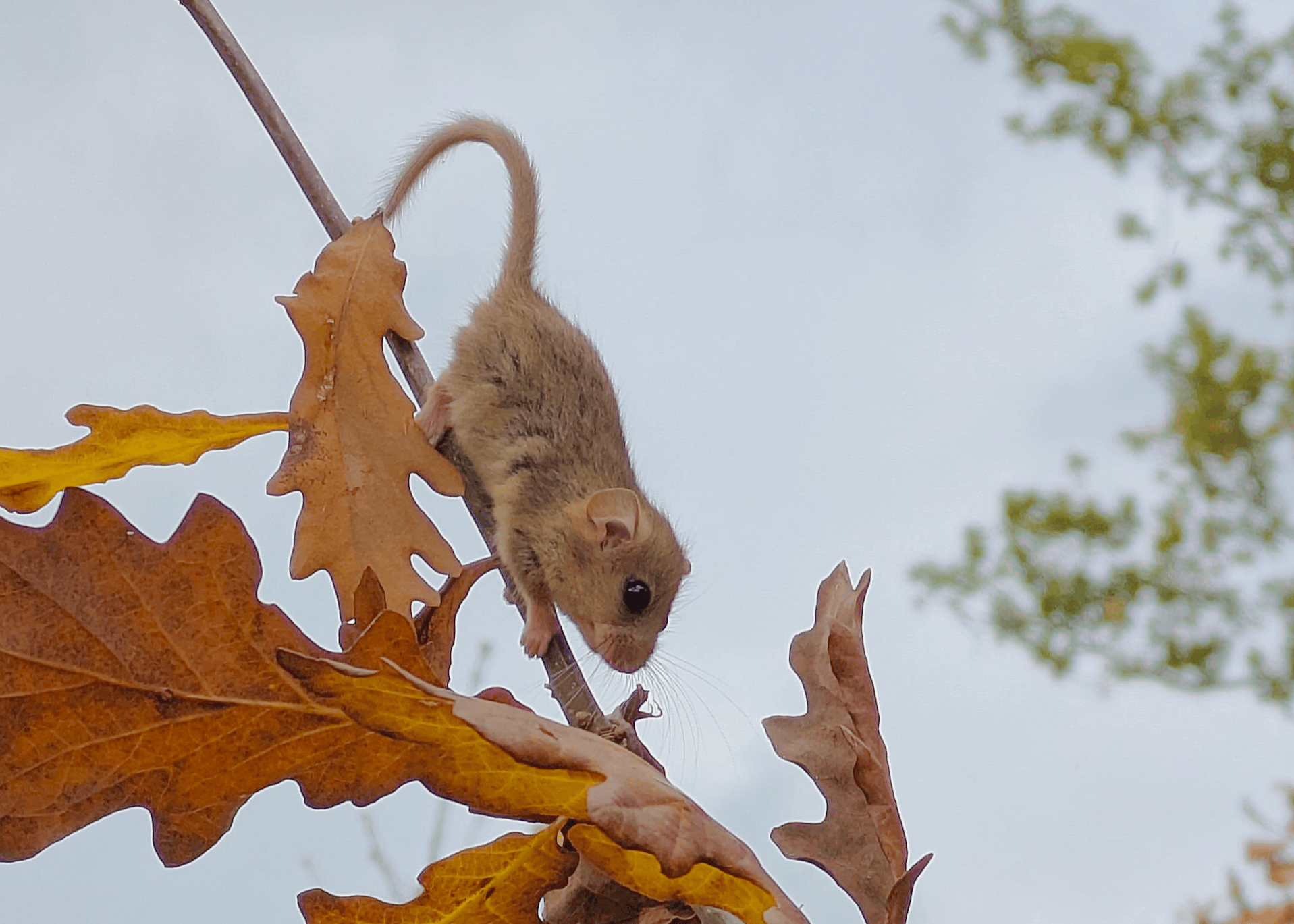
Hazel dormice are charismatic native rodents, recognisable by their caramel-coloured fur, big black eyes and distinctive fluffy tails. A flagship species for woodland and hedgerow conservation, their presence indicates healthy, well-managed habitats rich in wildlife. Yet, despite playing a vital role in our ecosystem for millennia, they remain locally extinct in 20 English counties since Victorian times and are classified as ‘Vulnerable’ to extinction in Britain on the IUCN Red List of Threatened Species.
To read the State of Britain’s Dormice 2026 report visit www.ptes.org/sobd2026.
To find out more about PTES’ national dormouse conservation work, visit www.ptes.org/dormice.
– ENDS –
For high-res images, or to arrange interviews, contact Adela Cragg:
T: 07532 685 614
Notes to editors
- Ian White, Dormouse & Training Officer, People’s Trust for Endangered Species
- Nida Al-Fulaij, CEO, People’s Trust for Endangered Species
- Dr Charlotte Armitage, founder of Seral Ecology and author of Climate-driven dynamics of torpor in hazel dormice: implications under future climate scenarios
About People’s Trust for Endangered Species (PTES)
- PTES, a UK conservation charity created in 1977, is ensuring a future for endangered species throughout the world. We protect some of our most threatened wildlife species and habitats, and provide practical conservation support through research, grant-aid, educational programmes, wildlife surveys, publications and public events.
- PTES’ current priority species and habitats include hazel dormice, hedgehogs, water voles, noble chafers, stag beetles, traditional orchards, native woodlands, wood pasture and parkland and hedgerows.
- Visit www.ptes.org and follow PTES on Facebook, Bluesky, Instagram, YouTube and LinkedIn.
Images from top: Credit Clare Pengelly, Anna Pierlejewska