Menu
Home // Hedgerows // Hedgerows and climate change

Hedgerows and climate change
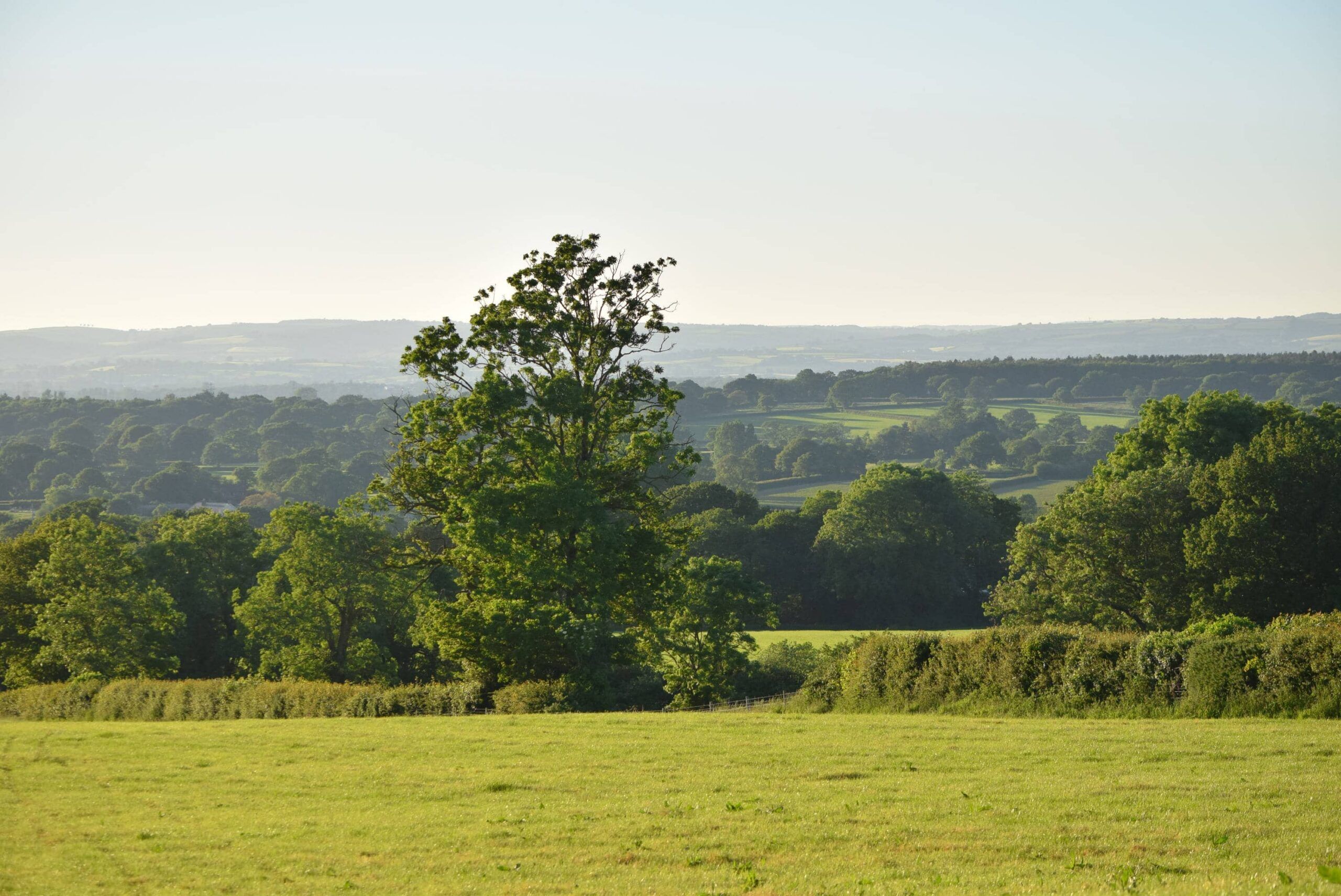
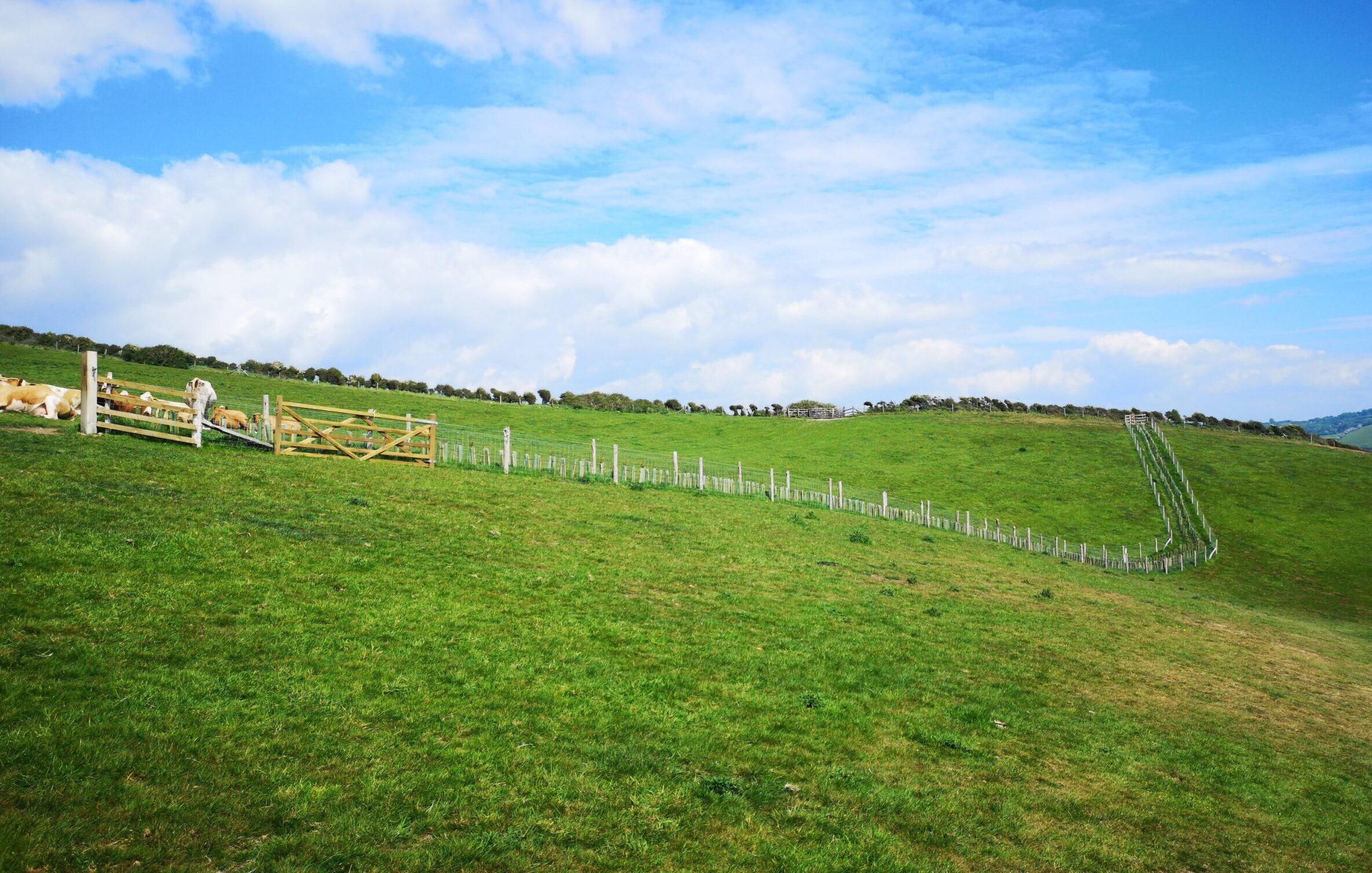
Hedgerows are one of the most effective tools farmers have to respond to climate change. They help farms adapt to more extreme weather, while also storing carbon and supporting wildlife. This page explains how hedgerows contribute to climate resilient farming, carbon storage, and how to design hedges that will remain effective in a changing climate. 

Hedges for climate-resilient farming

Climate change is already affecting UK farming systems. Increasing temperatures, more frequent heatwaves, stronger storms, drought and intense rainfall events all pose risks to food production, animal welfare and farm viability. Hedgerows can play a significant role in building climate resilience into agricultural landscapes. Taken together, these functions below highlight why hedgerows will be an increasingly vital component of climate-resilient farming systems. 

Shade and heat stress

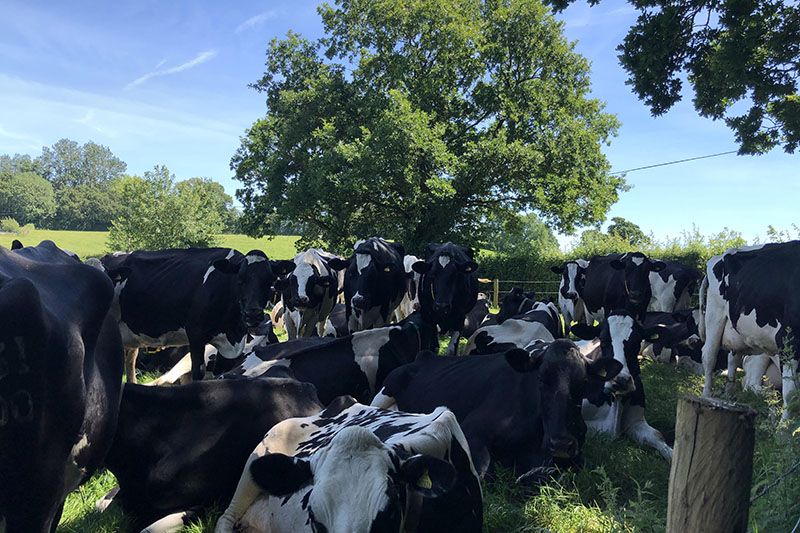
Cows-sheltering-from-sun-in-hedge-shade-hedgerow-tree-Megan-Gimber2

Longer and more severe heatwaves are expected. Hedgerows and hedgerow trees provide essential shade for livestock, helping to reduce heat stress, which is known to lower milk yields, impair fertility, slow growth rates and weaken immune function. These impacts affect animal welfare, farm productivity and long-term resilience. 

Planting new hedgerows or establishing new hedge trees to the south of where shade is required will maximise the in-field shade achieved. East to West aligned hedges are particularly effective, where practical.  

Shelter from extreme weather

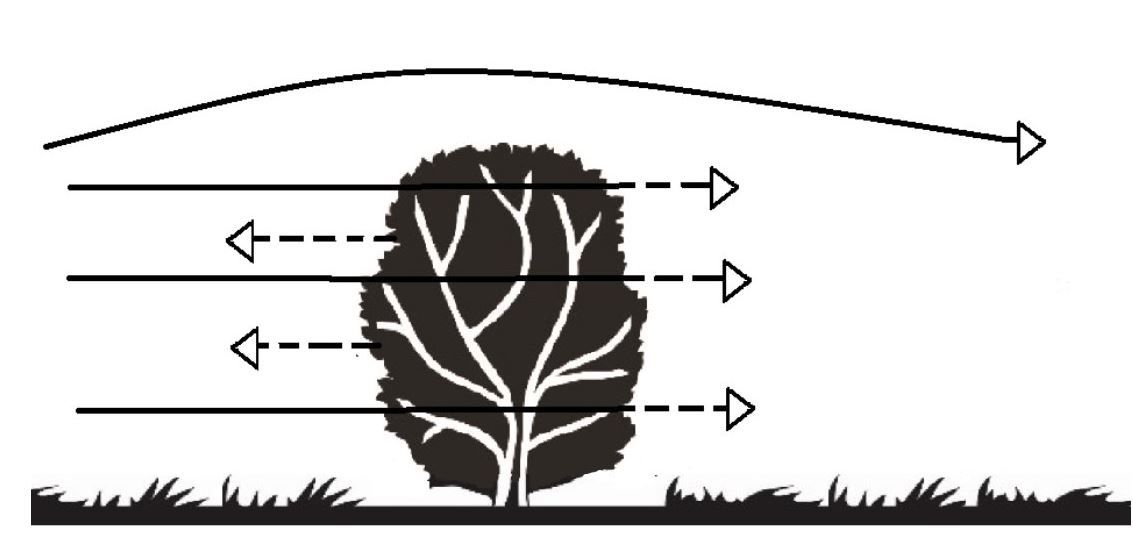
Climate change is increasing the frequency and intensity of storms. Well-designed hedgerows provide shelter from wind and driving rain. Livestock without shelter experience higher mortality rates and increased feed requirements. Hedge height, width and porosity can be managed to tailor shelter provision to local conditions and farming needs. 

Diet diversity and livestock health

Healthy livestock are more resilient to climatic stress. Hedgerows can contribute to diet diversity through browse, with many woody species containing compounds that support animal health. Livestock behaviour already demonstrates this value, with animals occasionally preferentially browsing hedgerows when given access.  

Extending the grass-growing season

Shelter and warmer microclimates adjacent to hedgerows allow grass to start growing earlier in spring and continue later into autumn. This can extend the grazing season, offering greater flexibility in livestock management and buffering seasonal variability. 

Microclimate regulation in arable and horticultural systems
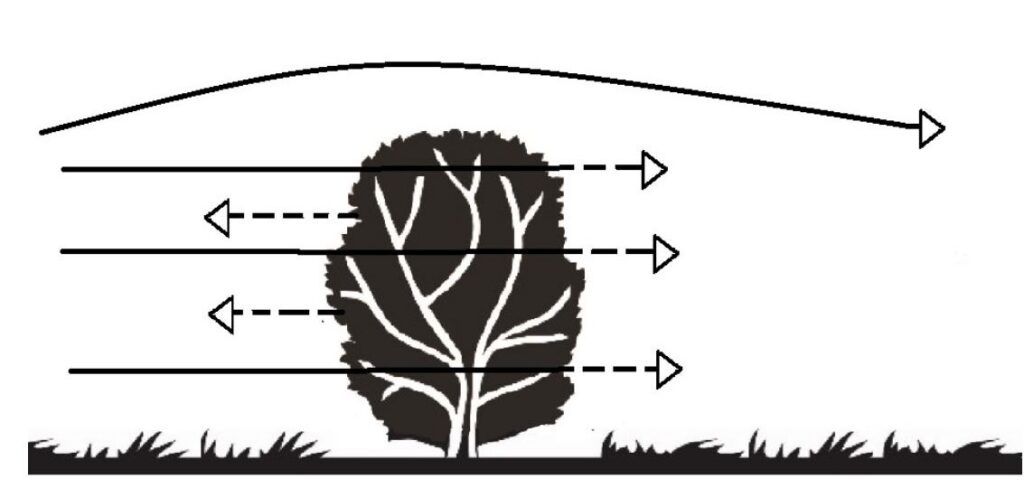
Hedgerows regulate temperature, humidity and evapotranspiration at field scale. In drier conditions, reduced evapotranspiration and the formation of humidity layers may lessen water stress on crops, helping farmers adapt to reduced water availability.

Functional biodiversity: pollination and pest control

Climate change and biodiversity loss are closely linked. Hedgerows provide essential habitat for pollinators and natural enemies of crop pests, supporting the ecosystem services that underpin productive farming systems. 

Water infiltration and soil protection

Periods of drought followed by intense rainfall increase the risk of surface runoff, soil erosion and pollution of watercourses. Hedgerow soils have improved structure and higher infiltration rates compared to adjacent fields. Roots also facilitate deeper water movement by providing trickle paths. Strategic hedgerow placement can slow water flow, reduce erosion and protect soil and water quality. 

Hedgerows for carbon sequestration and storage

Understanding hedgerows’ role in climate mitigation requires understanding where carbon is stored and how management influences storage over time. This is an active area of research, but current evidence shows that hedgerows, particularly old hedges, can store substantial amounts of carbon, more per hectare than forest. 

Where carbon is stored in hedgerows

Carbon is stored in: 

  • Hedgerow trees
  • Above-ground woody biomass
  • Roots
  • Soils beneath and adjacent to hedgerows 

Considering these components individually may help us increase the storage in our existing 400,000 mile network of hedges. Considering them together reveals the full scale of potential carbon storage possible by planting new hedges.

Research by Drexler et al. (2023) demonstrated that mature hedgerows can contain higher carbon stocks per hectare than your average forest. Much of this carbon is stored below ground, in roots and soils, rather than in visible woody material. 

Complementary research by Biffi and Chapman (2023) found that soils beneath and alongside hedgerows can store around 40 tonnes of additional carbon per hectare compared to adjacent grassland soils; a 40% increase in soil carbon. This pattern is consistent across different soil and climate conditions. 

Protecting existing hedgerow carbon stocks

Older hedgerows store significant amounts of carbon below ground. When hedgerows are removed, much of this carbon is released back into the atmosphere. Preventing hedgerow loss is therefore a critical climate action. 

Carbon accumulation occurs over decades, but the highest sequestration rates occur when hedgerows are young. This highlights both the value of planting new hedges and the importance of protecting existing ones. 

Traditional management through periodic laying or coppicing allows hedgerows to regenerate, extending their lifespan and maintaining both carbon storage and ecological function. Without this rejuvenation, hedgerows are gradually lost, a trend still seen across much of the UK. 

Increasing carbon storage in existing hedgerows
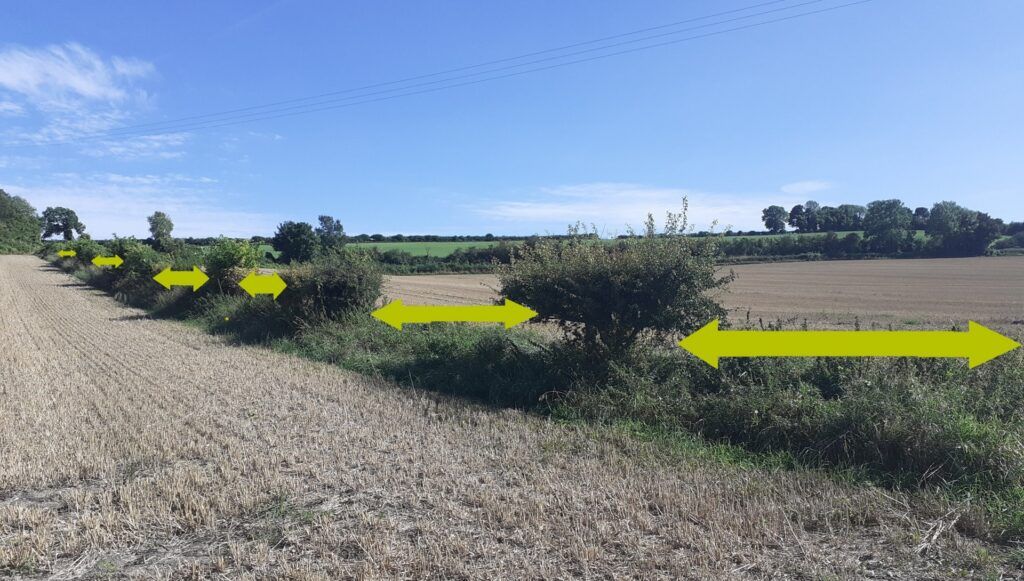
We have over 400,000 miles of existing hedgerow nationally, but it is not clear what scale of carbon storage we can add to existing hedgerows. However there are some ways we can increase storage in these hedges. Key opportunities include: 

  • Gapping up degraded sections (often best done at rejuvenation)
  • Increasing average hedge height and width (this can only be counted once as each hedge will need periodically rejuvenating through coppicing and laying) 
  • Establishing new and retaining existing hedgerow trees

Managing woody material

When you rejuvenate a hedgerow through laying or coppicing, there can be a lot of arisings to process and manage. Carbon from hedgerow management does not have to be immediately re-emitted. Cut material can be used: 

  • To create dead hedges
  • For firewood (on rotation)
  • To create biochar
  • Chipped and used for mulching or compost
  • Bundled and used in riverbank and habitat restoration

Hedgerow trees

Establishing and retaining hedgerow trees, where appropriate, is an effective way to increase long-term carbon storage. Current guidance on favourable conservation status recommends: 

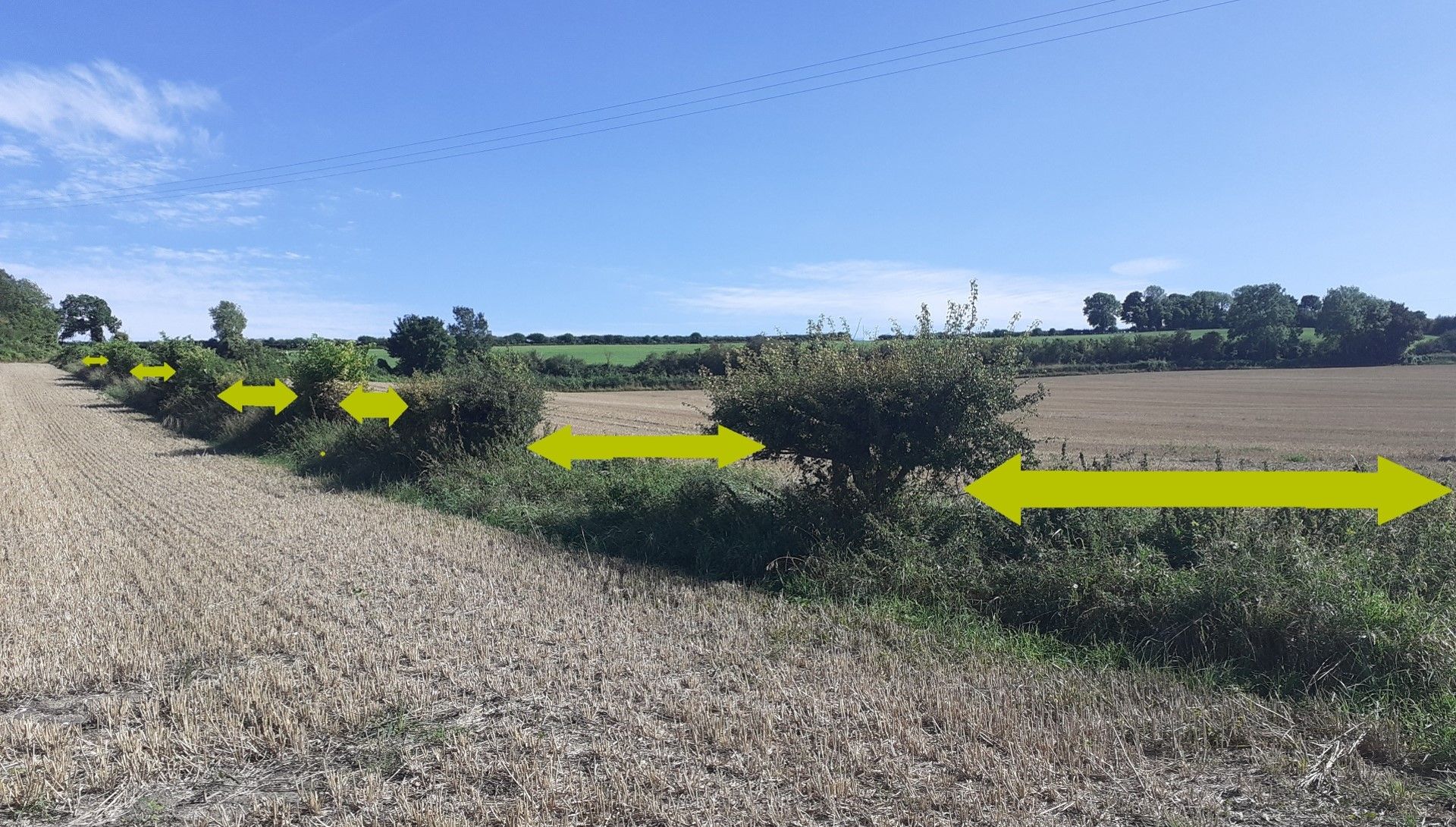
  • One mature hedgerow tree every 20-50 metres
  • Around 45% of hedge trees being young, to ensure population continuity

Benefits of hedgerow trees include; Increased carbon storage, enhanced habitat quality, improved shade and shelter for livestock, continuity of flowering and fruiting when hedges below them are trimmed or laid, and long-term carbon stability given trees remain through hedge management cycles. 

Increasing tree cover within productive farmland can reduce the need to remove land from food production to meet climate and biodiversity targets. 

Carbon gains from new hedgerows

Planting new hedgerows offers major opportunities for carbon sequestration and climate adaptation. Hedgerows can be designed to meet multiple additional objectives, including wildlife, livestock health, habitat connectivity, sustainable wood-fuel production, water management through contour planting, or even privacy. 

In England, government targets aim for 45,000 miles of hedgerow planting or restoration by 2050. While driven by climate and biodiversity commitments, success depends on farmers designing hedgerows that work for their land and farming systems. 

Importantly, the highest rates of carbon sequestration occur in the early years of a hedgerow’s life, reinforcing the value of ambitious, well-planned planting programmes. 

What is a climate-resilient hedgerow?

When planting hedgerows for both the carbon sequestration and resilience they bring to our farming in the face of climate change, it’s important we consider how we design, plant and manage hedgerows that will themselves be most resilient. 

Climate-resilient hedgerows are those designed to cope with increasing climatic variability while continuing to deliver benefits for wildlife, farming and carbon storage. 

Species-rich hedgerows

Hedgerows and climate change - People's Trust for Endangered Species

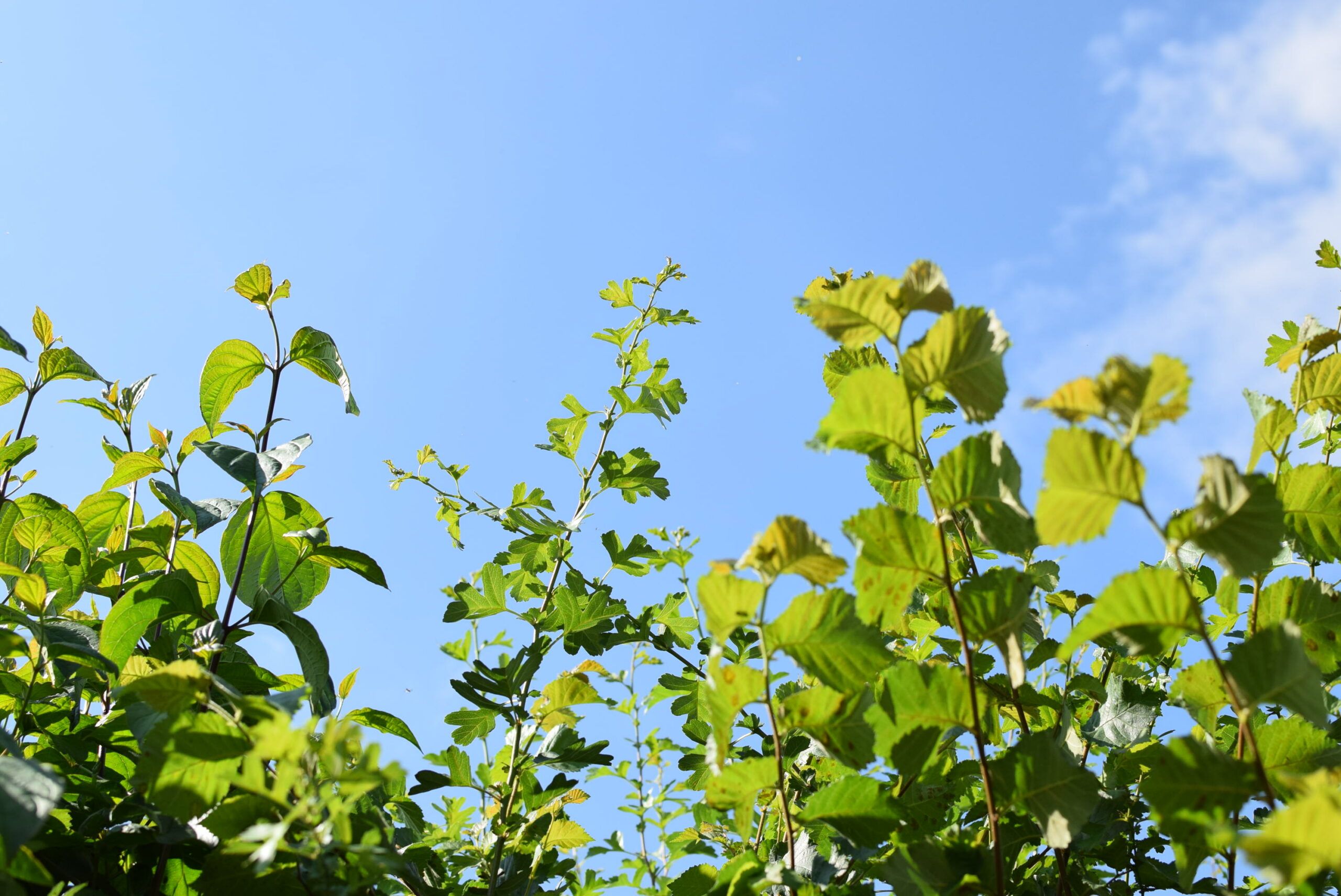
Hedgerows which contain a number of different woody species in their base mix, then complemented by the addition of shrubby, scrambling and climbing species are both fantastic for wildlife, and also potentially more resilient to future climatic challenges.  

  • Likely to provide greater resilience of the hedge as a whole to pests, diseases and climatic extremes 
  • Have longer and more resilient flowering and fruiting seasons to feed wildlife through seasonal unpredictability 
  • Support for a wider range of specialist species, adding resilience to ecological functioning  

Species selection should always reflect the hedge’s primary functions, location and local ecological context. When planting a mixed species hedge, it is important to mix the species together, rather than planning in blocks of one type of plant.  
Genetic diversity in whips

Genetic diversity within plant species is a key defence against environmental change. Ensuring hedgerows reflect local and regional genetic variation will be increasingly important as our national hedgerow and tree planting ambition increases. 

When sourcing your hedgerow whips, ask the nursery about the provenance of the seed and try to source plants which have been grown from locally sourced material. This is not always possible, but it doesn’t hurt to demonstrate that there is demand. 

Establishment methods

Most grant-funded hedgerows are currently planted using uniform whips in standard configurations. While reliable and repeatable, this approach risks creating large areas of genetically and structurally uniform hedgerow. 

Emerging studies suggest that alternative methods, such as direct seeding, may increase initial stem frequency, reduce costs and potentially improve genetic diversity. Following the exceptionally dry spring of 2025, widespread hedge failures highlighted the need for more flexible and resilient establishment approaches. More research is needed before this approach can be adopted and funded more widely, but it shows a promising alternative.  

Hedgerows can help address two of the most pressing challenges facing farming today: climate change and biodiversity loss. 

By restoring and managing existing hedgerows, and planting new ones in the right places, we can deliver meaningful change within a relatively short timeframe, while supporting productive and resilient farming systems. 


Health-check your hedgerows
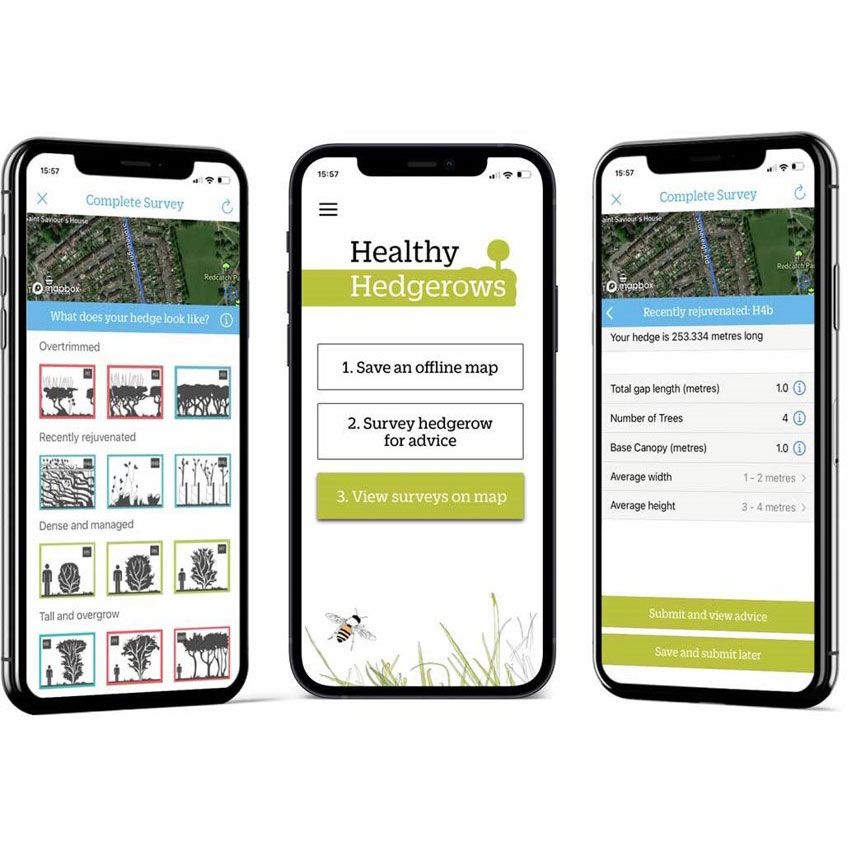
The Healthy Hedgerows survey provides instant feedback about the health of the hedge and bespoke management advice. The data that you contribute helps us to understand the overall health of hedgerows at a national scale so that we are able to direct our conservation work. Learn more:

Let's keep in touch...

We'd love to tell you about our conservation work through our regular newsletter Wildlife World, and also how you can save endangered species through volunteering, taking action or donating. You must be 18 or over. The information that you provide will be held by People’s Trust for Endangered Species. For information on how PTES processes personal data, please see our privacy policy.

People's Trust for Endangered Species, 3 Cloisters House, 8 Battersea Park Road, London SW8 4BG

Registered Charity Number: 274206 • Site Design: Mike Leach Creative at Waters • Branding: Be Colourful

Copyright PTES 2026.