
Tracking whale sharks to reduce ship strikes in Mexico
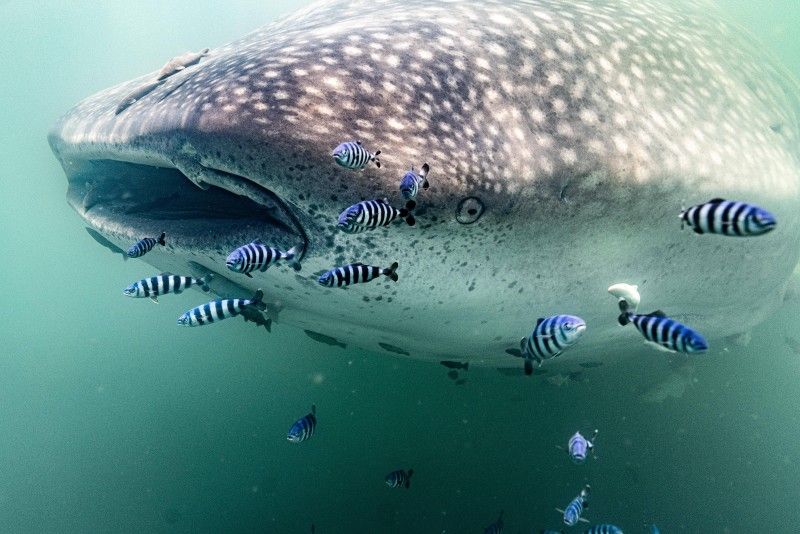
Although whale sharks are protected, they face increasing threats, significantly from shipping traffic.
Tracking the migrations of whale sharks in the Mexican Pacific
The Mexican Pacific is a vital region for whale sharks, the world’s largest fish. Each year these gentle giants gather in coastal bays and offshore waters to feed, rest and travel along migration routes that stretch across entire ocean basins. La Paz Bay is particularly special: it hosts a well-known group of young males from October to April, while further offshore lies a rarely seen aggregation of large, mature females in May and June.
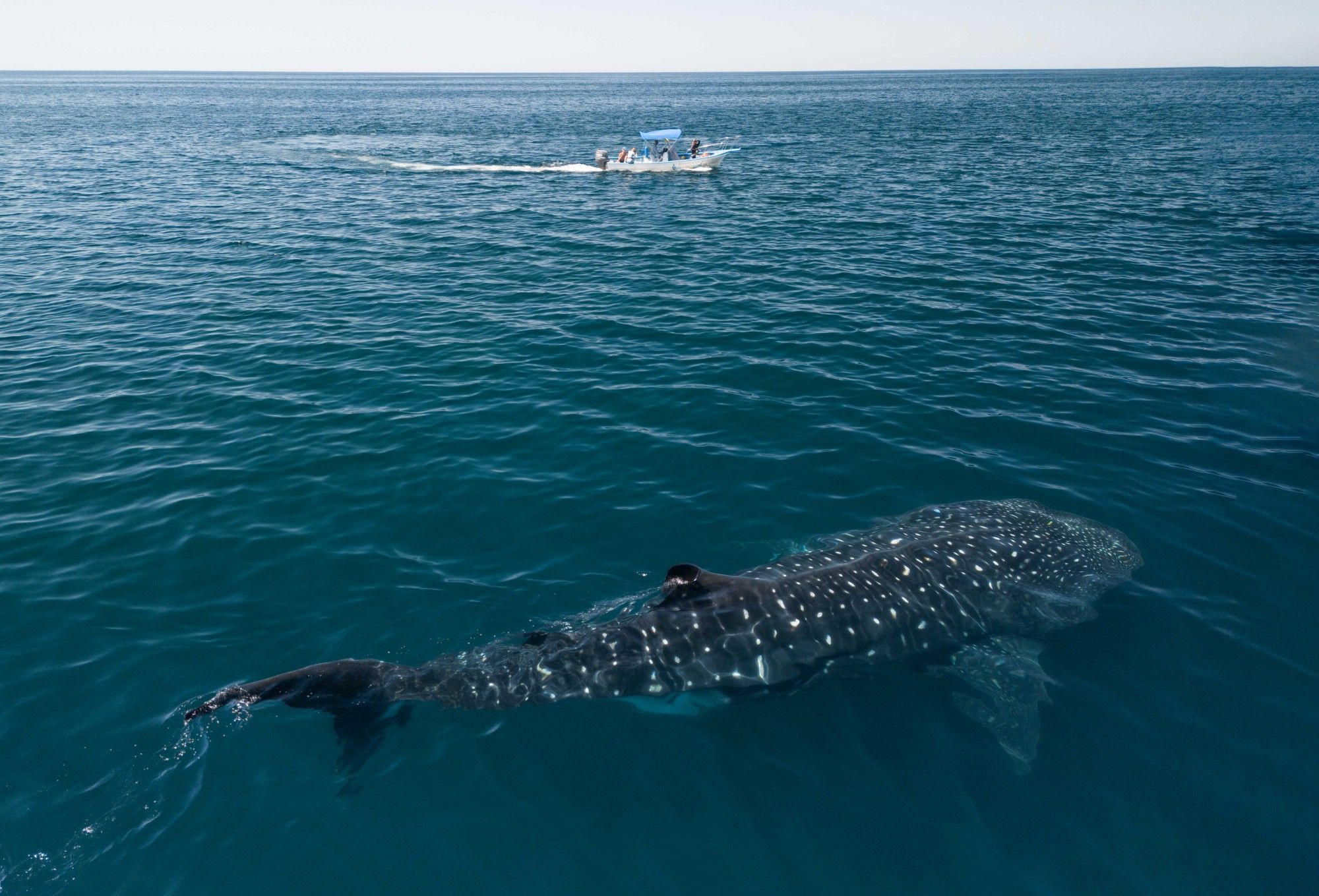
Although whale sharks are protected, they face increasing threats. Shipping traffic has grown significantly, and several busy routes overlap with areas where whale sharks gather or travel. Evidence suggests that many sharks are dying from collisions with vessels – losses that often go unnoticed. Bycatch in fisheries and poorly regulated tourism add further pressure.
Working out where whale sharks are most at risk
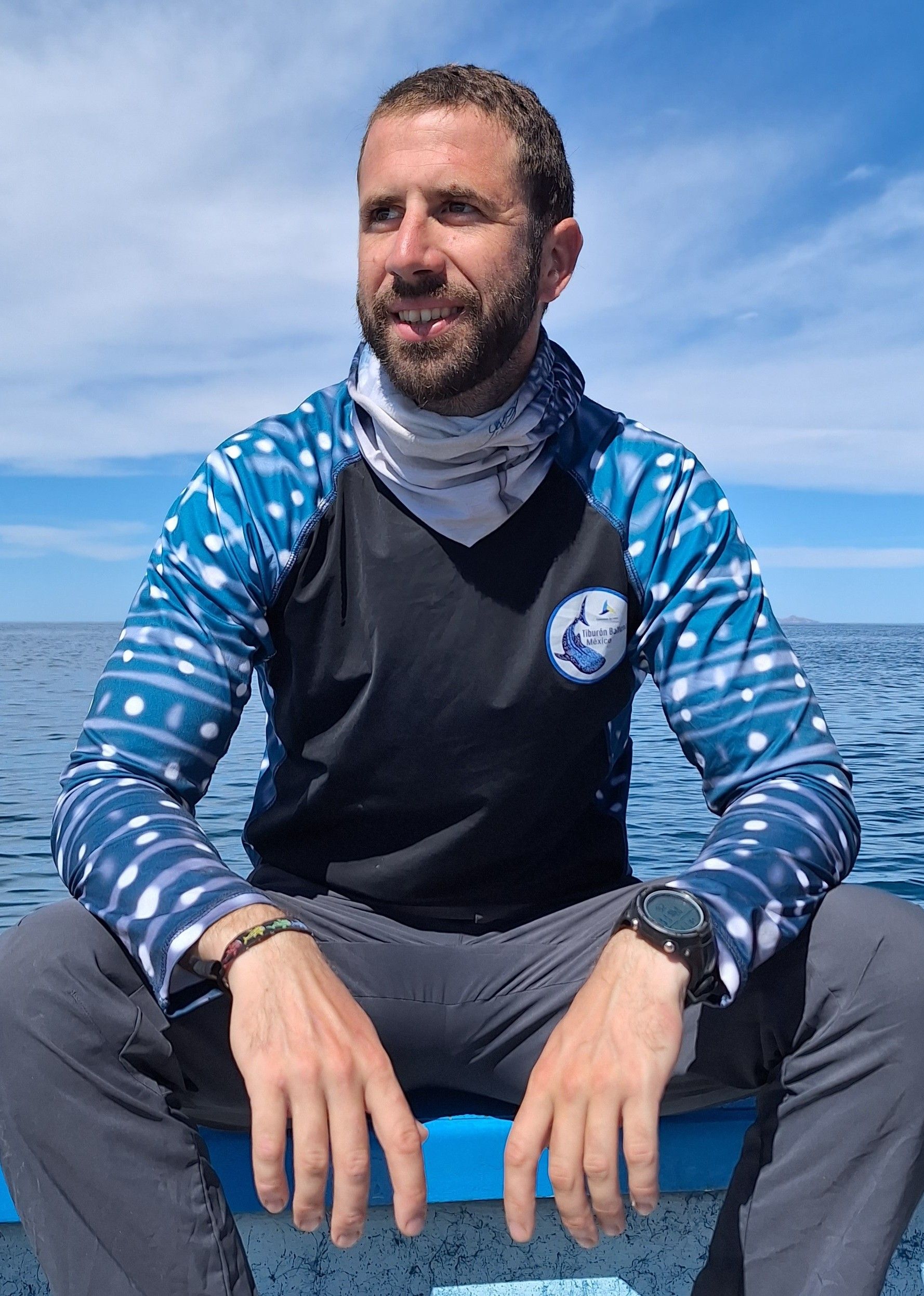
Whale Shark Mexico is working to uncover how these animals use the region and which areas they are most at risk in. Alberto Garcia Baciero and the team are fitting satellite tags to both males and females to track their movements across the Gulf of California and beyond. By overlaying these tracks with data on vessel traffic, fishing effort and tourism activity, they hope to identify the most dangerous areas for whale sharks.
The team will share this critical information with authorities, conservation organisations and tour operators, helping guide decisions to create safer vessel routes for whales, better tourism management and more effective marine protection. Understanding where whale sharks spend their time is essential for reducing the threats they face, especially for mature females whose survival is crucial for the species’ recovery.
This work will help secure a safer future for one of the ocean’s most iconic species and support the communities whose livelihoods depend on healthy marine ecosystems.
We want to give whale sharks a brighter future; with your help we can make a difference.
Image credits Whale Shark Mexico