Parthenogenic rock lizards in Armenia
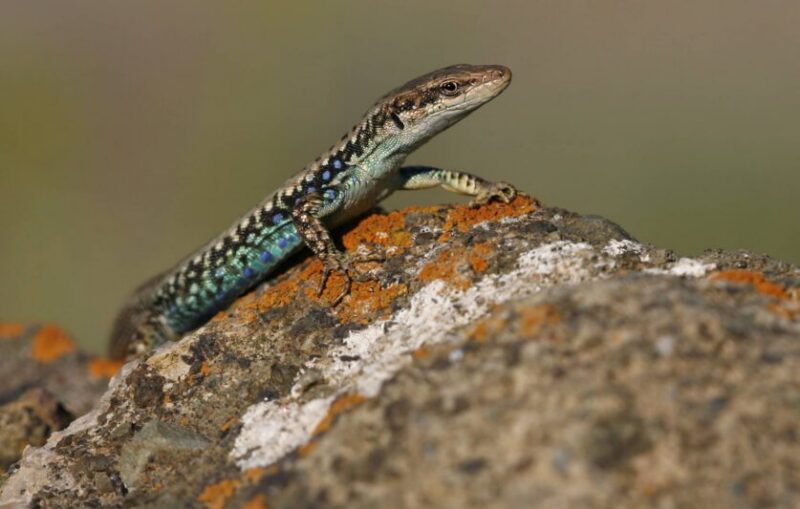
Designing wildlife-friendly restoration techniques for historic buildings to provide refuge for rare parthenogenic rock lizards
Restoration sympathetic to wildlife
Across parts of Armenia, ancient stone churches and other historic structures have become important refuges for rare parthenogenic rock lizards – species that can reproduce without mating. These buildings provide warm, sheltered crevices that mimic the cracks and fissures the lizards use in natural rock outcrops. As natural rocky habitats have been lost or altered in modern times, many lizard populations have come to depend on these old walls for survival.
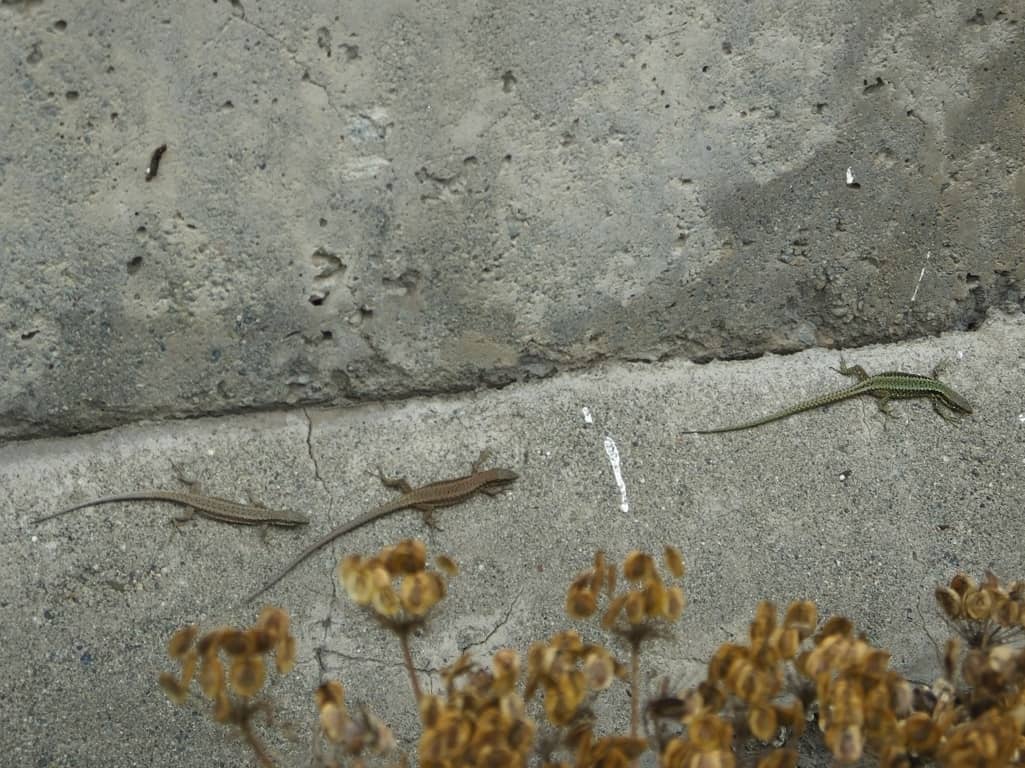
Recent efforts to prevent these culturally significant buildings falling into disrepair are welcome. However, restoration does not always take wildlife into account. When buildings are repaired or plastered, the gaps between stones are often sealed, removing the crevices the lizards rely on. In some areas, this has caused local declines, as lizards have been left with few alternative places to shelter or breed.
Developing practical guidance
This project, led by researchers in Armenia, is documenting how the lizards use medieval stonework and which architectural features support the highest numbers. The team is studying a range of historic buildings to understand what makes the best habitat: the size and depth of crevices, the arrangement of stones and the balance between exposed and sheltered spaces. To test alternatives to plastered walls (and for areas where the habitat has already been lost), the team will build three types of experimental stone wall at two sites, one degraded and one intact, which will then be closely monitored to see which are selected by the lizards.
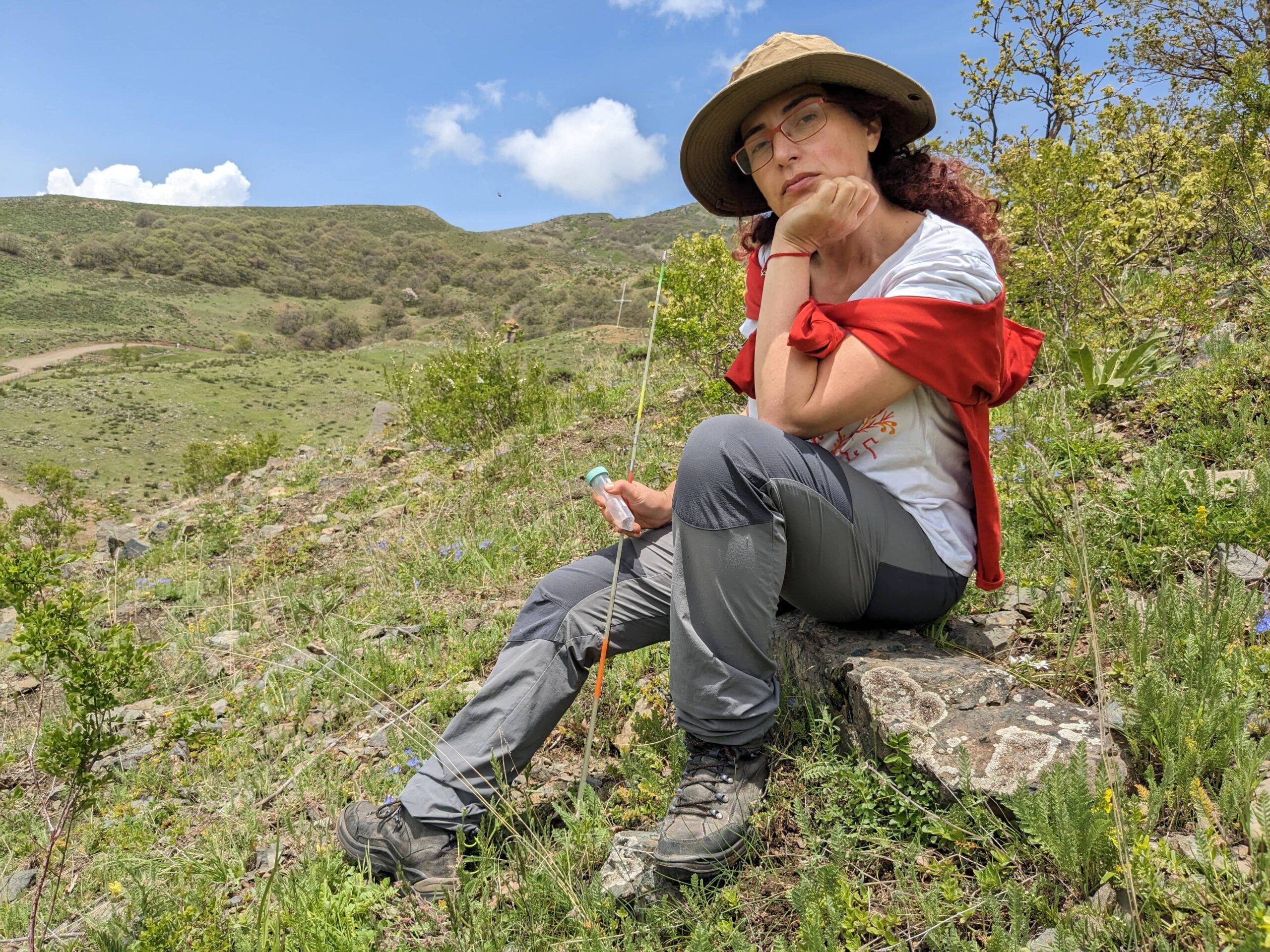
Using this knowledge, they will work with architects and heritage managers to develop practical guidance for restoration that considers wildlife from the outset. The aim is not to halt conservation of historic buildings, but to ensure that repairs preserve or recreate the features that these lizards need.
This collaborative approach will help protect an unusual and scientifically important species, while also supporting Armenia’s cultural heritage. It shows how thoughtful design can create places where both people and wildlife can thrive.
Image credits Bartand Ben, M. Arakelyan.