Where the wildcats are
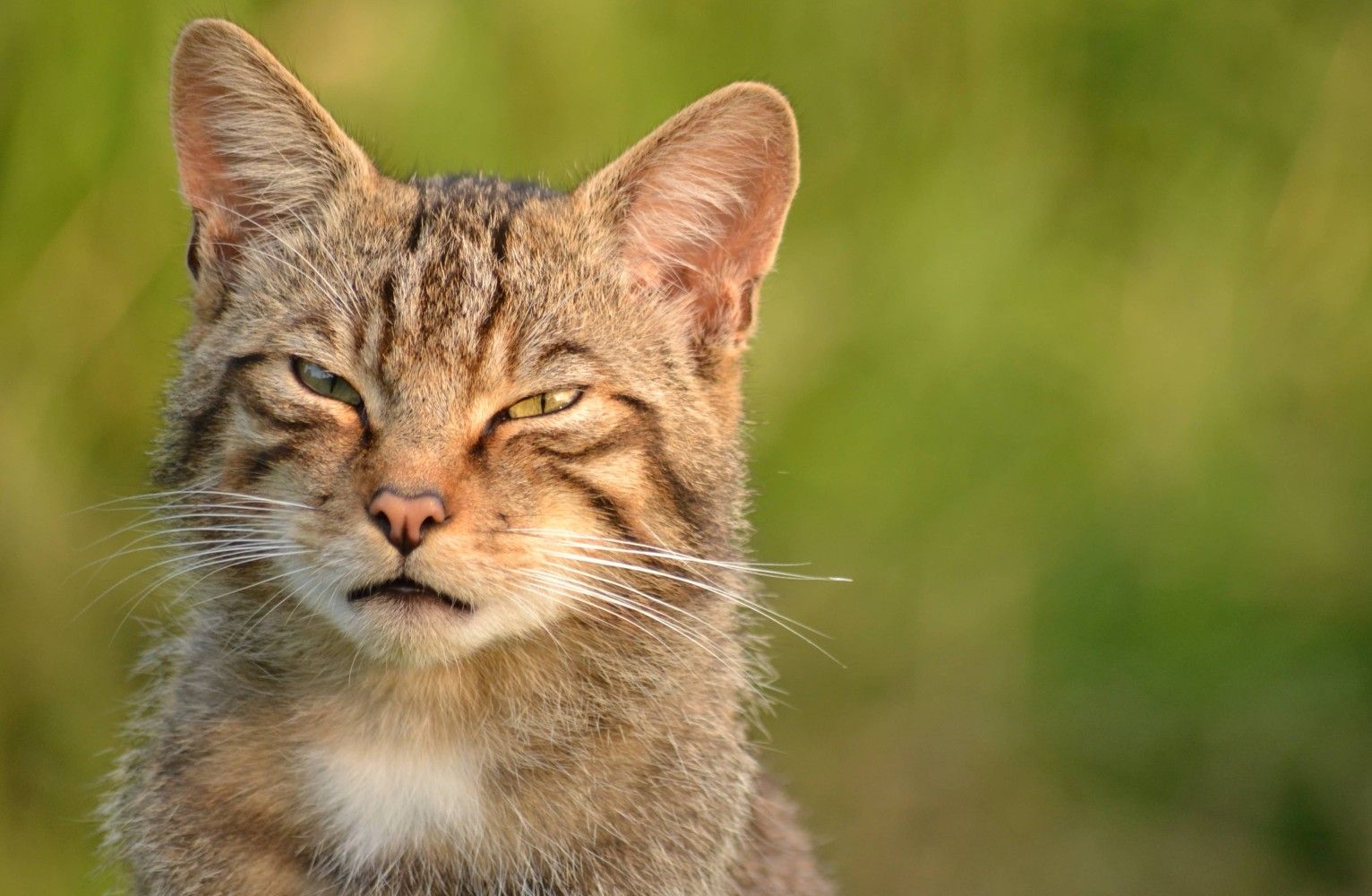
After successful reintroductions in Scotland, our new intern is assessing whether wildcats can also be brought back to Wales.
Wildcats in Britain
Wildcats were once widespread across Wales but disappeared from much of the country by the early 1800s due to habitat loss and fragmentation, hunting, and predator control. The last confirmed sighting in Wales was in 1862. This pattern was mirrored elsewhere in Britain – wildcats are now extinct in England, and only a small population remains in the Highlands of Scotland, where PTES is supporting reintroductions of captive-bred animals.
Why wildcats matter
Wildcats – also known as European wildcat, Highland tiger, or in Wales Cath Wyllt or Cath Goed – have long held a cultural and ecological significance in Britain. They’re Britain’s only remaining native wild cat and an important part of our natural heritage. Without conservation interventions such as reintroductions, wildcats are likely to become extinct in Britain. Restoring this native predator could help revive natural balance and complexity within our ecosystems.
Collaborative cat rescue
A partnership between Vincent Wildlife Trust, Durrell Wildlife Conservation Trust and The Wildwood Trust is exploring whether it’s now possible to bring wildcats back to Wales. Research carried out in 2019 identified three potential release areas in West Wales that could support wildcats once again. Vincent Wildlife Trust, with support from PTES, is now working with locals to find out people’s views about a possible wildcat release, while also assessing whether the sites can ecologically support any released animals.
Our newest intern, Nea Weston, based at Durrell Wildlife Conservation Trust, is working out where the best areas for wildcats in Wales are; which sites have good habitat, plenty of prey and secure sites for breeding.

She’ll collate, integrate, and assess a range of datasets, including habitat modelling outputs, GIS layers, prey availability surveys, small mammal records and camera trap data, to ensure the sites are selected using the best available evidence.
Thank you to the Elgol Fund for Nature for their generous support of our internship programme.
Header image credit Lucy Buckland