
Restoring native oysters in Firth of Forth
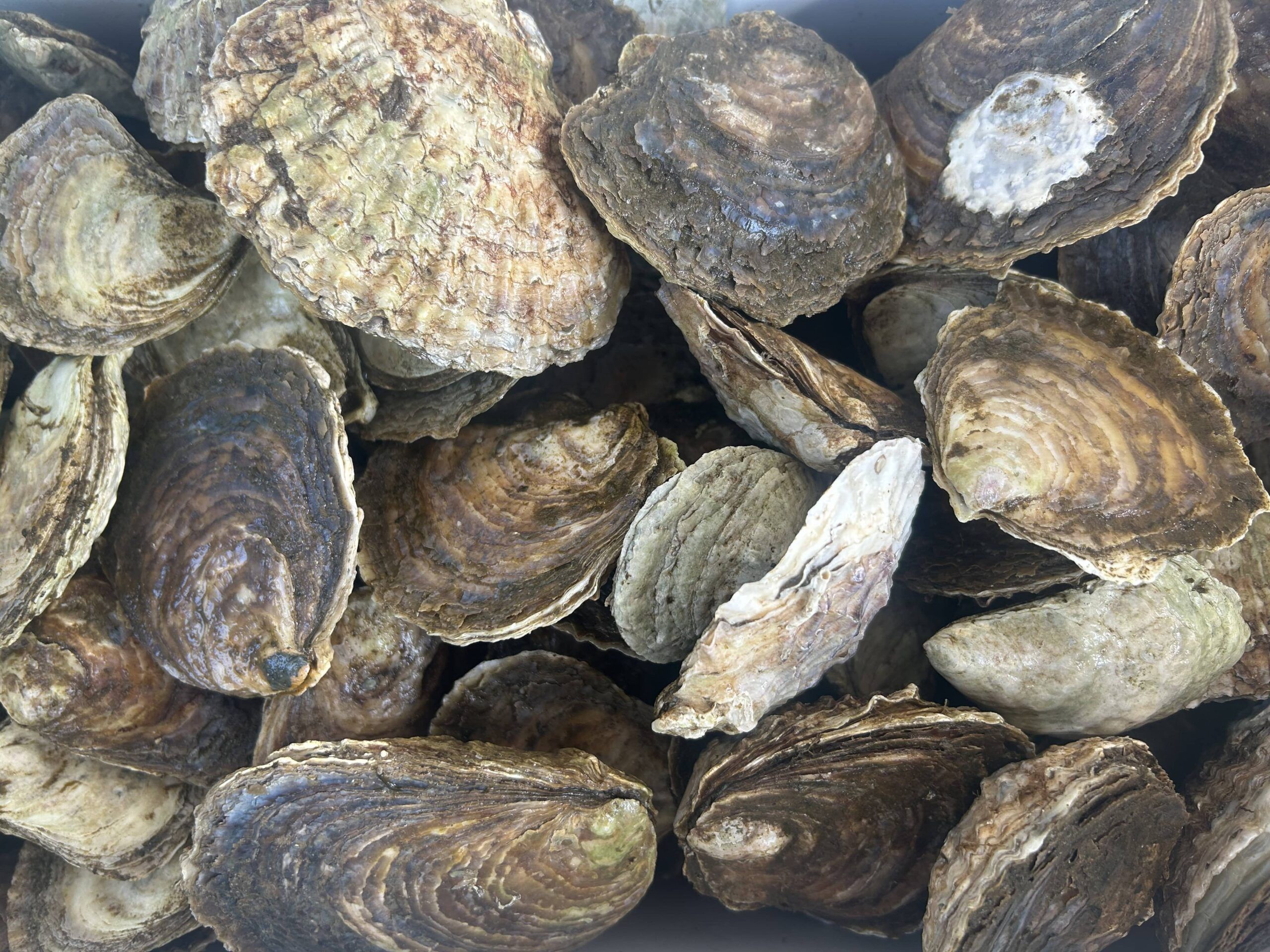
European flat oysters were once found in east Scotland, but disappeared from the Firth of Forth in the early 1900s.
Native oysters play an important role in healthy marine habitats. By forming reefs, they create shelter and nursery areas for other species, help stabilise the seabed, and filter water as they feed.
European flat oysters (Ostrea edulis) were once found in east Scotland, but disappeared from the Firth of Forth in the early 1900s. Their loss, along with pollution and wider habitat decline, has contributed to poorer water quality and reduced biodiversity in the area.
Restoration Forth
Restoration Forth is a marine restoration project led by the Marine Conservation Society, WWF, Heriot-Watt University and Balanced Horizon. The project is working to restore European flat oysters and seagrass habitats in the Firth of Forth.
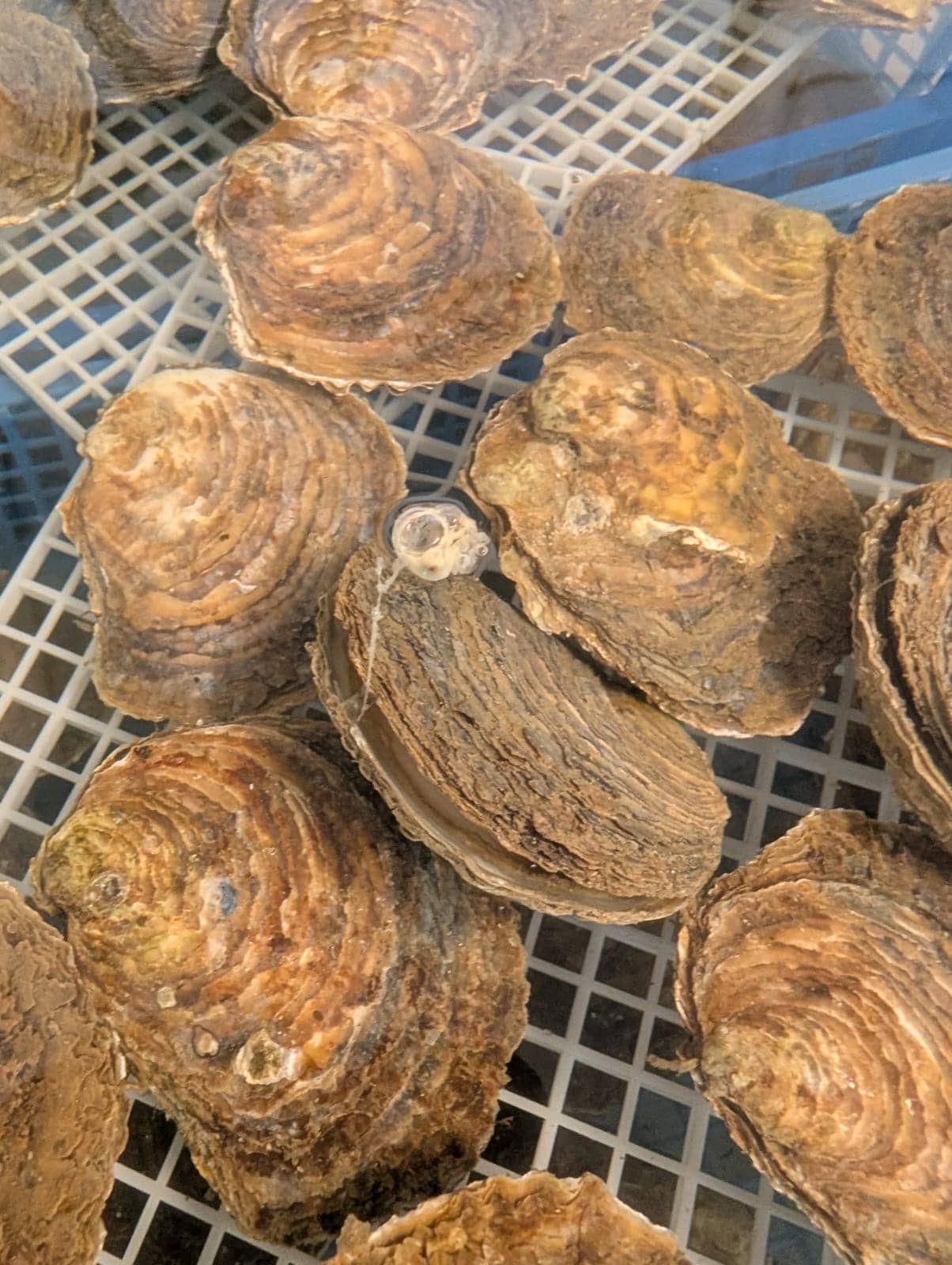
So far, more than 60,000 European flat oysters have been translocated to the Forth, with support from thousands of people in local communities. This marks the first reintroduction of the species to the area in over 100 years.
Many of the oysters used in the project come from the west coast of Scotland. This can be costly and labour-intensive, so developing local hatcheries is an important next step. This is where the Forth Marine Hatchery comes in.
Forth Marine Hatchery
The Forth Marine Hatchery is one of three projects run by Balanced Horizon, a local charity which is supporting restoration efforts for European flat oysters and European lobsters.
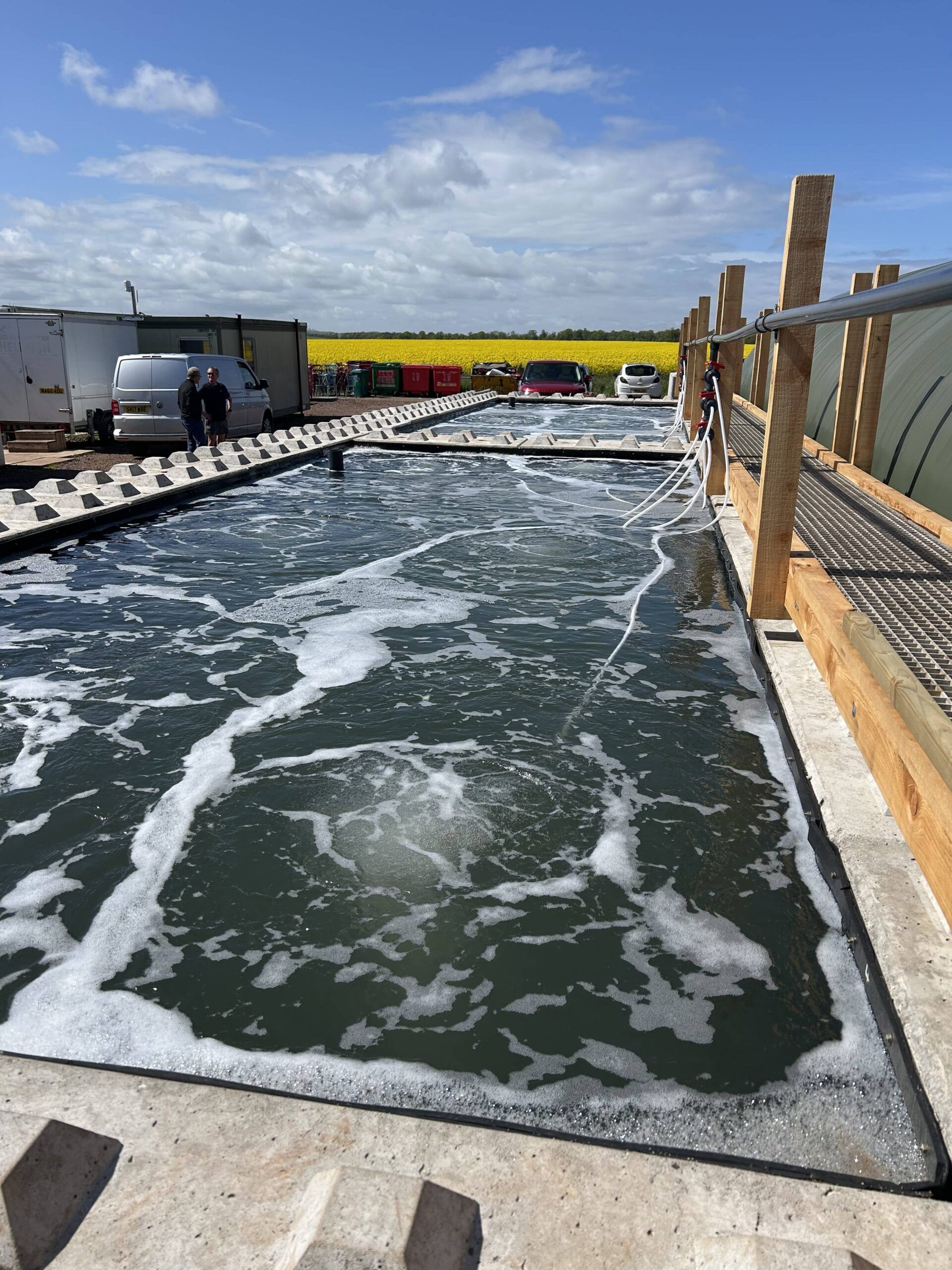
The hatchery is one of only a small number of sites in the UK using oyster spatting ponds. These are specially designed ponds where young oyster larvae settle and begin to grow before being released. By producing oysters locally, the hatchery could help fill gaps in the east coast supply and support the continued growth of Restoration Forth.

Our new intern Erin Flattley is joining Balanced Horizon’s Forth Marine Hatchery, to help the team better understand how their oyster spatting ponds are working.
Algae are an important food source for oysters, especially when they’re growing and developing. Erin’s project is looking at how two different types of fertiliser affect algal growth, while also considering oyster health and water quality.
She’s helping to test the water quality and monitor oyster development across the two ponds, whilst also carrying out labwork to analyse algae concentrations. The aim is to better understand the conditions that support successful oyster spatting and larval development.
Erin’s looking forward to developing her practical research skills and gaining a deeper understanding of what it takes to run a restoration programme for a species that was once lost from the region.
Header image credit Erin Flattley.