Monitoring giant gobies: understanding how rare fish respond to climate change
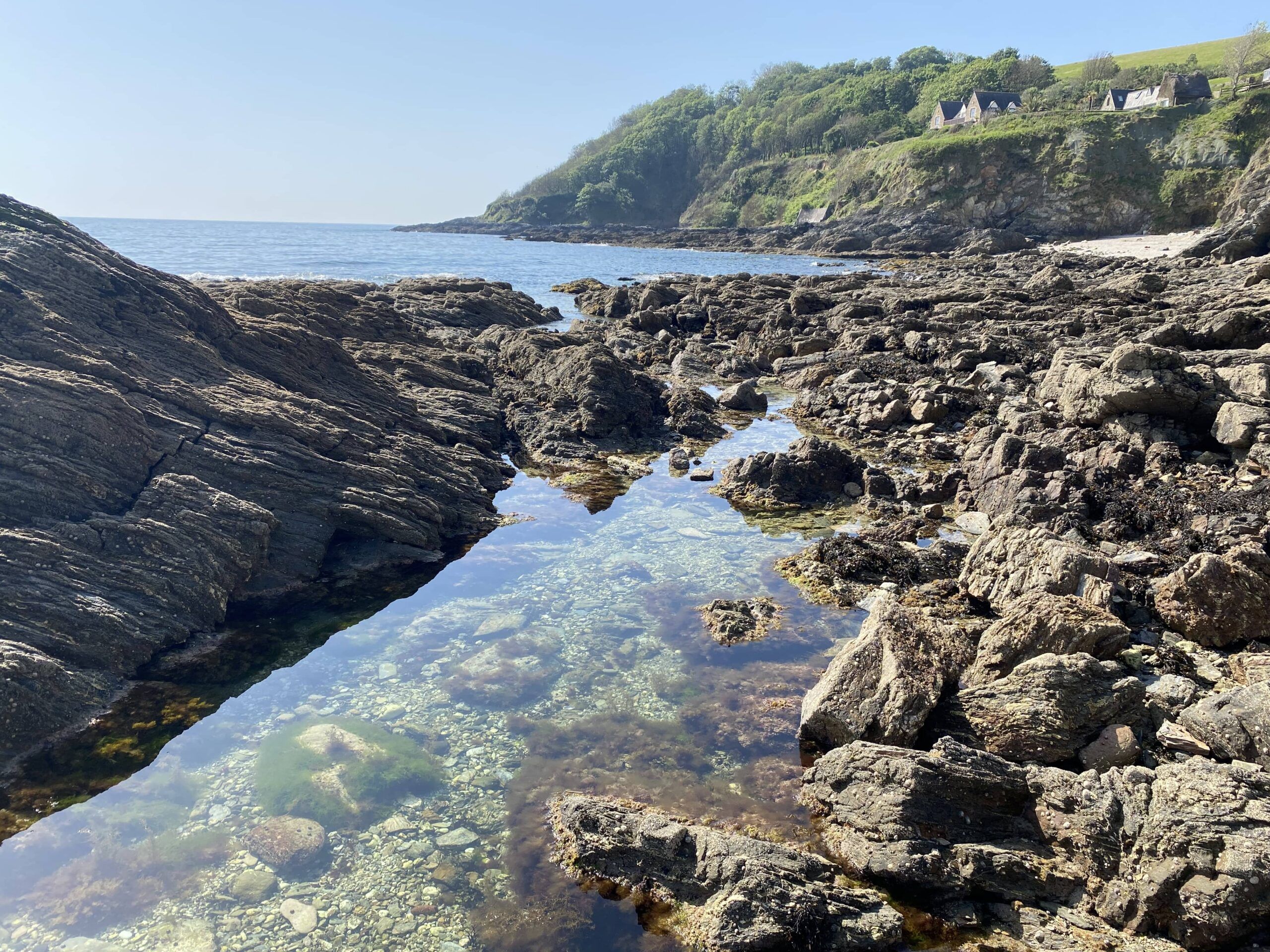
Using environmental DNA to study one of Britain's least-studied coastal fish
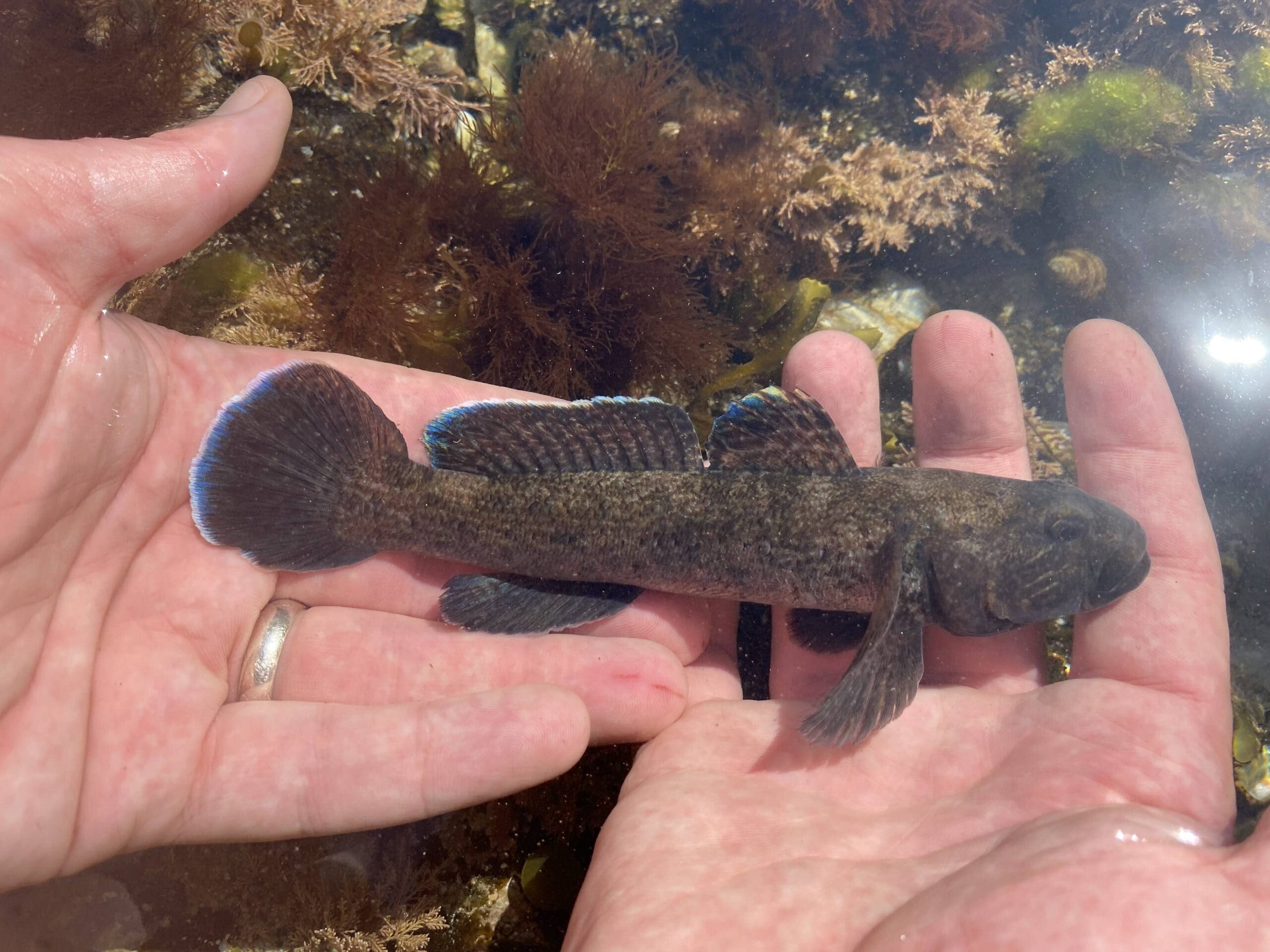
Gobies are a family of marine fish that mostly live on the bottom of the sea. There are more than 1,500 species found around the world. Of the 22 species found in the UK, the giant goby (Gobius cobitis) is the largest, growing up to 29cm long.
It’s also one of Britain’s least-studied and most elusive coastal fish. Giant gobies live in rocky pools high on the shoreline, where they quickly dart into deep crevices when disturbed, making them difficult to observe and monitor.
The challenge of protecting giant gobies
In Britain, giant gobies have only been recorded along the rocky coasts of Devon, Cornwall and the Isles of Scilly. Their specialised habitat requirements make them vulnerable to environmental change and human disturbance. As a result, they were given legal protection under the Wildlife and Countryside Act in 1998, making it illegal to disturb them without a licence from Natural England.
Because of these protections, and the challenges of studying such a secretive species, relatively little research has been carried out to understand how giant goby populations are faring today.
Why giant gobies matter
As our climate changes, many marine species are moving towards cooler waters or deeper habitats in search of suitable conditions.
Today, giant gobies are most commonly found in the Mediterranean, but some climate models suggest that rising temperatures could make parts of their current range unsuitable in the future. This could result in the species expanding its range further north.
The south coast of the UK marks the northern edge of the giant goby’s range and could become an increasingly important refuge in the coming decades. To understand whether this shift is happening, researchers first need a clearer picture of where giant gobies currently occur and reliable ways to monitor their populations over time.
Using environmental DNA to study a rare species
One promising technique is environmental DNA, or eDNA. This involves collecting samples from an animal’s environment, in this case seawater, and testing for traces of genetic material left behind through skin cells, mucus and waste. These tiny fragments of DNA can reveal whether a species has been present, even when it cannot be seen.
By taking water samples from coastal rock pools, scientists hope to detect giant gobies without disturbing either the fish or their habitat. To do this, the team first needs to develop a species-specific eDNA test that can accurately identify giant goby DNA while distinguishing it from closely related species such as the rock goby (Gobius paganellus), which shares the same habitat.
Once developed, this approach could provide a powerful new tool for detecting and tracking giant gobies across the UK on a much larger scale than traditional survey methods allow.
An intern making a difference
Our latest intern, Molly McNamara-Langton, is helping to drive this research forward at the Natural History Museum under the supervision of Dr Rupert Collins.
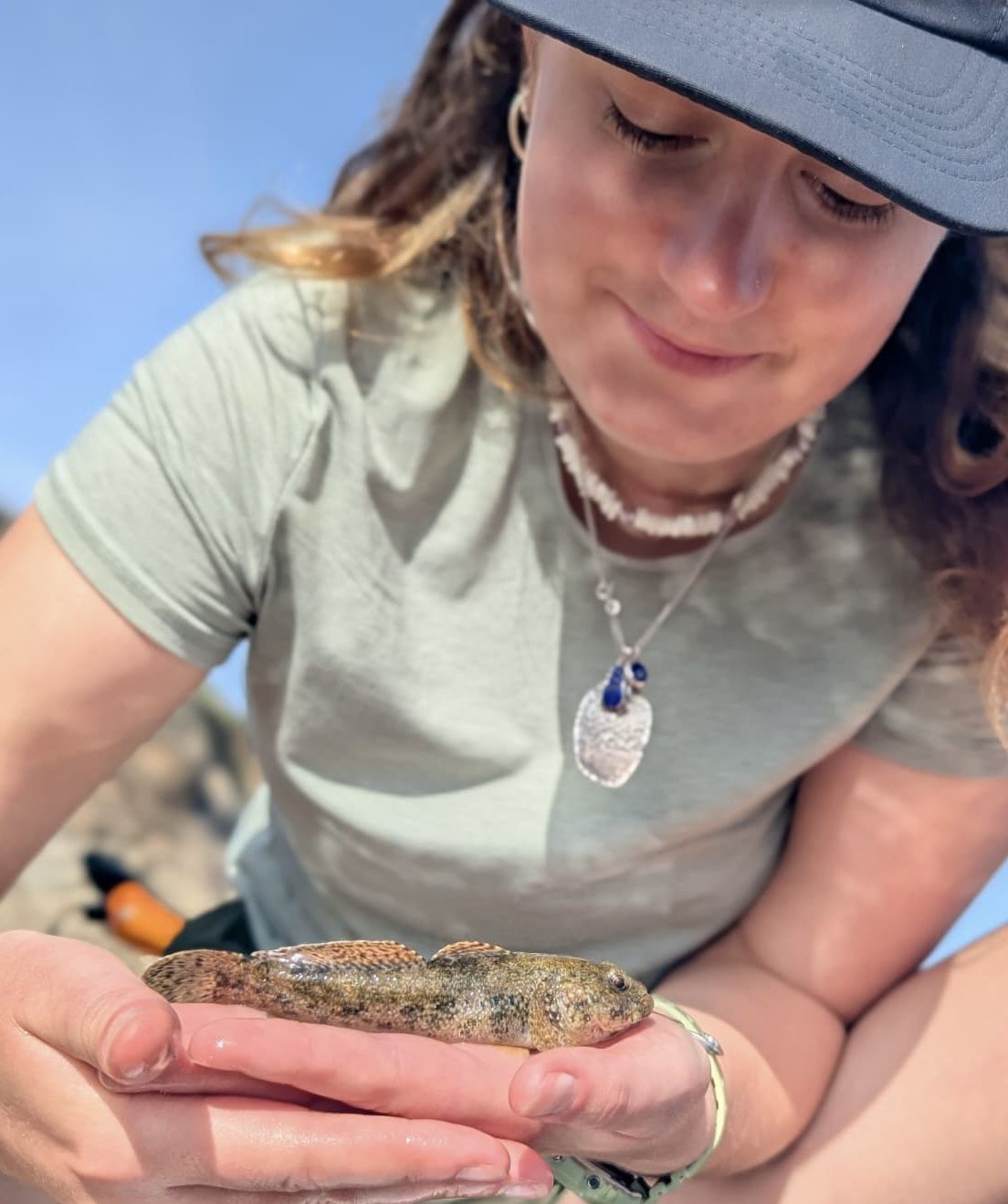
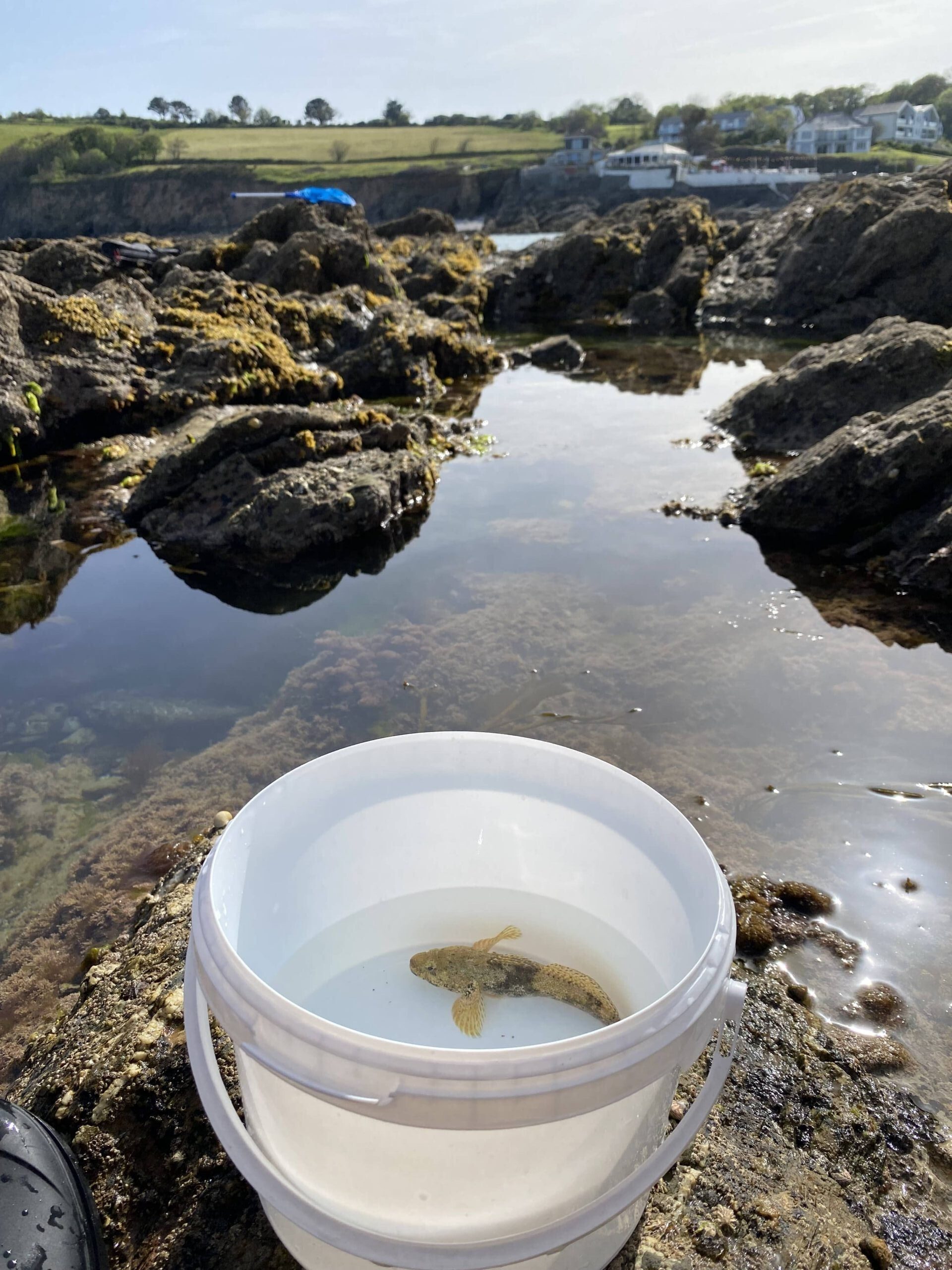
Molly’s project focuses on collecting giant goby tissue samples and developing a species-specific eDNA test. The aim is to create a reliable monitoring tool that can support future conservation work and help scientists understand how the species responds to climate change.
Earlier this year, Molly successfully obtained research permits from Natural England, allowing the team to carry out fieldwork in Falmouth, Cornwall. In May, they completed their first survey, using visual observations and underwater cameras to assess local giant goby populations and collect genetic samples from three individuals.
The fieldwork gave Molly valuable hands-on experience, from collecting genetic samples from live fish to gathering and processing environmental DNA from rock pools.
Support from People’s Trust for Endangered Species has also enabled Molly to fulfil a long-held ambition of working at the Natural History Museum. As well as learning molecular biology and bioinformatics techniques, she has gained experience caring for the museum’s spirit collection – a world-renowned archive of preserved specimens, some of which are more than 200 years old.
The next stage of the project will involve sequencing giant goby DNA to refine the new eDNA test and assess its effectiveness using the seawater samples collected during fieldwork.
The experience is already helping Molly prepare for the next step in her career. In October, she will begin a PhD at the University of Exeter, where she will study the ecology of deep-sea sharks and rays in the North Atlantic.
Image credits Molly McNamara-Langton