Dothistroma Needle Blight surveillance using spore traps
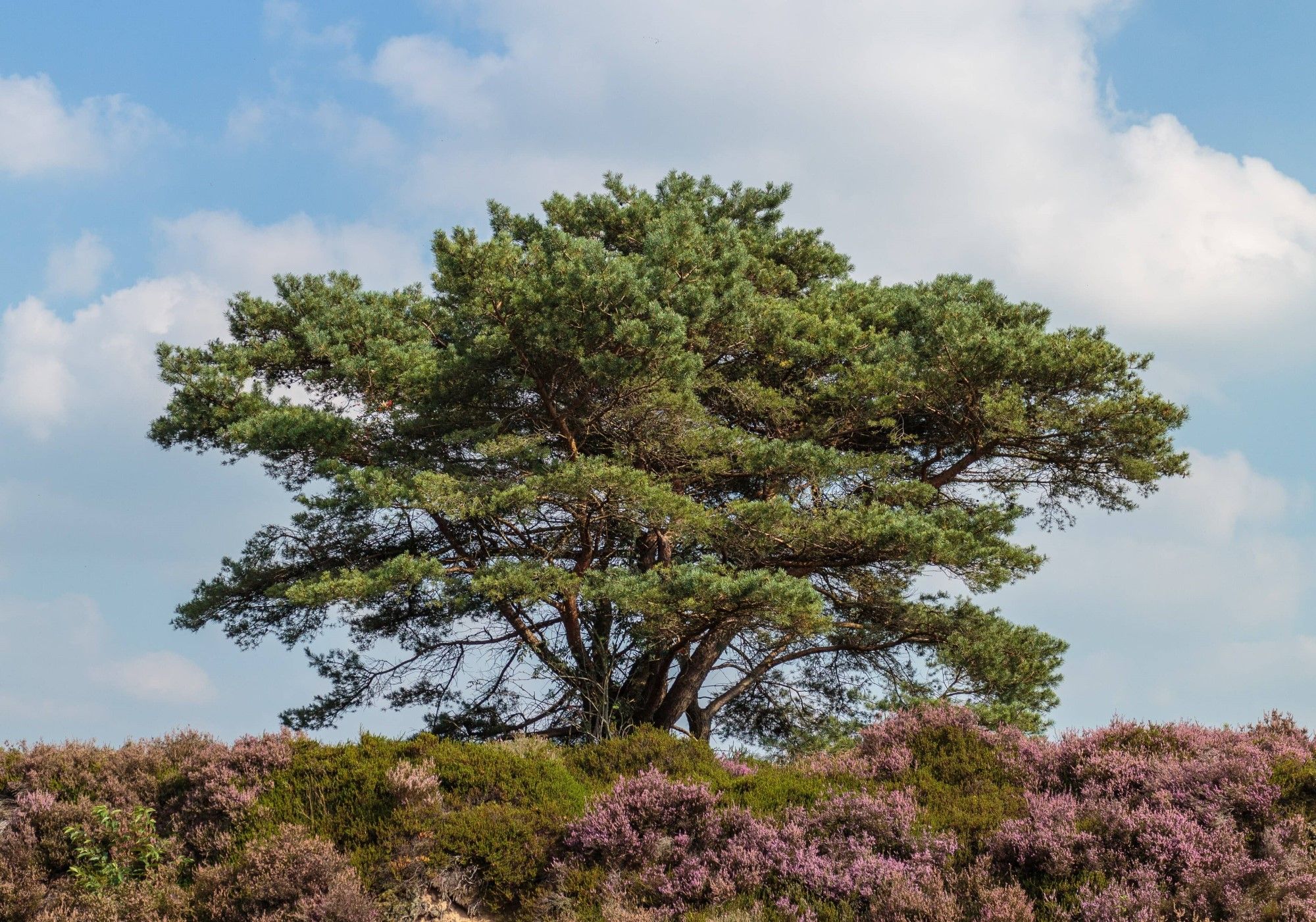
Helping land managers understand the risk of infection from Dothistroma needle blight (DNB) on native Scots pine
Disease surveillance can play an important role in conservation, but spotting the first signs of disease isn’t always easy. Detecting symptoms can be time-consuming and often requires specialist knowledge, so finding quicker and more effective ways to identify pathogens could help us act sooner.
Pines at risk
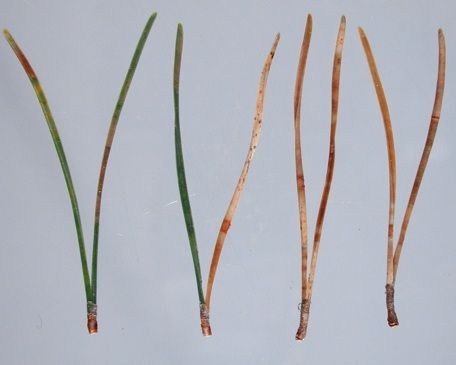
One disease that is particularly difficult to detect is Dothistroma needle blight (DNB), caused by the fungal pathogen Dothistroma septosporum. The disease affects commercially grown conifers, but is also a conservation concern because it can infect our native Scots pine.
Infected trees develop yellow, reddish-brown or tan bands across their needles. The affected needles are shed prematurely, which can reduce tree growth and, in severe cases, lead to tree death.
The pathogen has become increasingly common across Britain since the 1990s and poses a threat to Scotland’s Caledonian pine forests. Climate change and the increased movement and trade of plants are both thought to have contributed to its spread.
Current methods of detecting the disease, including surveillance at ports and plant nurseries, rely heavily on spotting visible symptoms. This takes considerable staff time and requires specialist knowledge. Developing new, more efficient and affordable ways to detect the pathogen could therefore make an important difference.
Spore trapping for future surveillance
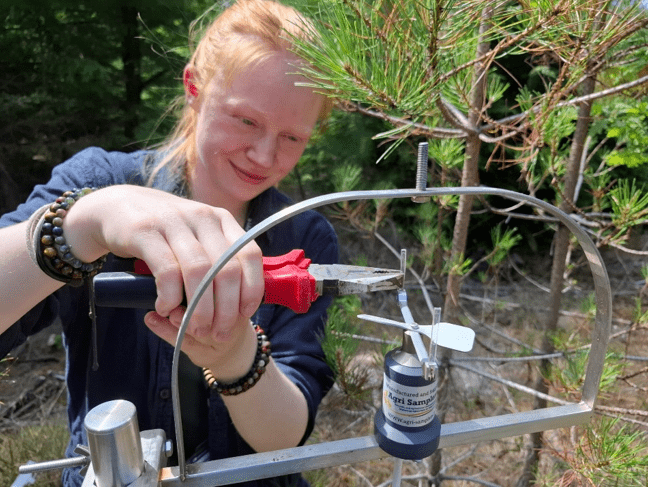
That’s where our new intern Jamie Hewetson comes in. Working with Forest Research Alice Holt under the supervision of Dr Leone Oliveri, Jamie is testing a new way of detecting the pathogen by capturing its airborne spores in the field.
She’s using real-time qPCR (quantitative Polymerase Chain Reaction), a technique that detects and measures DNA in a sample, to compare the effectiveness of different spore traps. These include devices already routinely used by Forest Research as well as newly developed prototype traps.
Understanding which traps are most effective at detecting D. septosporum will support which traps will continue to be used at the Alice Holt research site, and by foresters around the UK. Once Jamie has identified the most effective trap, the method can be refined and shared more widely. In future, it could help detect the disease earlier, measure the quantity of spores present in the air and reveal how environmental conditions and the seasons affect spore release.
This could help land managers understand when the risk of infection is greatest and put management measures in place at the most effective time, helping to limit the impact of the disease on our native pine forests.