
A lost legacy: restoring the Solent’s native oysters
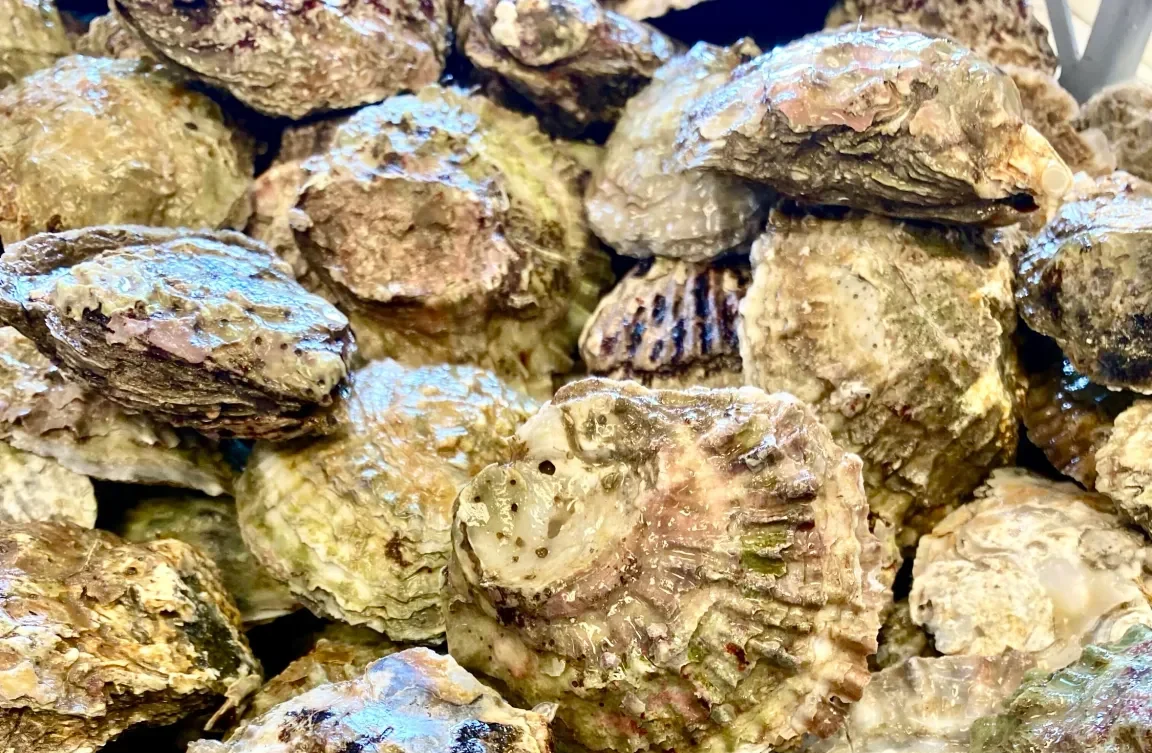
Oysters are more than just another shellfish. They play an integral role as ecosystem engineers, building and shaping complex reefs.
Once thriving across the Solent of England, European flat oysters (Ostrea edulis) were part of a flourishing ecosystem that boosted local economies. Sadly, their population has declined by around 95% since the 1800s, due to overfishing, disease, habitat loss, and pollution. Many of the “oyster towns” that homed this species have evolved into tourist destinations, and the old oyster beds scattering the shorelines remind us of what has been lost.
The magic of oysters
Oysters are more than just another shellfish. They play an integral role within their habitats as ecosystem engineers by building and shaping complex, three-dimensional reefs which promote biodiversity. These reefs act as homes, nurseries, and feeding grounds for a wide range of marine life. They also act as natural filters, removing harmful pollutants and excess nutrients, reducing algal blooms, helping to create a much healthier coastal ecosystem.
Why we care about oysters
Water pollution in the Solent has increased in recent years, driven by sewage overflows, agricultural runoff, and chemical contamination. This has had a real impact on people who live by and use these waters, with many areas now considered unsafe for swimming and other recreational activities.
Beyond limiting access to the coast, declining water quality also harms marine life and weakens the ecosystems that coastal communities depend on. Addressing pollution in the Solent is therefore not just an environmental priority, but a priority for protecting both wildlife and the people connected to these waters.
Oysters to the rescue
Under the guidance of the Blue Marine Foundation, the Final Straw Foundation is tackling pollution and the depletion of these shellfish, by reintroducing the native oyster back into Solent waters.
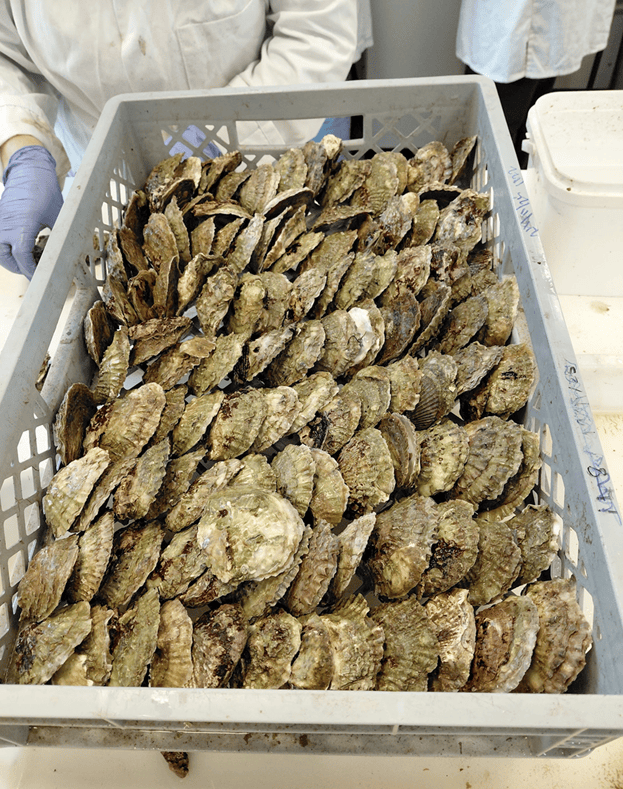
In November 2025, 10,000 native oysters were reintroduced across marinas in Portsmouth, Hayling Island, and Gosport. The team measured and tagged 10% of the oysters so that, in future, any changes can be tracked. Water quality samples will be taken to assess whether the oysters’ presence reduces pollution levels. These adult oysters will act as broodstock by releasing millions of larvae to help repopulate local waters, while simultaneously filtering any pollutants present. Fun fact: a single adult oyster can filter up to 200 liters of water per day!
Intern’s contribution
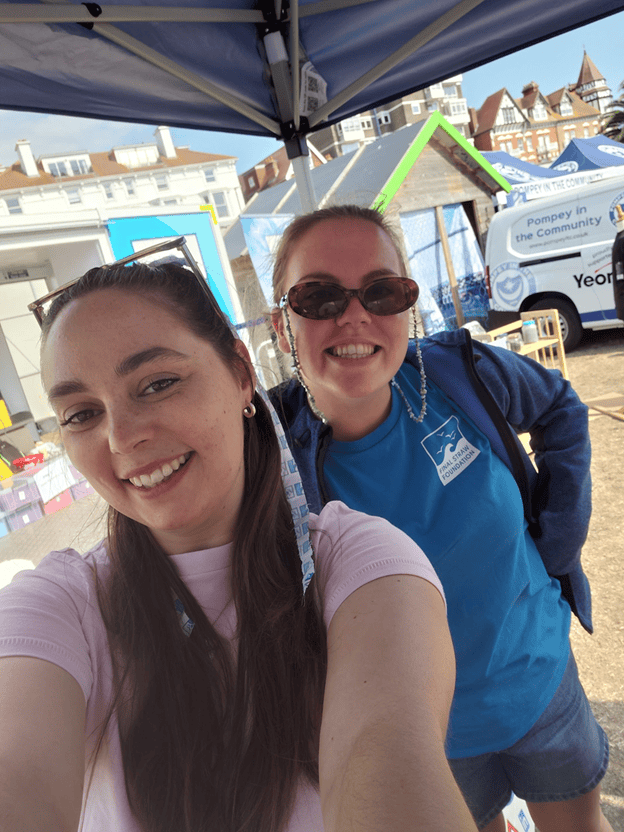
Our new intern, Victoria Hawes (left), is working on the next phase of the project, which focuses on expanding the work. This year, the Final Straw Foundation aims to release a further 50,000 native oysters across the Solent, working with additional marinas keen to improve the local marine environment.
Victoria is helping the lead project manager, Hannah Cooper (right), with data collection and analysis, including water quality testing, oyster measurements, and monitoring mortality rates within the tagged population. She’s also supporting volunteer events such as oyster scrubbing and basket-making sessions, sharing project updates through blogs and social media, and working with the education team to deliver school events that raise awareness of the project. Victoria will learn new research and outreach skills working with Final Straw Foundation, whilst helping recover a critical population of a native species.
Header image credit finalstrawfoundation.org