
Rose chafer beetle facts
Status
Least concern
Population
Widespread, common in southern England and Wales, scarce in northern regions
Scientific name
Cetonia aurata
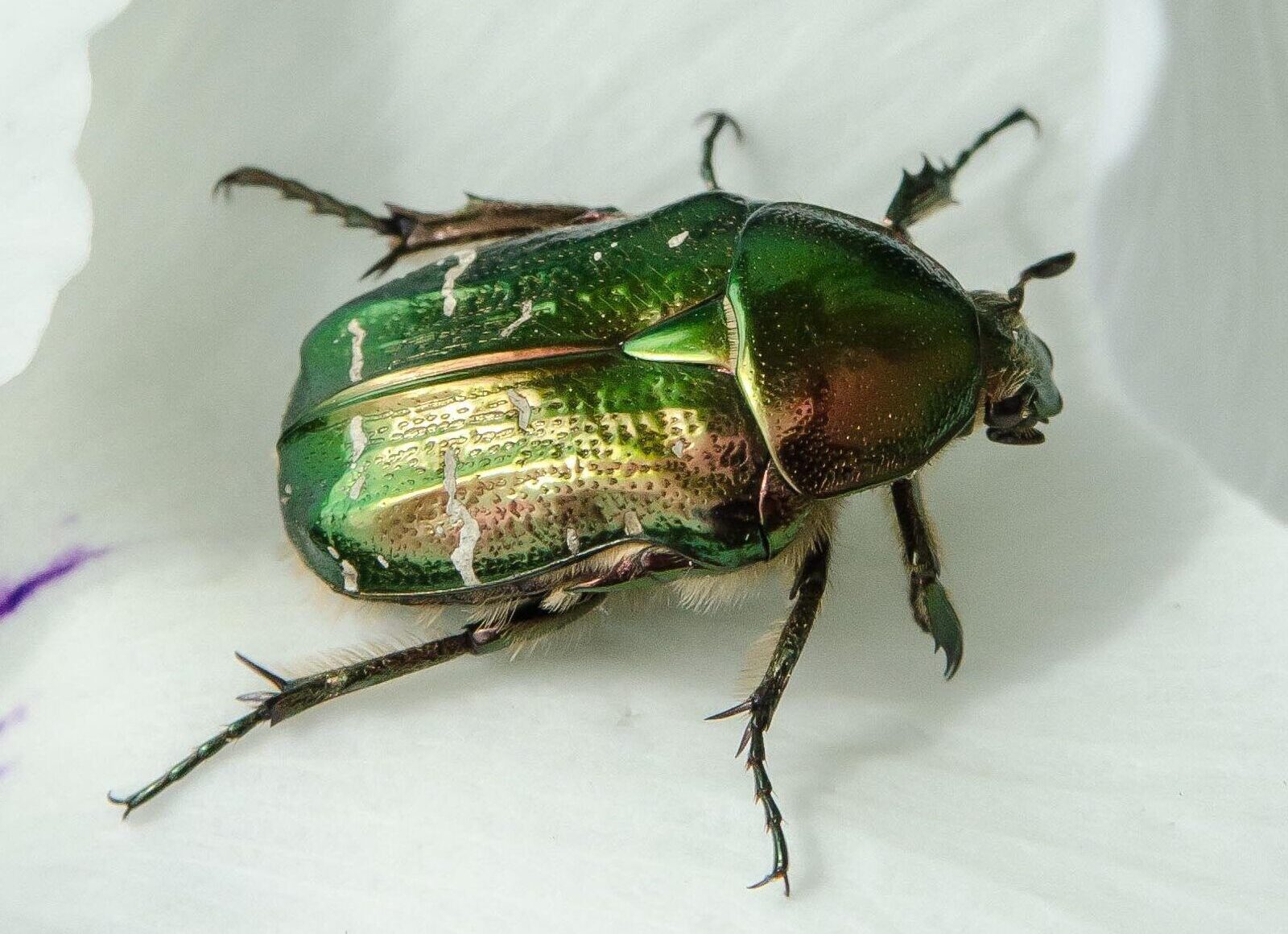
The Rose Chafer (Cetonia aurata) is one of the UK’s most striking beetles. With its shimmering metallic-green body and distinctive white markings, it is a wonderful insect to spot in gardens, grasslands, and woodland during the summer months.
Identification
Rose Chafers are medium-sized beetles, growing up to 20mm in length. They are easily recognised by their bright metallic-green colour and the irregular white lines across their wing cases. They are sometimes confused with the much rarer Noble Chafer (Gnorimus nobilis). However, the Rose Chafer can be identified by the extended V-shaped scutellum on its back, a feature that the Noble Chafer lacks.
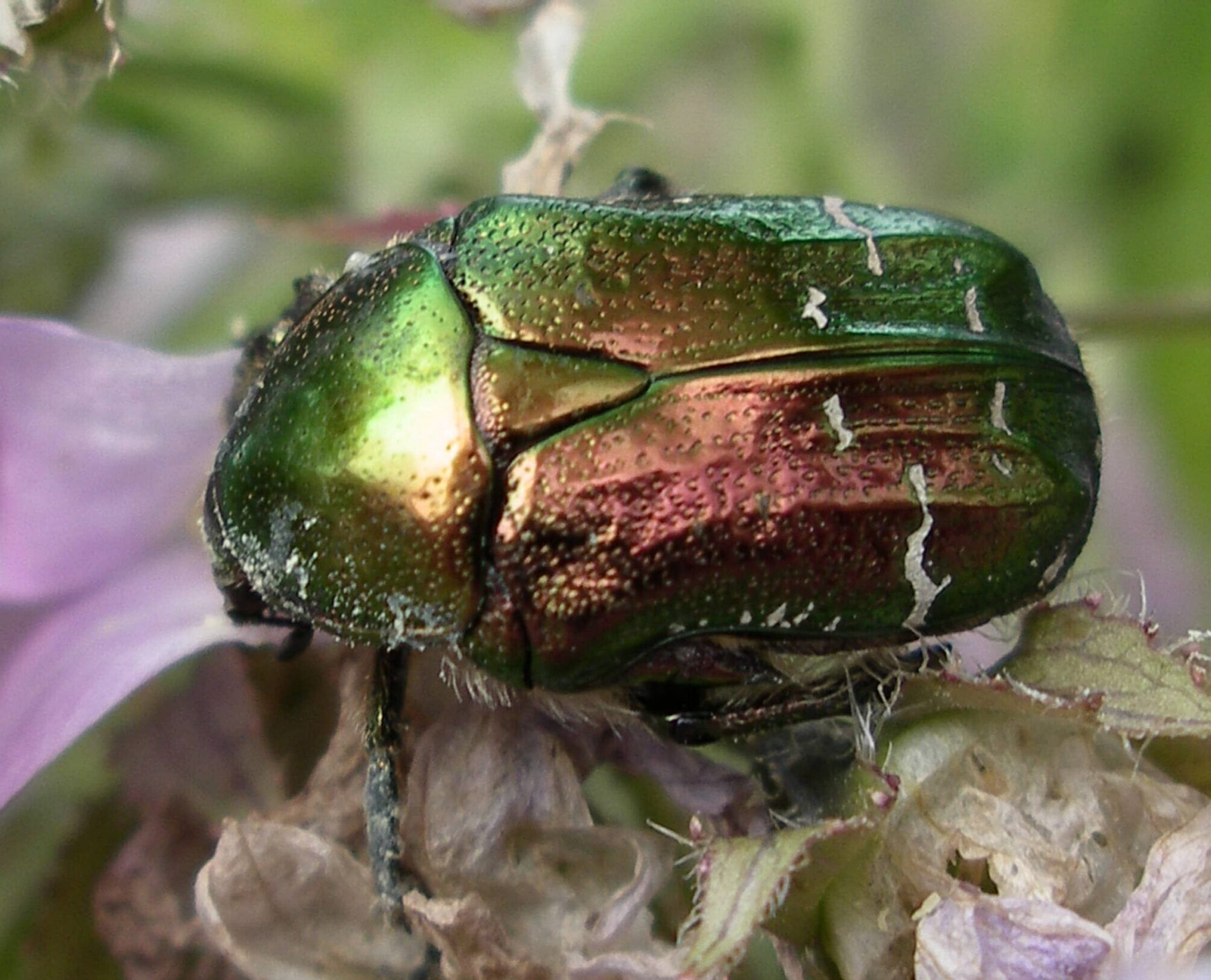
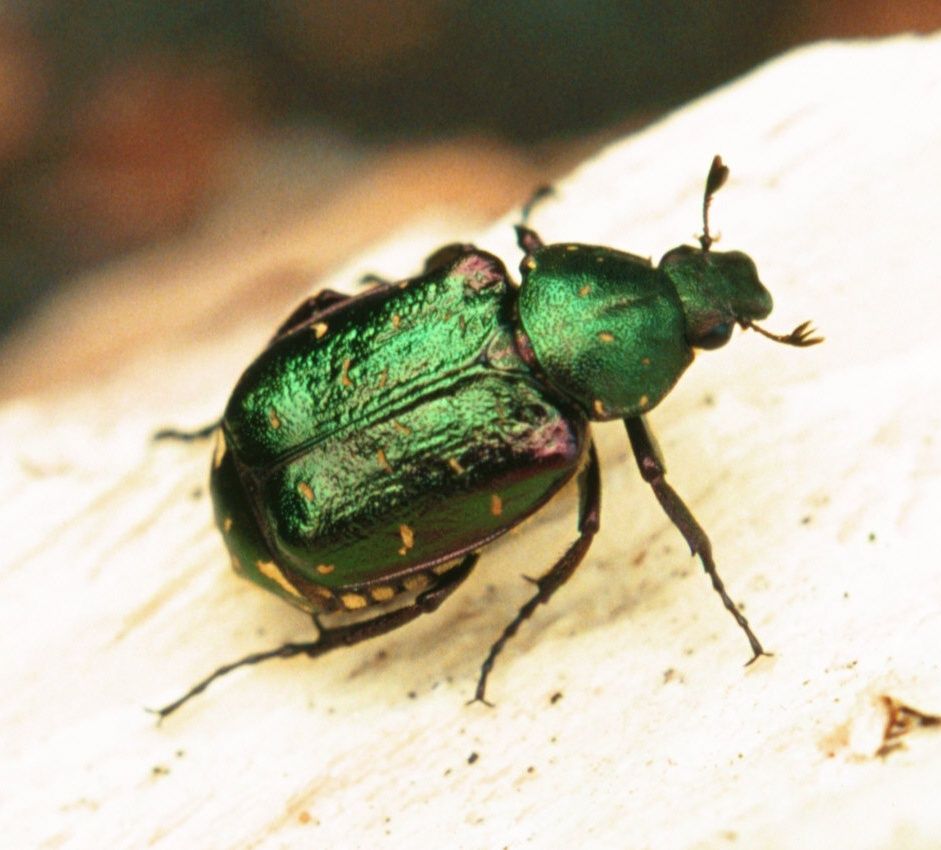
The two species also differ in body shape:
Rose Chafer: streamlined and shield-like in appearance.
Noble Chafer: has a more pronounced “waist” and a head that extends further forward.
Life cycle
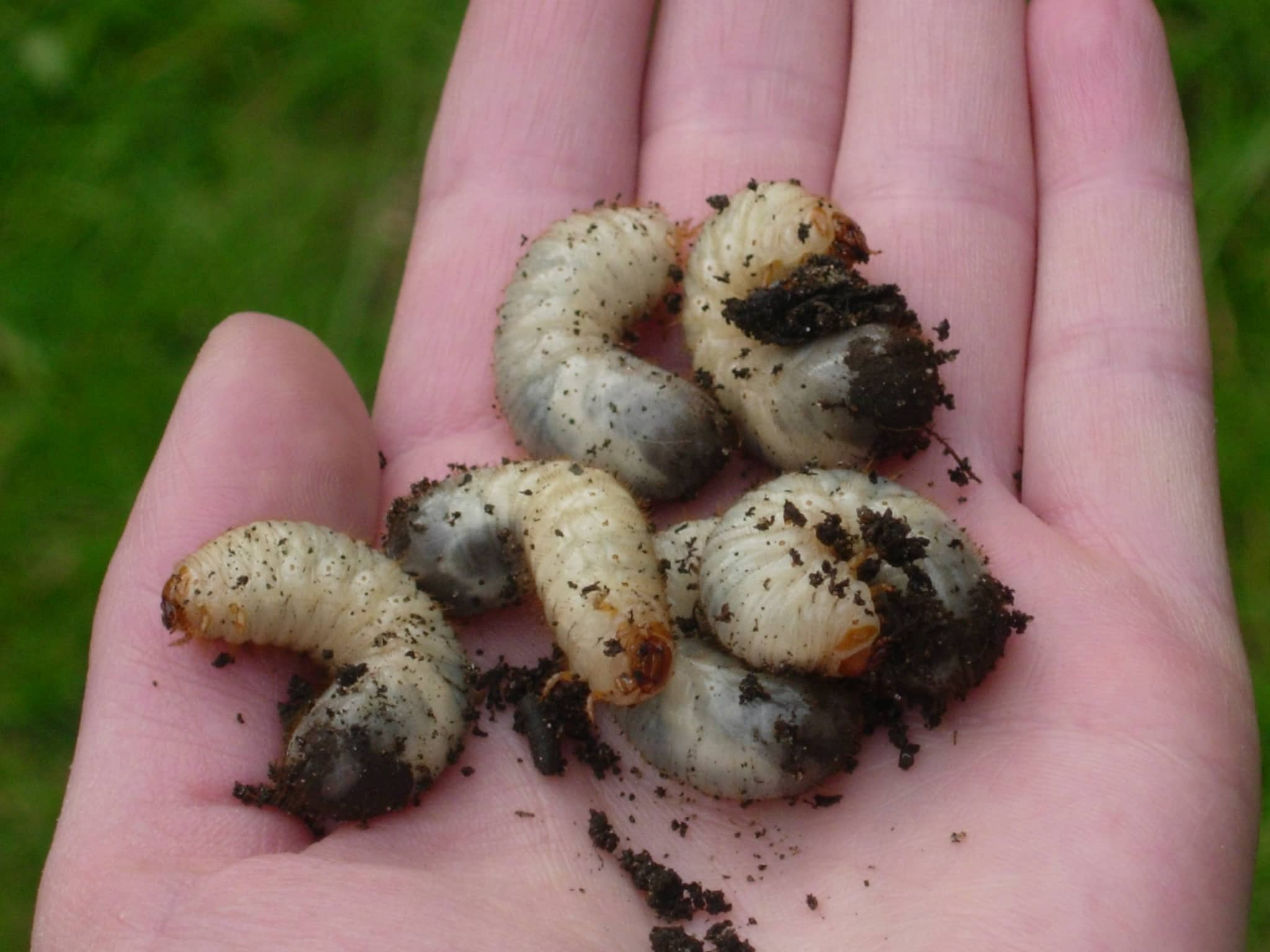
Rose Chafers begin life underground as larvae, where they feed on decomposing vegetation. This stage can last for several years. In autumn, the larvae pupate beneath the soil. They remain hidden underground throughout the winter before emerging as adults the following spring.
Nutrient recycling
Rose Chafers play an important role in maintaining healthy ecosystems. As larvae, they feed on decaying organic matter such as dead leaves and rotting wood. By breaking down this material, they help recycle nutrients back into the soil, improving soil health and supporting plant growth.
Diet
Adult Rose Chafers feed on nectar, pollen, and flowers, with a particular fondness for roses. Their feeding habits also make them valuable pollinators.
Distribution
Rose Chafers are found throughout much of the UK, although they are generally more common in southern regions.
Habitat
You are most likely to spot a Rose Chafer during the summer months in woodland, grassland, hedgerows, gardens and parks. Their love of flowers means they are often seen visiting blooming plants on warm, sunny days.